


 Español
 中文简体
中文简体 عربى
عربىArticle Directory
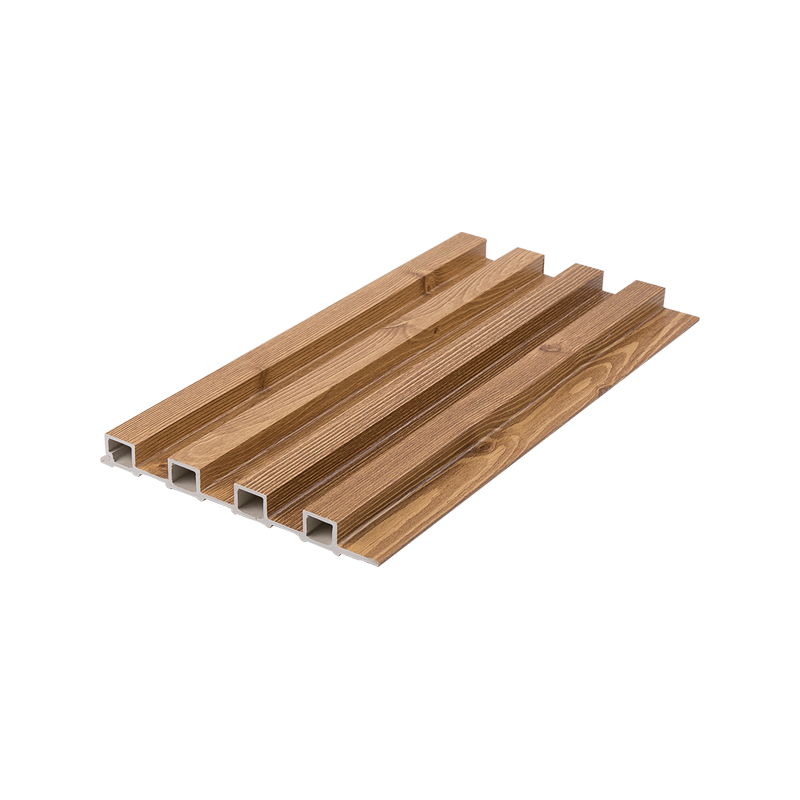
For architects, developers, and B2B procurement managers, selecting exterior materials for coastal environments presents a unique set of engineering challenges. High salinity, constant UV exposure, and extreme humidity levels rapidly accelerate the degradation of traditional building materials. While natural timber has historically been the aesthetic standard, the wpc wall cladding panel (Wood-Plastic Composite) has emerged as a technically superior alternative. Haining Jiazhimeng Integrated Home Co., Ltd., located in Haining City, Zhejiang, brings 17 years of expertise to this field. Since we began developing WPC materials in 2013, we have focused on providing wpc wallboard factory price for bulk orders to our partners in Australia, the Middle East, and beyond, ensuring high-quality composite solutions that withstand the harshest climates.
Material Performance in Saline and High-Humidity Environments
Coastal projects demand materials with low hygroscopicity to prevent swelling and fungal rot. Natural timber, being a porous organic material, absorbs moisture, leading to structural warping and the breakdown of lignin. In contrast, uv resistant wpc wall cladding for coastal areas is engineered with a thermoplastic matrix that encapsulates wood fibers, providing an impermeable shield against moisture. According to the 2024-2025 Global Wood-Plastic Composites Market Report by Grand View Research, the shift toward WPC in coastal infrastructure is driven by its 0.5% or lower water absorption rate, compared to the 15-20% found in treated softwood.
Source: Grand View Research: Wood-Plastic Composites Market Analysis and Segment Forecasts 2024
Comparison: Physical Stability and Weather Resistance
Natural timber requires annual chemical sealing to maintain its integrity against salt spray, whereas low maintenance composite wall cladding panels maintain their structural form without additional treatments. WPC effectively eliminates the risks of splintering and termite infestation that are inherent in natural wood products.
| Technical Property | Natural Timber (Hardwood/Softwood) | WPC Wall Cladding Panel |
| Water Absorption Rate | High (Significant swelling/shrinkage) | Ultra-Low (Dimensionally stable) |
| Salt Spray Resistance | Poor (Surface erosion and rot) | Excellent (Non-reactive composite) |
| Maintenance Needs | Regular sanding, painting, and oiling. | Simple periodic washing only. |
Total Cost of Ownership (TCO) for B2B Projects
While the initial acquisition cost of a high-quality wpc wall cladding panel may be higher than low-grade timber, the Total Cost of Ownership (TCO) over a 10-to-15-year cycle favors the composite material. For large-scale developments, wholesale exterior wpc wall cladding significantly reduces the operational budget by eliminating the labor and material costs of biennial maintenance. Engineering standards set by the ASTM D7032-17 emphasize that for exterior applications, the durability of the composite matrix provides a lifespan often exceeding 25 years in coastal zones, whereas natural timber may require partial replacement within 7 to 10 years due to environmental stress.
Comparison: Long-term Maintenance Expenditure
The cumulative expense of labor and specialized wood preservatives for timber exceeds the initial premium paid for WPC within the first five years of installation. Furthermore, the aesthetic consistency provided by durable wpc fluted wall panel suppliers ensures that the property maintains its value without the "faded" look typical of weathered wood.
| Cost Category (10-Year Period) | Natural Timber Investment | WPC Cladding Investment |
| Initial Installation | $ (Moderate) | $$ (Slightly Higher) |
| Maintenance Labor | High (Annual or Biennial) | Zero (Self-sustaining) |
| Replacement Cost | Potential partial replacement due to rot. | Zero replacement required. |
Technical Innovation and Customization at Jiazhimeng
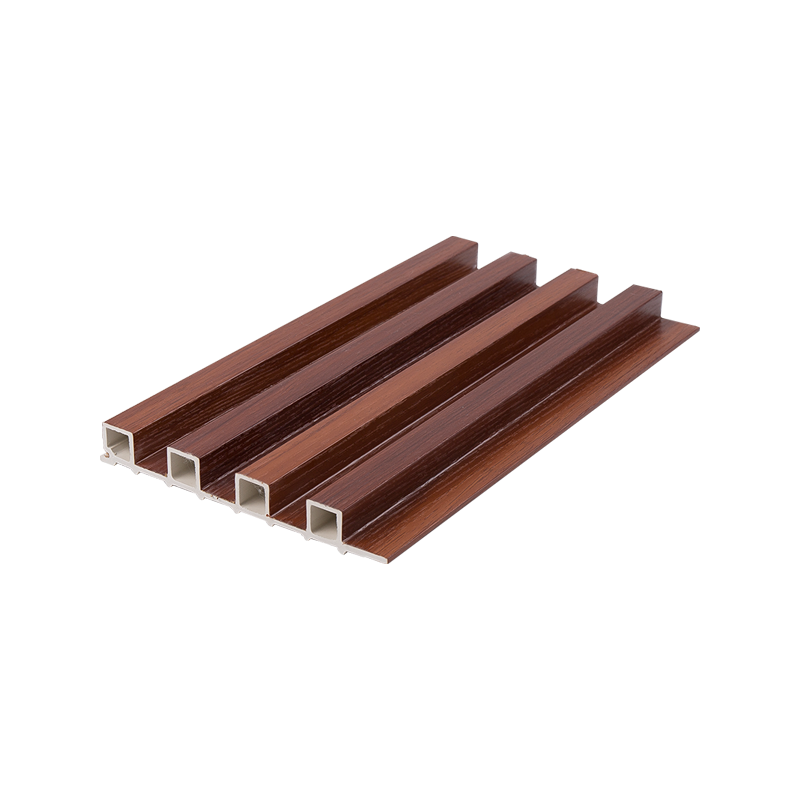
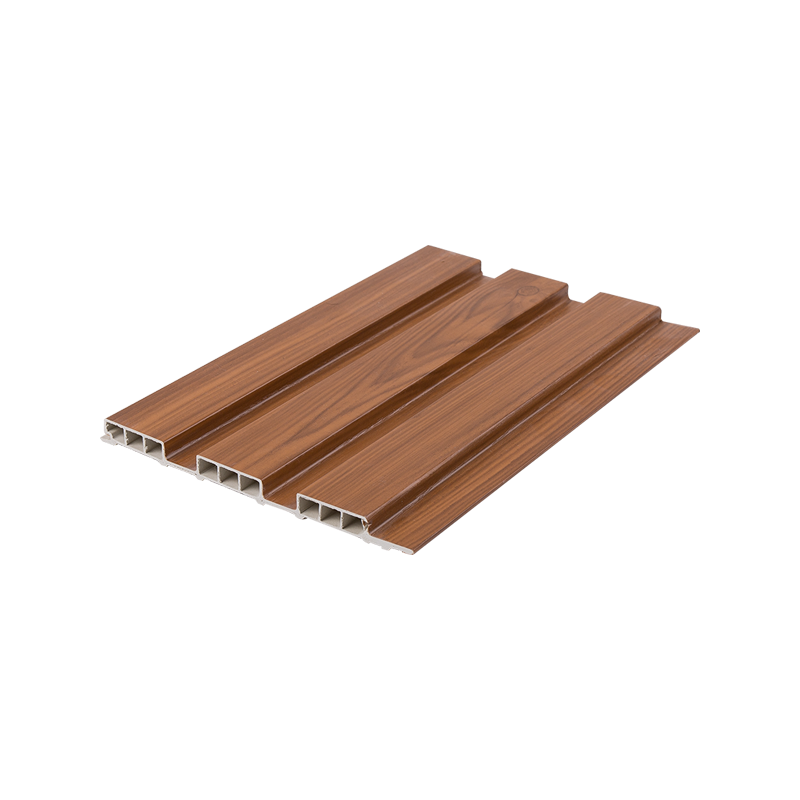
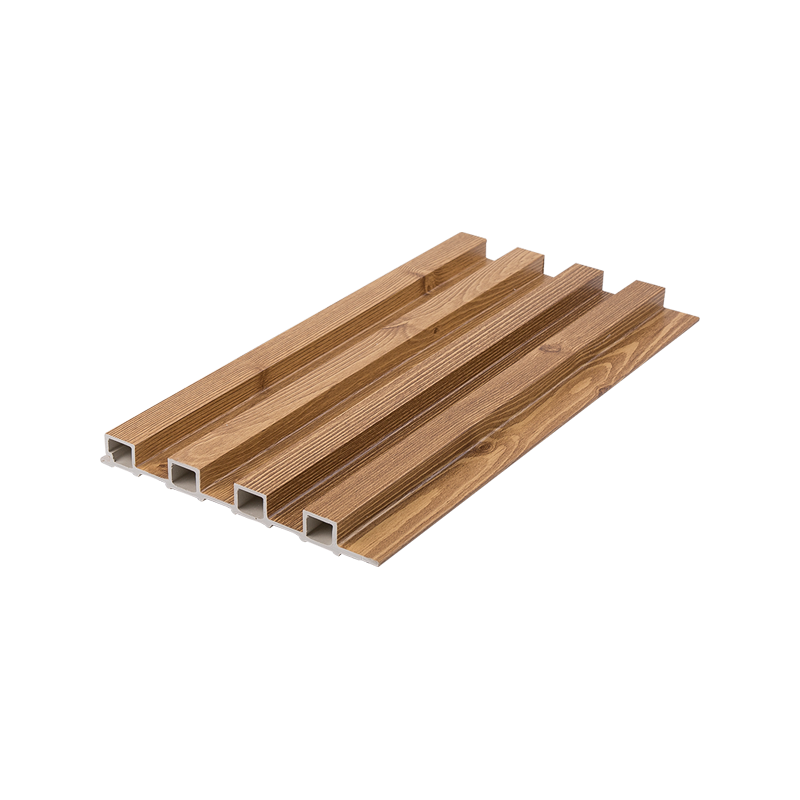
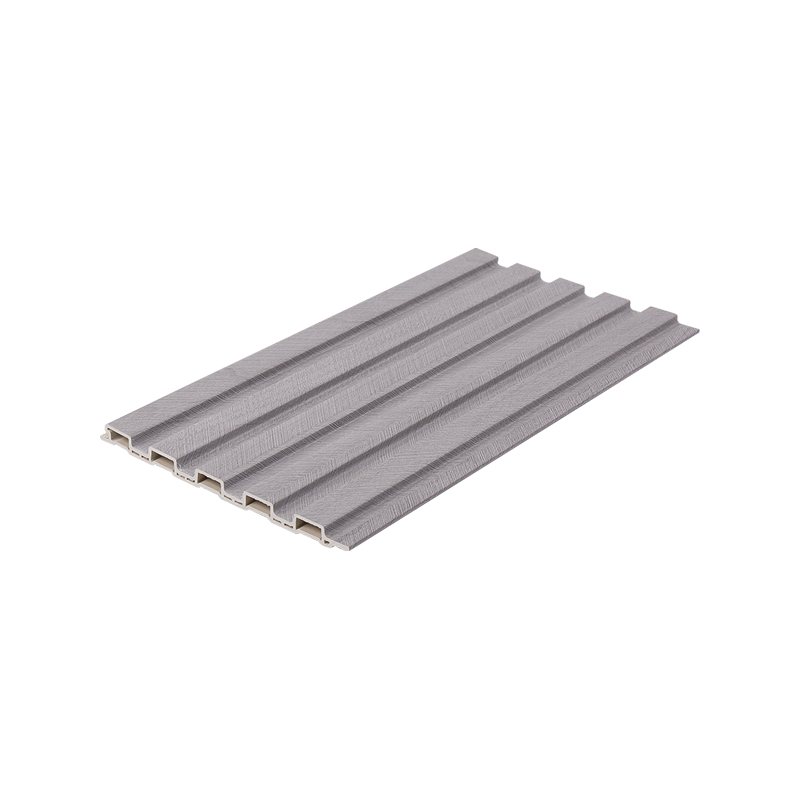
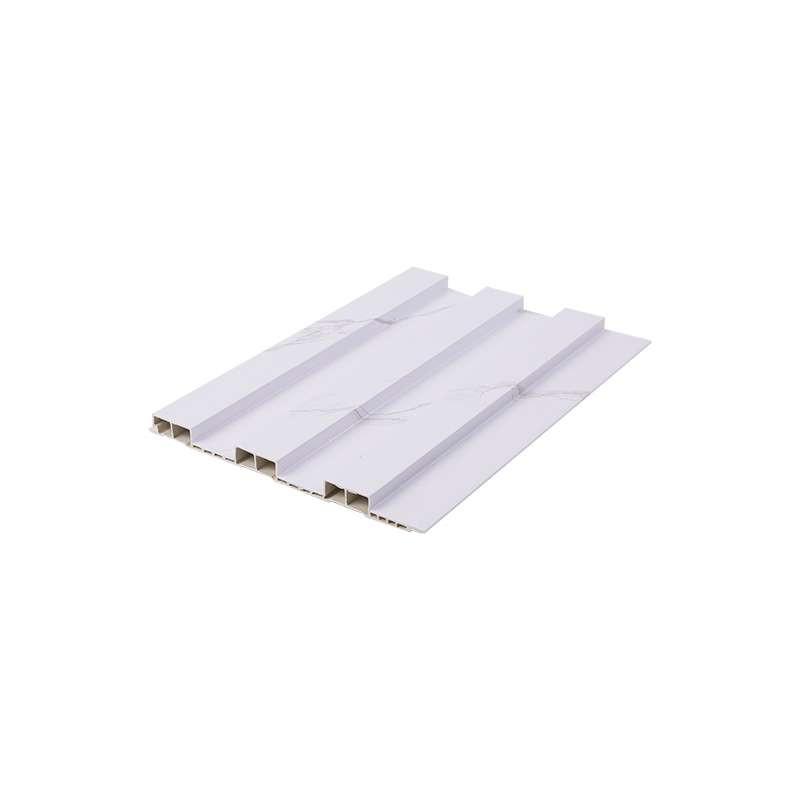
As a leading wpc wallboard factory price for bulk orders provider, Haining Jiazhimeng Integrated Home Co., Ltd. leverages 17 years of wall product experience to offer integrated solutions. Our facility doesn't just produce panels; we provide a complete ecosystem including matching lines and lamp strips, ensuring a "one-stop" procurement experience. Our durable wpc fluted wall panel suppliers capabilities allow us to adjust density and UV inhibitor concentration based on the specific requirements of our partners in the Middle East and Southeast Asia. This technical flexibility ensures that every wpc wall cladding panel we export meets the specific thermal expansion and contraction profiles of the destination's coastal climate.
Frequently Asked Questions (FAQ)
- Does a wpc wall cladding panel fade in the sun? While all materials experience some minor initial settling, our UV-stabilized panels are engineered to resist significant color fading, maintaining their aesthetic for decades in coastal areas.
- Is it difficult to install wholesale exterior wpc wall cladding? Not at all. WPC panels are designed with tongue-and-groove or clip systems that make installation faster and more precise than traditional timber siding.
- How do low maintenance composite wall cladding panels handle high salt air? WPC is non-corrosive and does not react with salt, making it ideal for beachfront properties where salt spray would otherwise peel paint off wood.
- Why should B2B buyers choose wpc wallboard factory price for bulk orders over local sourcing? By working directly with a factory like Jiazhimeng, you gain access to customized R&D, consistent batch quality, and significant cost savings by eliminating middlemen.
- Are these panels environmentally friendly? Yes, our wpc wall cladding panel products utilize recycled wood fibers and plastics, reducing the demand for virgin timber and helping projects achieve green building certifications.

 Tel:
Tel:
 E-mail:

