


 Español
 中文简体
中文简体 عربى
عربىArticle Directory
- 1 The Science of Thermal Expansion in Wood Plastic Composites
- 2 Installation Strategies for Freezing Temperatures
- 3 Material Composition and Frost Resistance
- 4 The Role of Supporting Accessories in Thermal Management
- 5 Conclusion: Engineering for the Cold
- 6 Frequently Asked Questions (FAQ)
- 6.1 1. Does WPC become brittle in freezing temperatures?
- 6.2 2. How to clean wpc wall cladding after snow?
- 6.3 3. Can I use WPC panels for interior walls in unheated cabins?
- 6.4 4. What is the difference between wpc and bamboo wood fiberboard in cold?
- 6.5 5. Is wpc wall cladding fire resistant as well as frost resistant?
- 7 Related Industry References
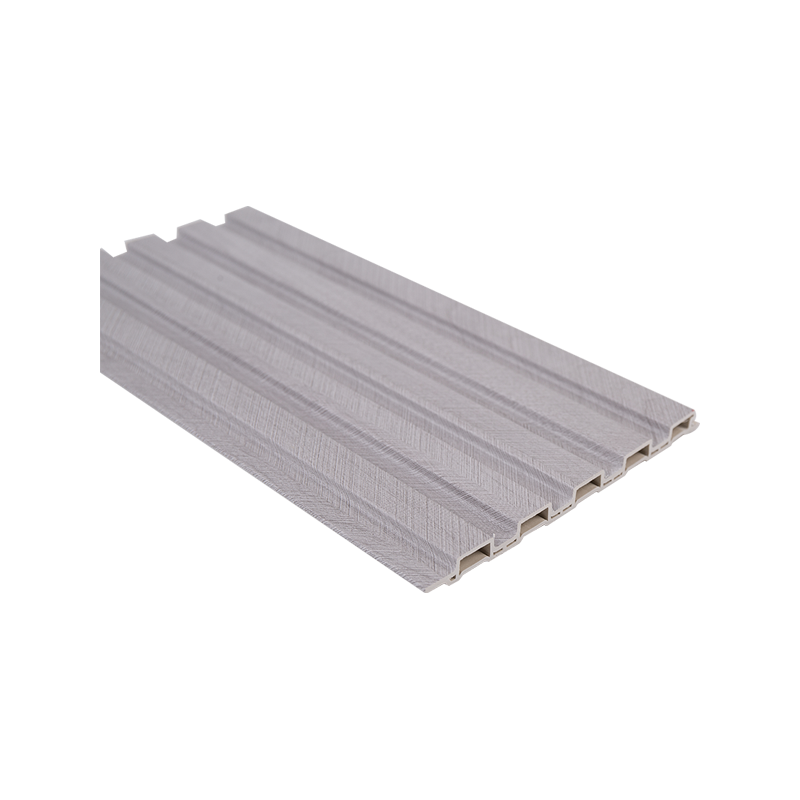
In the field of architectural engineering, managing the dimensional stability of composite materials is a critical factor for long-term structural integrity. For projects located in regions prone to extreme temperature fluctuations, the wpc wall cladding panel must be evaluated not just for its aesthetic appeal, but for its mechanical response to sub-zero environments. Haining Jiazhimeng Integrated Home Co., Ltd., based in Haining City, Zhejiang, has spent over 17 years refining the production of composite materials. Since beginning our dedicated R&D into WPC in 2013, we have prioritized high-quality formulations that withstand the rigors of diverse global climates, from Australia to the Middle East and South America.
The Science of Thermal Expansion in Wood Plastic Composites
Thermal expansion and contraction are inherent properties of all polymers. For a wpc wall cladding panel, the Linear Coefficient of Thermal Expansion (LCTE) is influenced by the ratio of wood fiber to thermoplastic resin. In freezing climates, the polymer matrix tends to contract, while the wood fiber acts as a stabilizing agent to limit this movement. A common technical query among installers is how to prevent wpc wall cladding from warping in winter; the answer lies in understanding the specific LCTE of the board, which typically ranges between 30 to 50 x 10^-6 /K, depending on the HDPE or PVC base used.
Comparison: WPC vs. Traditional Timber Expansion
While natural timber reacts primarily to moisture (hygroscopic expansion), a wpc wall cladding panel reacts more significantly to temperature changes, necessitating a different approach to joint spacing.
| Material Type | Primary Expansion Trigger | Expansion Rate (Thermal) |
| Natural Hardwood | Moisture/Humidity | Low |
| WPC Wall Cladding Panel | Ambient Temperature | Moderate to High |
| Aluminum Cladding | Ambient Temperature | High |
Installation Strategies for Freezing Temperatures
When executing exterior wpc wall cladding installation in cold weather, the ambient temperature at the time of install serves as the baseline for calculating expansion gaps. If the panels are installed during a cold snap, they will expand significantly during the summer months. Conversely, panels installed in summer will contract in winter. Engineers must calculate wpc cladding expansion gap requirements using the formula: ΔL = L × α × ΔT (where L is length, α is the LCTE, and ΔT is the temperature variance).
Recommended Gap Calculations for Extreme Cycles
The gap required at the butt-joints of the panels varies based on the temperature at installation compared to the historical maximum temperature of the region.
| Install Temperature | Typical Gap (per 3m board) | Risk of Incorrect Gapping |
| Freezing (0°C or below) | 8mm - 10mm | Buckling in summer heat |
| Mild (15°C - 20°C) | 4mm - 6mm | Balanced movement |
| Hot (30°C+) | 1mm - 2mm | Excessive gaps in winter |
Material Composition and Frost Resistance
A high-performance wpc wall cladding panel produced by Haining Jiazhimeng Integrated Home Co., Ltd. utilizes a sophisticated blend of bamboo and wood fibers with UV-stabilized polymers. This composition ensures that the material does not become brittle when the temperature drops below freezing. Understanding what is the best wpc wallboard for extreme cold involves looking at the density and the quality of the bonding agents used during the extrusion process, which prevent the "freeze-thaw" cycle from delaminating the internal fibers.
Technical Advantages of Jiazhimeng WPC:
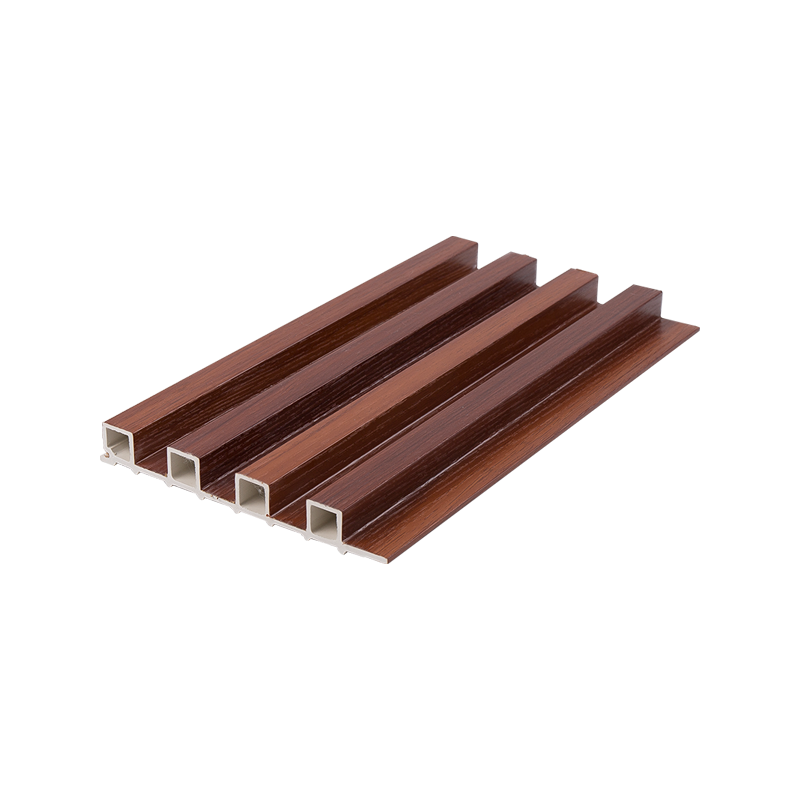
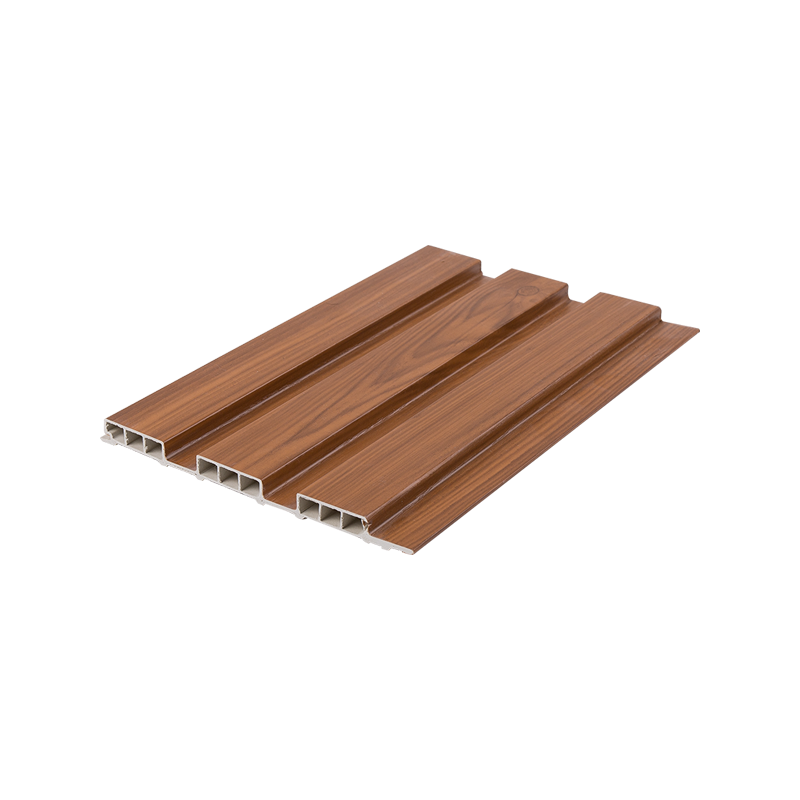
- Internal Voids: Engineered profiles allow for internal thermal dissipation.
- High Density: Reduces the rate of moisture absorption, which is vital to prevent internal ice expansion.
- Co-extrusion Technology: Provides an outer shield that maintains elasticity at lower temperatures.
The Role of Supporting Accessories in Thermal Management
Thermal movement is not limited to the panels themselves; the clips and starter strips must also accommodate movement. One of the benefits of co-extrusion wpc wall cladding is that the outer layer expands at a nearly identical rate to the core, preventing surface cracking. At Haining Jiazhimeng Integrated Home Co., Ltd., we provide a one-stop factory service, including specialized lines and lamp strips designed to move in tandem with our panels, ensuring a worry-free experience for our partners.
Comparison: Hidden Clip Systems vs. Face Fastening
Hidden clips allow for longitudinal movement, whereas face-fastening can restrict the board, leading to stress fractures in freezing climates.
| Fastening Method | Thermal Movement Allowance | Durability in Freezing Zones |
| Stainless Steel Hidden Clips | Excellent (Sliding fit) | High |
| Direct Screwing/Face Fixing | Poor (Fixed points) | Low (Risk of cracking) |
Conclusion: Engineering for the Cold
A wpc wall cladding panel is an exceptional choice for freezing climates, provided that its thermal expansion coefficient is respected during the design and installation phases. With 17 years of experience and advanced production technology, Haining Jiazhimeng Integrated Home Co., Ltd. continues to innovate, providing customized services and high-quality wall products that achieve win-win results for our global partners.
Frequently Asked Questions (FAQ)
1. Does WPC become brittle in freezing temperatures?
High-quality wpc wall cladding panels are engineered with impact modifiers that prevent brittleness. However, cheaper alternatives with high filler-to-polymer ratios may lose impact resistance in extreme cold.
2. How to clean wpc wall cladding after snow?
Use lukewarm water and a mild detergent. Avoid using metal snow shovels or sharp tools to scrape ice off the panels, as this can damage the protective co-extruded layer.
3. Can I use WPC panels for interior walls in unheated cabins?
Yes. The wpc wall cladding panel is ideal for unheated spaces because it is resistant to the moisture fluctuations common in seasonal buildings, provided proper expansion gaps are left at the ceiling and floor lines.
4. What is the difference between wpc and bamboo wood fiberboard in cold?
Bamboo wood fiberboards are often used for interior decoration. For exterior freezing climates, the WPC (Wood Plastic Composite) variant is superior due to its higher polymer content and weather resistance.
5. Is wpc wall cladding fire resistant as well as frost resistant?
Most WPC products are treated with flame retardants to achieve a B1 fire rating, making them safe for both cold-weather durability and high-occupancy fire safety requirements.
Related Industry References
- ASTM D696: Standard Test Method for Coefficient of Linear Thermal Expansion of Plastics.
- ISO 15859: Wood-plastic composites (WPC) — Performance requirements for cladding.
- EN 15534: Composites made from cellulose-based materials and thermoplastics.
- CSI MasterFormat Section 07 46 23: Wood-Plastic Composite Siding.

 Tel:
Tel:
 E-mail:

