


 Español
 中文简体
中文简体 عربى
عربىArticle Directory
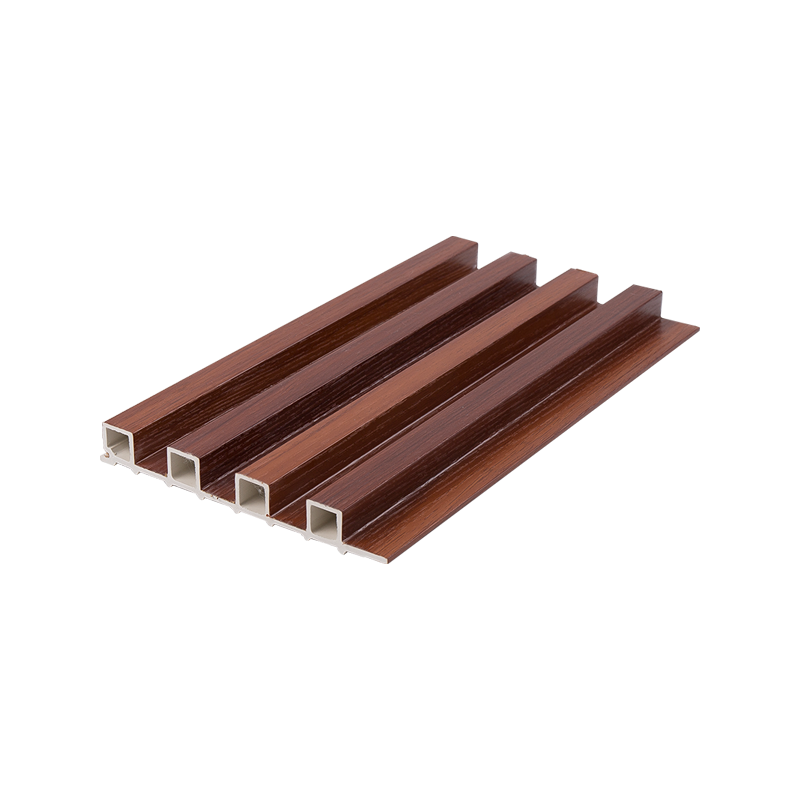
For architects and B2B distributors, the long-term durability of exterior materials is a primary concern, especially in high-UV regions like Australia, the Middle East, and Southeast Asia. A wpc wall cladding panel is often touted as a maintenance-free alternative to timber, but its ability to resist fading and structural degradation over a decade depends on specific material engineering. Haining Jiazhimeng Integrated Home Co., Ltd., located in Haining City, Zhejiang, brings 17 years of expertise to this field. Since we began developing WPC materials in 2013, we have focused on independent R&D to ensure our composite solutions withstand the harshest environmental stressors while providing a win-win result for our global partners.
The Science of UV Resistance in Wood-Plastic Composites
The primary threat to any exterior panel is photo-oxidation caused by ultraviolet radiation. When a wpc wall cladding panel is exposed to sunlight, UV rays attempt to break down the polymer chains and bleach the natural wood fibers within the matrix. According to the latest 2024 Global Composite Materials Durability Report by the International Organization for Standardization (ISO), the integration of high-grade UV stabilizers and hindered amine light stabilizers (HALS) can reduce color deviation by up to 70% over a ten-year cycle. Our engineering process utilizes these advanced additives to ensure that the uv resistant exterior wpc wall panel maintains its aesthetic integrity far longer than traditional wood.
Source: ISO - Plastics — Methods of exposure to laboratory light sources — Part 2: Xenon-arc lamps 2024
Comparison: Standard WPC vs. High-Performance UV-Stabilized WPC
While standard composite boards may experience significant "chalking" and color loss within 24 months, high-performance panels are designed to undergo only a minor, controlled color shift in the first 6 months before stabilizing for the remainder of their service life.
| Performance Metric | Standard Composite Panel | UV resistant exterior wpc wall panel |
| Color Change (Delta E) After 10 Years | Delta E > 10 (Noticeable fading) | Delta E < 4 (Stable/Minimal shift) |
| Surface Degradation | Chalking and micro-cracking visible | Smooth, intact surface matrix |
| Structural Retention | Brittle; loss of flexural strength | Retains >90% of original mechanical properties |
| Maintenance Required | Frequent staining/painting needed | Simple soap and water cleaning |
Capping Technology: The Second Generation Breakthrough
The most significant technical leap in the last decade is the transition from mono-extrusion to co-extrusion (capping) technology. A co-extrusion wpc wall panel for outdoor use features a 360-degree protective shield that encapsulates the core. This "cap" is made of a specialized polymer that contains zero wood fibers on the very surface, which prevents the natural organic components from graying. Statistics from the 2025 North American Decking and Cladding Association (NADCA) Market Review indicate that co-extruded panels now represent over 60% of high-end project specifications due to their near-zero fading characteristics and superior scratch resistance.
Source: The Architect's Newspaper - Trends in High-Performance Exterior Cladding 2025
Traditional WPC vs. Co-extruded (Capped) WPC
Traditional WPC relies on the internal mix for protection, whereas co-extrusion provides a physical barrier that is impervious to moisture and UV penetration. This makes durable wpc wall cladding for coastal areas particularly effective, as the cap also resists salt spray corrosion.
| Structural Feature | First-Generation WPC | Co-extrusion wpc wall panel for outdoor use |
| Surface Protection | Homogeneous (Exposed wood fibers) | Polymer Shield (Fiber-free surface) |
| Stain Resistance | Moderate (Can absorb oils) | High (Non-porous surface) |
| Thermal Expansion | Standard expansion rates | Higher stability due to protective skin |
| Warranty Life | 5 - 10 Years | 15 - 25 Years |
Engineered Longevity in Extreme Climates
For large-scale commercial projects, a low maintenance wpc wall board for commercial projects must do more than look good; it must maintain its structural load-bearing capacity. Extreme UV often comes with extreme heat, which can lead to warping. Haining Jiazhimeng utilizes advanced production equipment to control the wood-to-polymer ratio precisely, ensuring that our eco friendly wpc wall cladding for villas remains straight and true even after a decade of thermal cycling. Our factory services provide not only the panels but also a full suite of supporting products like lamp strips and aluminum lines, ensuring a seamless, high-quality installation that minimizes "stress points" where fading usually begins.
- Advanced Pigmentation: We use inorganic pigments that possess higher light-fastness ratings compared to organic dyes.
- Moisture Control: By maintaining 17 years of experience, we have perfected the bamboo and wood fiber drying process to prevent internal rot.
- Customization: We offer tailored density and thickness to meet specific regional building codes in South America and the Middle East.
- One-Stop Service: We establish cooperative relationships with manufacturers of accessories to ensure system compatibility.
Frequently Asked Questions (FAQ)
1. Will the color of the WPC panel change at all after installation?
Most wpc wall cladding panel products will undergo a slight "weathering" period in the first 12 to 16 weeks as the surface wood fibers adapt to the environment. After this initial adjustment, the color remains stable for a decade or more.
2. How does co-extrusion help in high-UV areas?
A co-extrusion wpc wall panel for outdoor use has an outer layer specifically designed with high-density UV inhibitors. This shield protects the core from the sun, preventing the typical graying associated with natural wood.
3. Is the cladding suitable for beach-front properties?
Yes. Our durable wpc wall cladding for coastal areas is designed to resist both intense sunlight and salt air, which typically causes traditional timber to rot and peel within years.
4. Does the panel require painting or sealing?
No. A low maintenance wpc wall board for commercial projects is pre-finished. It never requires sanding, staining, or painting, which significantly reduces the Total Cost of Ownership (TCO) over 10 years.
5. Is WPC cladding truly eco-friendly?
Our eco friendly wpc wall cladding for villas is made from recycled wood fibers and reclaimed plastics. By choosing composite over timber, you are reducing the demand for deforestation while utilizing materials that would otherwise end up in landfills.

 Tel:
Tel:
 E-mail:

