


 Español
 中文简体
中文简体 عربى
عربىArticle Directory
- 1 The Structural Composition: Bamboo Fiber vs. WPC
- 2 Thermal Insulation Performance in High-Temperature Zones
- 3 Moisture Resistance and Hydrophobic Properties
- 4 Installation Efficiency for B2B Wholesale and Contractors
- 5 Conclusion: The Superior Choice for Coastal Environments
- 6 Frequently Asked Questions (FAQ)
- 7 Industry References
Coastal environments present unique challenges for interior decoration materials, characterized by high salt spray, fluctuating humidity, and intense solar radiation. For engineers and B2B procurement specialists, selecting between a bamboo wood fiber wall board and standard Wood-Plastic Composite (WPC) requires a deep understanding of material science. Haining Jiazhimeng Integrated Home Co., Ltd., based in Zhejiang, China, has spent over 17 years refining these composite materials. With independent R&D capabilities established since 2006, we provide high-performance wall solutions tailored for the demanding climates of Southeast Asia, Australia, and the Middle East.
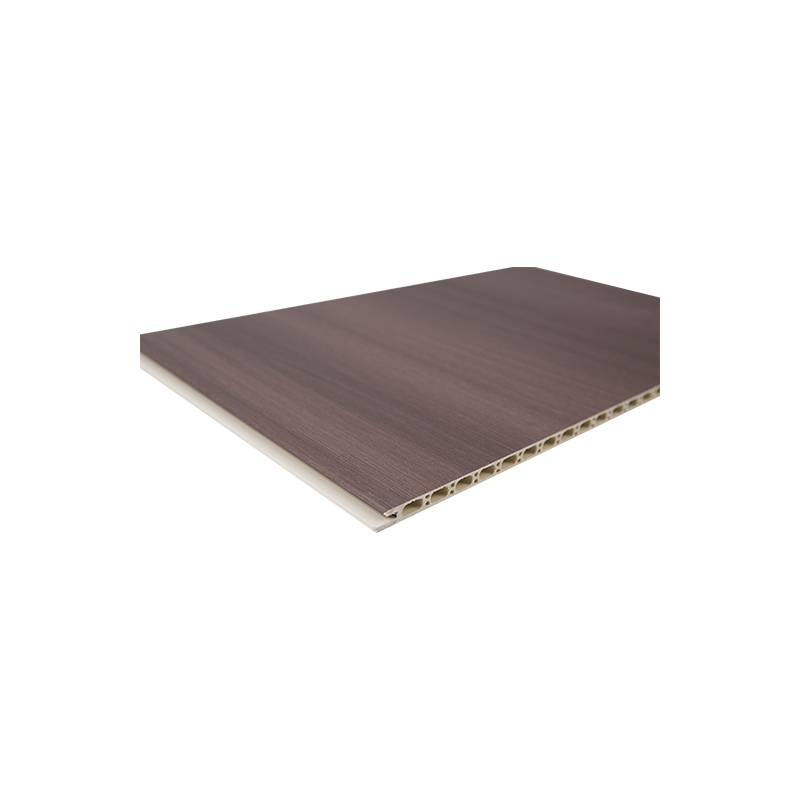
The Structural Composition: Bamboo Fiber vs. WPC
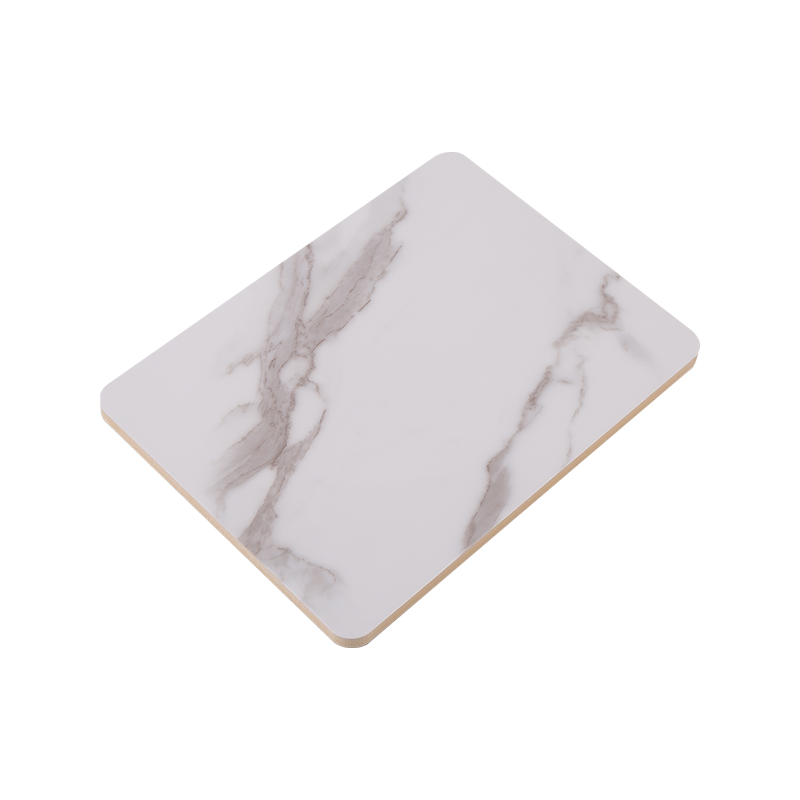
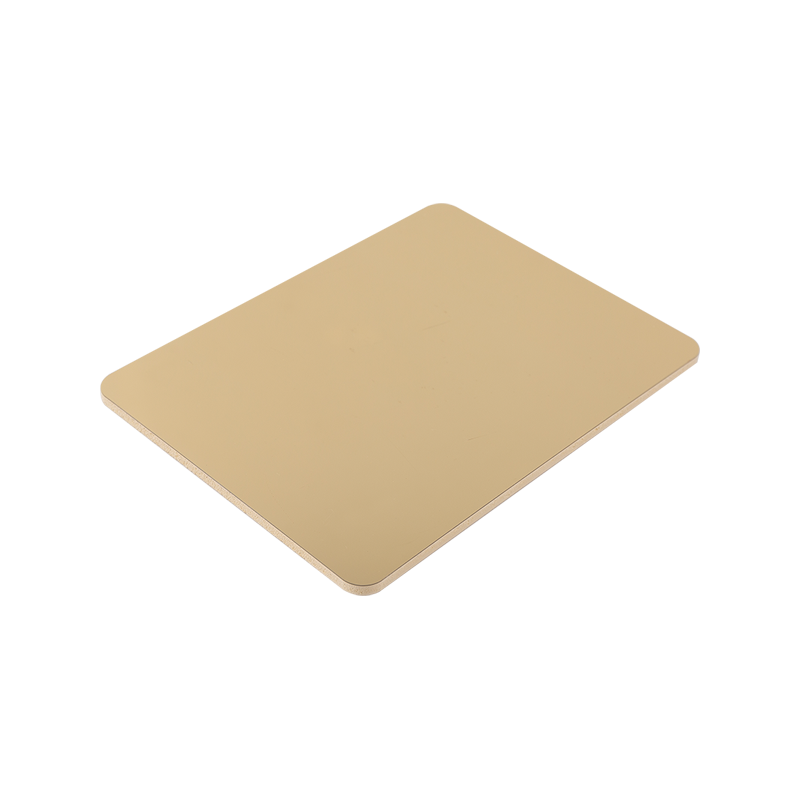
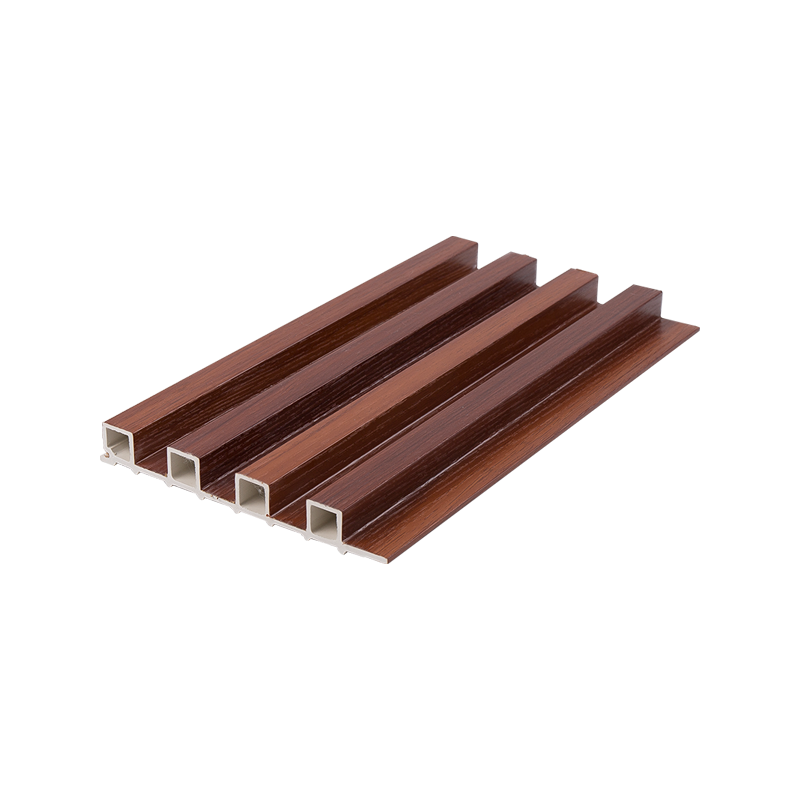
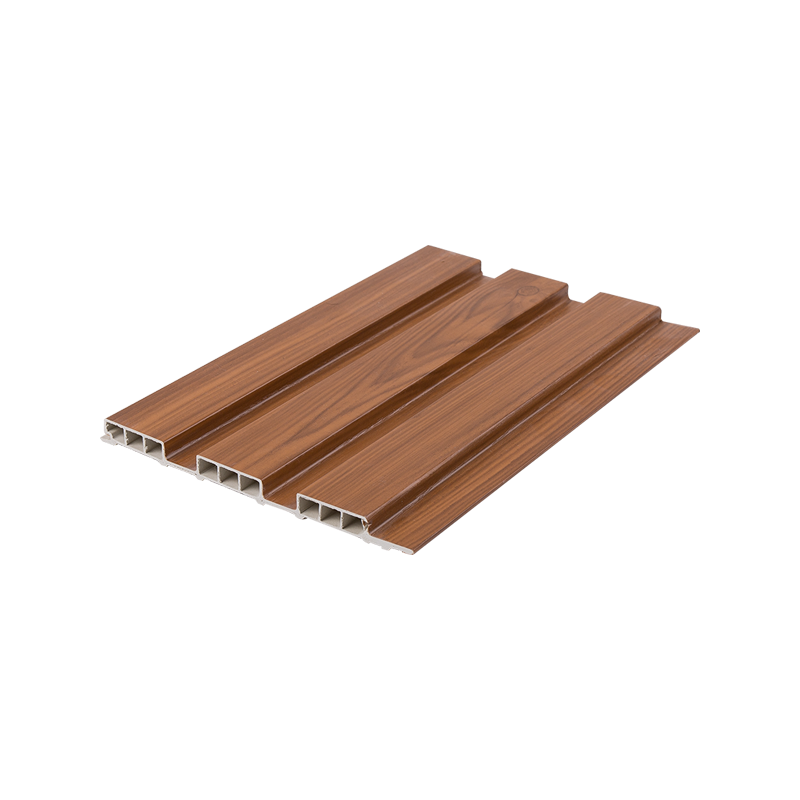
While both materials are composites, their internal matrices differ significantly. WPC typically utilizes secondary wood flour and recycled plastics, whereas interior bamboo wood composite board leverages the natural tensile strength and porosity of bamboo fibers. Bamboo fibers are inherently more resilient and possess a unique cellular structure that influences how the board interacts with thermal energy and water vapor.
Comparison of Material Density and Porosity
Bamboo-based composites often feature a more refined microscopic pore structure compared to standard WPC, which directly affects their weight-to-strength ratio and acoustic properties.
| Feature | Standard WPC Wallboard | Bamboo Wood Fiber Wall Board |
| Primary Reinforcement | Wood Flour/Sawdust | Natural Bamboo Fiber |
| Polymer Base | PVC/PE/PP | High-Density Polymer Resin |
| Specific Gravity | Approx. 0.9 - 1.1 g/cm³ | Approx. 0.8 - 1.0 g/cm³ |
| Eco-Certification | Varies | eco friendly bamboo charcoal wall panel (low VOC) |
Thermal Insulation Performance in High-Temperature Zones
In coastal regions, maintaining stable indoor temperatures is vital for energy efficiency. The thermal conductivity of waterproof bamboo fiber wall cladding is generally lower than that of pure plastic or heavy timber. This is due to the hollow tubular structure of bamboo fibers, which creates microscopic air pockets that act as natural insulators, reducing the thermal transfer rate between the exterior wall and the interior living space.
- Thermal Conductivity: Bamboo fiber boards typically exhibit a lower K-value than solid WPC.
- Dimensional Stability: Under intense heat, bamboo fiber composites show less linear expansion than high-plastic-content WPC.
- Energy Saving: Superior insulation reduces the HVAC load in tropical coastal buildings.
Moisture Resistance and Hydrophobic Properties
Coastal projects face constant "vapor drive" where moisture seeks to penetrate the wall assembly. While WPC is naturally water-resistant due to its plastic content, high density bamboo fiber wall planking is often engineered with advanced coupling agents that bond the fibers to the resin at a molecular level. This prevents the "swelling" often seen in low-quality wood-based composites when exposed to 90%+ humidity environments.
Moisture Absorption Rates and Resistance to Decay
WPC is highly resistant to water but can be prone to surface mold if the wood flour content is not fully encapsulated; conversely, bamboo fiber boards treated with antimicrobial resins offer enhanced bio-resistance.
| Metric | WPC Wallboard | Bamboo Wood Fiber Board |
| 24-Hour Water Absorption | < 1.5% | < 0.8% (with sealing technology) |
| Mold Resistance | High (Resin dependent) | Excellent (Natural anti-fungal properties) |
| Salt Spray Tolerance | High | Superior (Resistant to chloride corrosion) |
Installation Efficiency for B2B Wholesale and Contractors
For large-scale developments, the ease of installation is a major cost driver. Utilizing a quick install bamboo wood fiber board system allows for rapid project turnover. At Haining Jiazhimeng Integrated Home Co., Ltd., we provide factory-integrated services, including supporting lines and lamp strips, ensuring that contractors can procure a complete wall system in one place. Our 17 years of experience ensure that every tongue-and-groove joint is precision-engineered for a seamless, moisture-tight fit.
Mechanical Fastening and Structural Integrity
The screw-holding power of bamboo fiber is superior to that of standard wood-flour WPC, which is a critical factor for coastal projects subject to high wind loads or structural vibrations.
Conclusion: The Superior Choice for Coastal Environments
While WPC remains a versatile material, bamboo wood fiber wall board offers superior thermal insulation and more consistent moisture resistance for luxury coastal interiors. By integrating scientific R&D with advanced production technology, Haining Jiazhimeng continues to innovate within the field of interior decoration, providing our global partners with customized, win-win solutions.
Frequently Asked Questions (FAQ)
- Q1: Is bamboo wood fiber wall board truly waterproof?
A: Yes. Through the high-pressure extrusion of bamboo fibers and polymer resins, the board becomes a non-porous composite that prevents water penetration, making it ideal for humid coastal climates. - Q2: How does the thermal insulation compare to traditional drywall?
A: Bamboo fiber boards offer significantly better thermal resistance (R-value) than standard gypsum drywall, helping to maintain cooler indoor temperatures in summer. - Q3: Can these boards be used for exterior cladding?
A: While we specialize in interior decoration materials, specifically treated versions can be used; however, we primarily recommend them for high-end interior wall and ceiling applications. - Q4: Are the materials environmentally friendly?
A: Absolutely. Our eco friendly bamboo charcoal wall panel options utilize fast-growing bamboo and recycled polymers, complying with low formaldehyde emission standards. - Q5: Do you provide supporting accessories like trim and LED channels?
A: Yes, as a factory enterprise, we provide a "one-stop" service including all necessary aluminum lines, lamp strips, and supporting decorative profiles.
Industry References
- ASTM D7031: Standard Guide for Evaluating Mechanical and Physical Properties of Wood-Plastic Composite Products.
- ISO 22196: Measurement of antibacterial activity on plastics and other non-porous surfaces.
- Journal of Composite Materials: Study on the Thermal Conductivity of Bamboo-Fiber Reinforced Polymeric Composites.
- Forest Products Laboratory: Research on moisture-related dimensional stability in natural fiber composites.

 Tel:
Tel:
 E-mail:

