


 Español
 中文简体
中文简体 عربى
عربىArticle Directory
- 1 Decoding the Chemical Composition of bamboo wood fiber wall board
- 2 Performance Metrics for B2B Procurement: Fire Safety and Moisture Resistance
- 3 Manufacturing Excellence: Why Partner with wholesale bamboo wood fiber wall board manufacturers?
- 4 Practical Application: bamboo wood fiber wall board installation guide for Contractors
- 5 Conclusion: The Role of Composites in 2026 Sustainable Interior Design
- 6 Frequently Asked Questions (FAQ)
As the global construction industry shifts toward circular economy principles, the demand for high-performance composite materials has surged. bamboo wood fiber wall board has emerged as a frontrunner in sustainable interior design, often marketed as a formaldehyde-free alternative to traditional timber products. For engineers, architects, and B2B wholesalers, understanding the molecular stability and safety protocols of these boards is essential for long-term project viability. Haining Jiazhimeng Integrated Home Co., Ltd., with 17 years of specialized experience since 2006, stands at the forefront of this R&D evolution in Haining City, China.
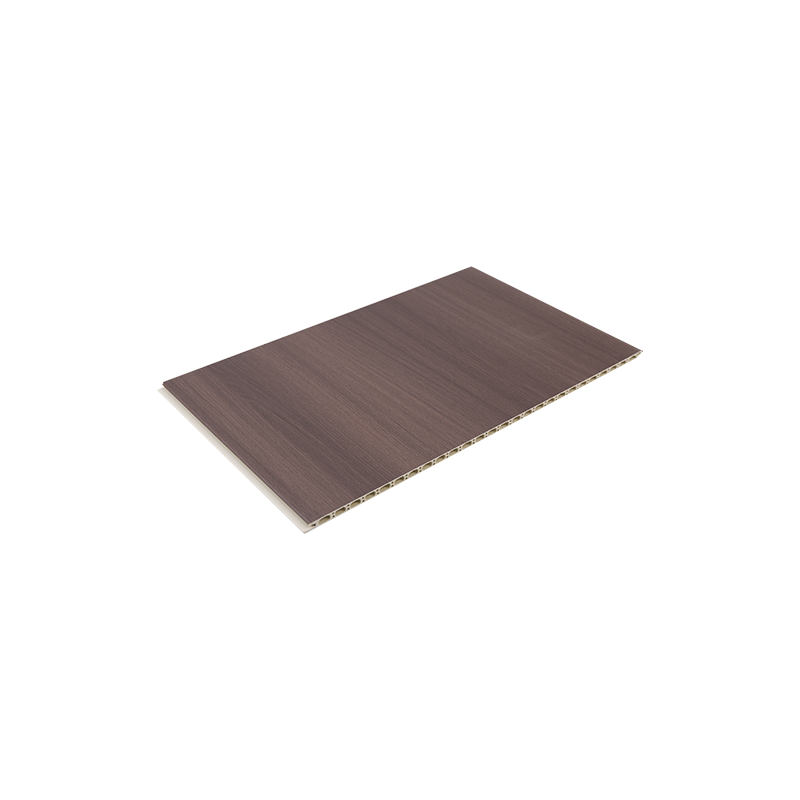
Decoding the Chemical Composition of bamboo wood fiber wall board
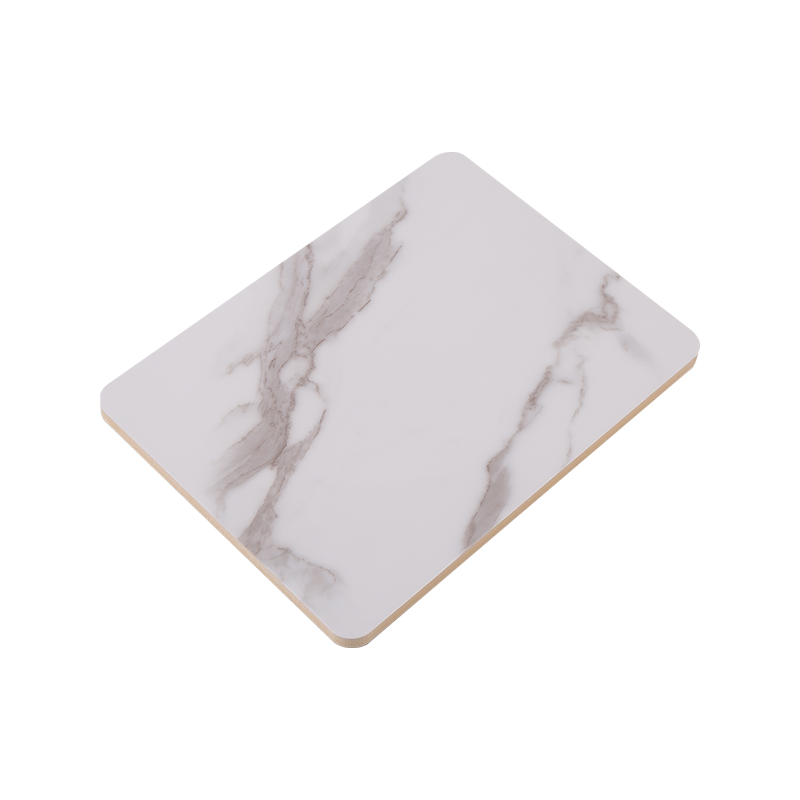
The core of this material consists of bamboo powder, wood flour, and high-molecular-weight polymers, fused through high-temperature extrusion. Unlike traditional particleboards that rely heavily on urea-formaldehyde resins, professional-grade eco friendly bamboo wood fiber wall board utilizes thermoplastic resins which act as a physical binder rather than a chemical adhesive. This significantly reduces the potential for Volatile Organic Compound (VOC) off-gassing.
Is it Truly Formaldehyde-Free? Understanding the Resin Bonding Process
While no organic material is 100% free of trace natural aldehydes, the extrusion process used by leading wholesale bamboo wood fiber wall board manufacturers ensures that the final product meets the strictest global standards. According to the 2024 updates to the European E0 and EN 13986 standards, composite wood products must demonstrate emission levels below 0.124 mg/m3 to be considered safe for unrestricted indoor use.
Source: CEN - European Committee for Standardization: Construction Products EN 13986
Comparing eco friendly bamboo wood fiber wall board with Traditional MDF/Plywood
In terms of chemical safety, eco friendly bamboo wood fiber wall board offers a superior VOC profile compared to Medium Density Fiberboard (MDF) because it eliminates the liquid glues that typically degrade over time. While MDF is prone to swelling and off-gassing in humid conditions, bamboo fiber composites remain inert.
| Feature | Traditional MDF/Plywood | Eco-Friendly Bamboo Wood Fiber Board |
| Primary Adhesive | Urea-Formaldehyde / Phenolic Glue | Thermoplastic Resin (Polymer) |
| VOC Emission Level | Moderate to High (E1/E2 Grade) | Ultra-Low (E0 / EN Standards) |
| Recyclability | Low (Due to chemical glues) | High (Can be reground and re-extruded) |
Performance Metrics for B2B Procurement: Fire Safety and Moisture Resistance
For large-scale projects in Southeast Asia, the Middle East, and Australia, material safety goes beyond toxicity to include structural fire performance and environmental durability.
Analyzing the bamboo wood fiber wall board fire rating Standards
A critical technical specification is the bamboo wood fiber wall board fire rating. Professional-grade boards are engineered to meet Class B1 flame retardancy, meaning they are difficult to ignite and self-extinguish when the heat source is removed. Recent 2025 market statistics from the International Code Council (ICC) indicate that fire-rated composite wall coverings have seen a 12% increase in adoption within commercial hospitality sectors due to updated safety regulations.
Source: ICC International Building Code 2024-2025 Edition
Resilience in High-Humidity Environments: waterproof bamboo wood fiber wall board Features
Moisture absorption is the primary cause of failure in wall systems. A waterproof bamboo wood fiber wall board maintains an absorption rate of less than 0.5%, far outperforming wood veneers or gypsum boards. This makes it an ideal solution for bathrooms, kitchens, and tropical climates where mold growth is a constant threat.
Manufacturing Excellence: Why Partner with wholesale bamboo wood fiber wall board manufacturers?
Choosing the right partner is vital for quality assurance. Haining Jiazhimeng Integrated Home Co., Ltd. provides comprehensive factory services, integrating R&D with 17 years of experience in the interior decoration field. Since our expansion into WPC materials in 2013, we have perfected the balance of durability and aesthetic appeal. By working with wholesale bamboo wood fiber wall board manufacturers, B2B clients gain access to customized services and a full ecosystem of supporting products, including matching lines and LED lamp strips.
Practical Application: bamboo wood fiber wall board installation guide for Contractors
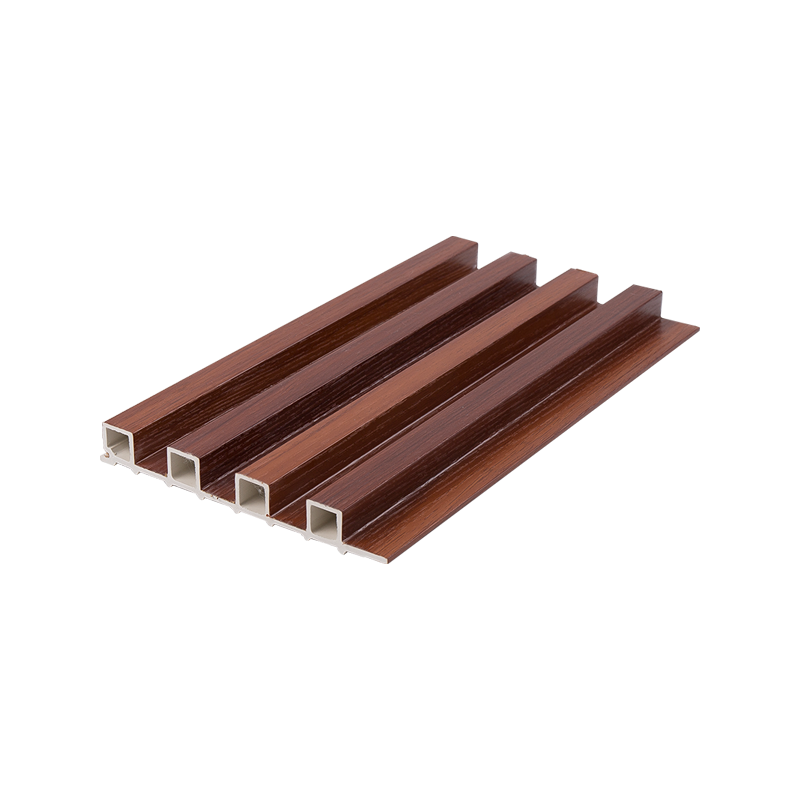
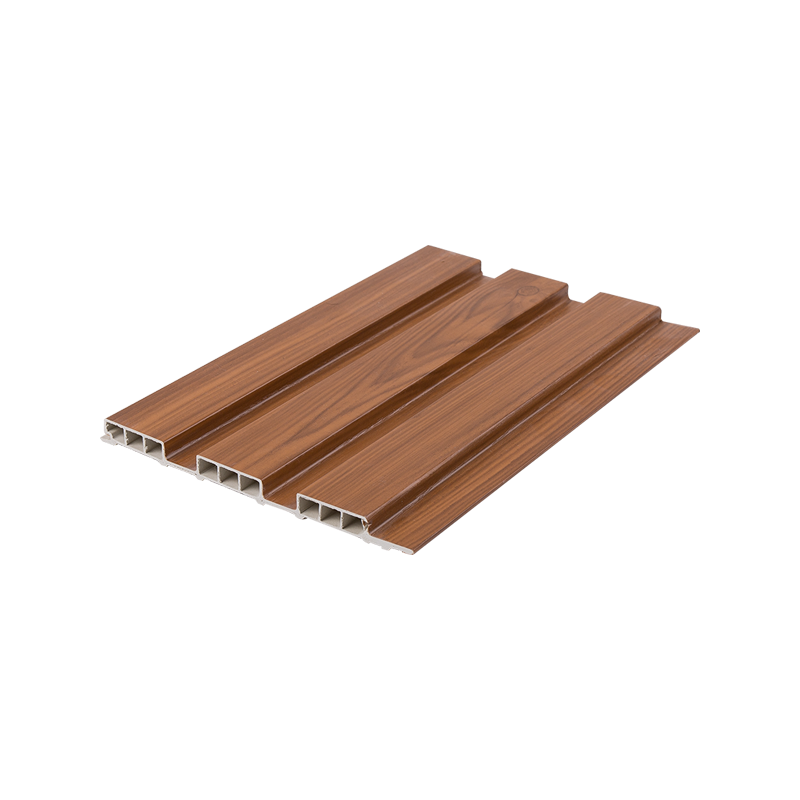
Proper installation ensures the material's longevity. This bamboo wood fiber wall board installation guide highlights the importance of the tongue-and-groove system, which allows for rapid assembly without exposed fasteners. Unlike stone or ceramic tiles, these boards can be cut with standard woodworking tools, reducing labor costs by up to 40%.
Conclusion: The Role of Composites in 2026 Sustainable Interior Design
The evidence confirms that high-quality bamboo wood fiber wall board is safe, formaldehyde-free, and technically superior to many traditional materials. As we move through 2026, the convergence of aesthetic versatility and environmental responsibility will define the future of the industry. Haining Jiazhimeng remains committed to providing the global market with innovative, win-win solutions that prioritize both human health and planetary sustainability.
Frequently Asked Questions (FAQ)
- Does bamboo wood fiber wall board release harmful smells after installation? No. High-quality boards produced with polymer resins do not have the pungent odor associated with traditional paint or glue-heavy boards, allowing for immediate occupancy.
- What is the typical bamboo wood fiber wall board fire rating for commercial use? Most export-grade boards achieve a B1 rating under GB 8624-2012 or equivalent international standards, making them suitable for hotels and office buildings.
- Can waterproof bamboo wood fiber wall board be used in outdoor settings? While highly moisture-resistant, these specific boards are designed for interior use. For outdoor applications, specialized co-extruded WPC products are recommended.
- Why should I source from wholesale bamboo wood fiber wall board manufacturers in China? Manufacturers like Haining Jiazhimeng offer 17 years of technical expertise, advanced extrusion technology, and one-stop sourcing for all installation accessories.
- Is the bamboo wood fiber wall board installation guide complex for DIY? The tongue-and-groove design is very user-friendly, making it accessible for DIY enthusiasts, though professional contractors are recommended for large-scale commercial layouts to ensure perfect leveling.

 Tel:
Tel:
 E-mail:

