


 Español
 中文简体
中文简体 عربى
عربىArticle Directory
- 1 Advanced Composite Composition and Structural Integrity
- 2 Environmental Impact and VOC Emission Standards
- 3 Lifecycle Assessment and Recyclability
- 4 FAQ
- 4.1 Are WPC wall panels 100% waterproof for bathroom use?
- 4.2 Do pvc wpc wall panels fade when exposed to sunlight?
- 4.3 How does the installation of WPC panels compare to traditional drywall?
- 4.4 What is the typical lifespan of an interior WPC wall panel?
- 4.5 Are these panels resistant to mold and mildew?
- 5 Technical References
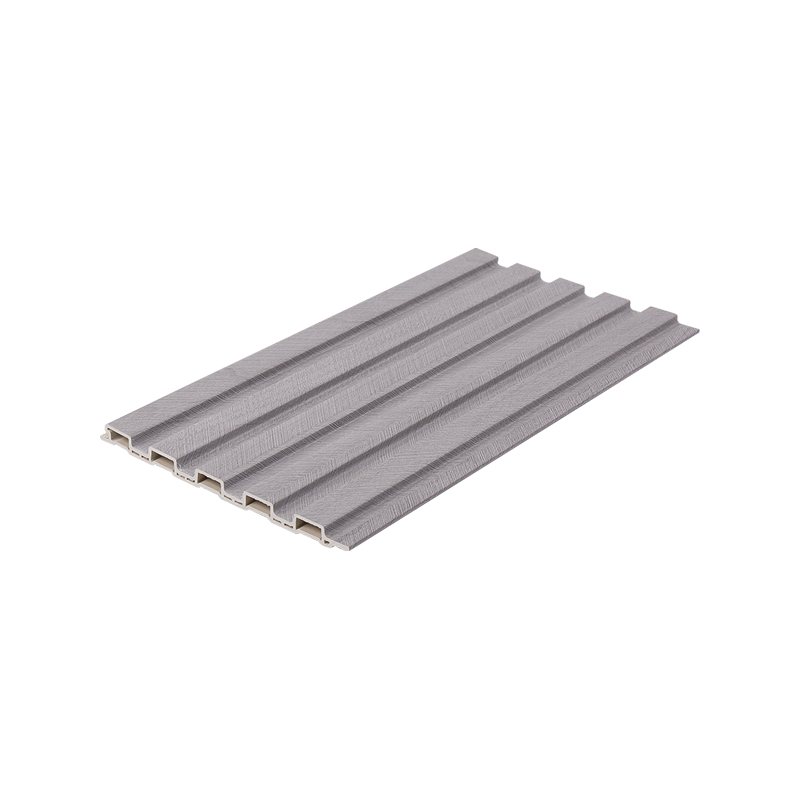
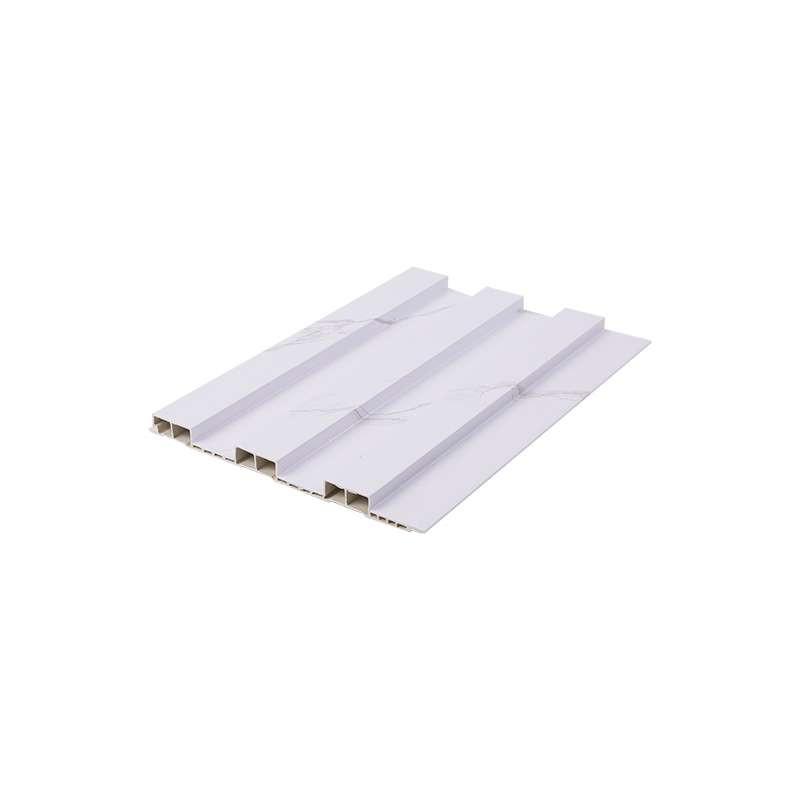
In the transition toward green building standards, the selection of interior cladding materials is increasingly scrutinized for carbon footprint and lifecycle durability. The pvc wpc wall panels (Wood-Plastic Composite) represent a sophisticated engineering solution that fuses thermoplastic resins with recycled wood fibers. This technical evaluation addresses whether these panels constitute the most eco-friendly choice for sustainable interior wall cladding by analyzing material composition, VOC emissions, and recyclability.
Advanced Composite Composition and Structural Integrity
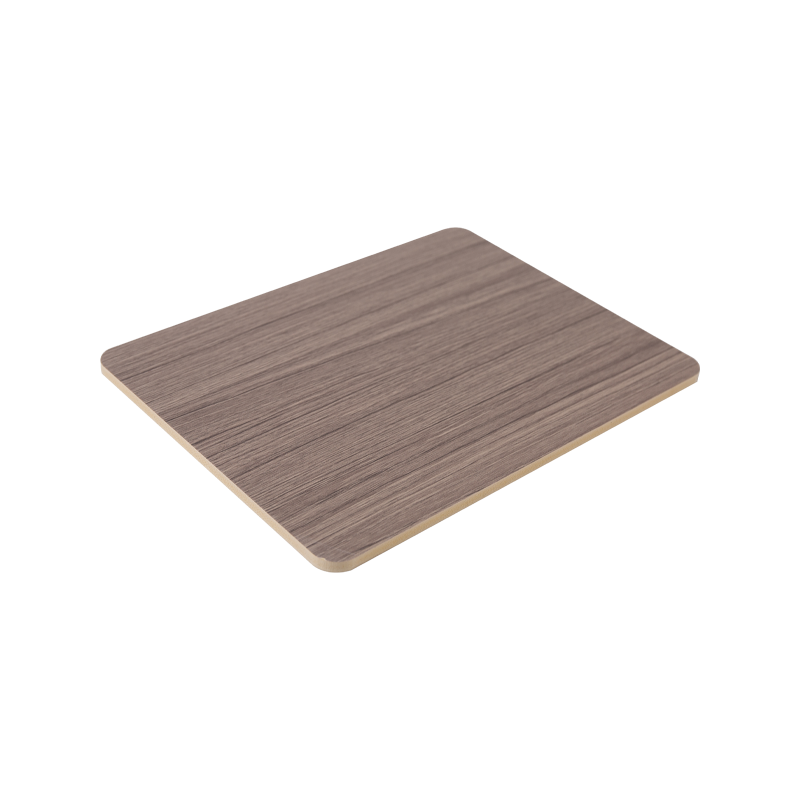
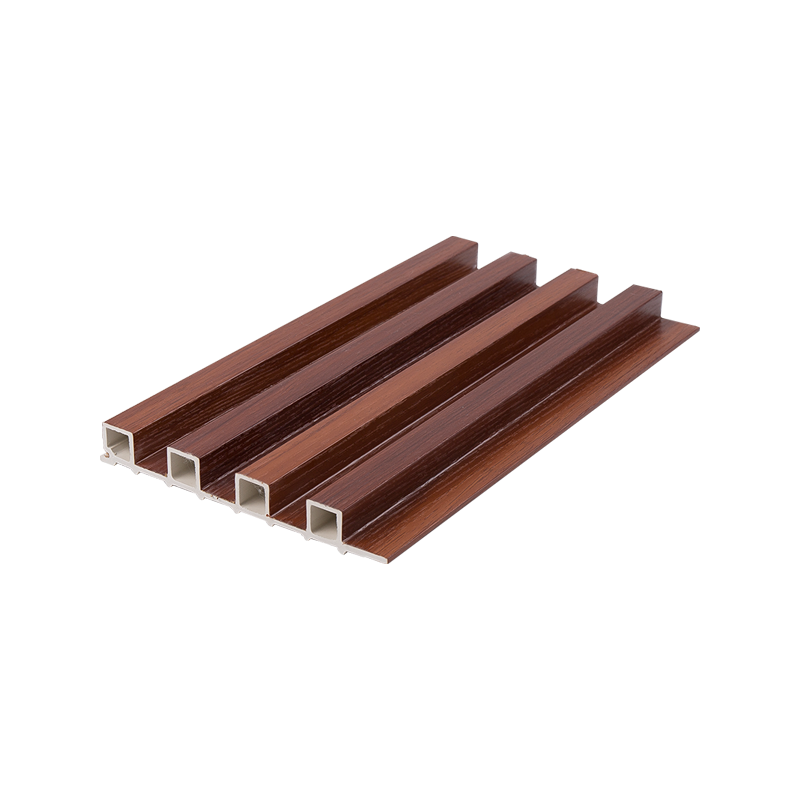
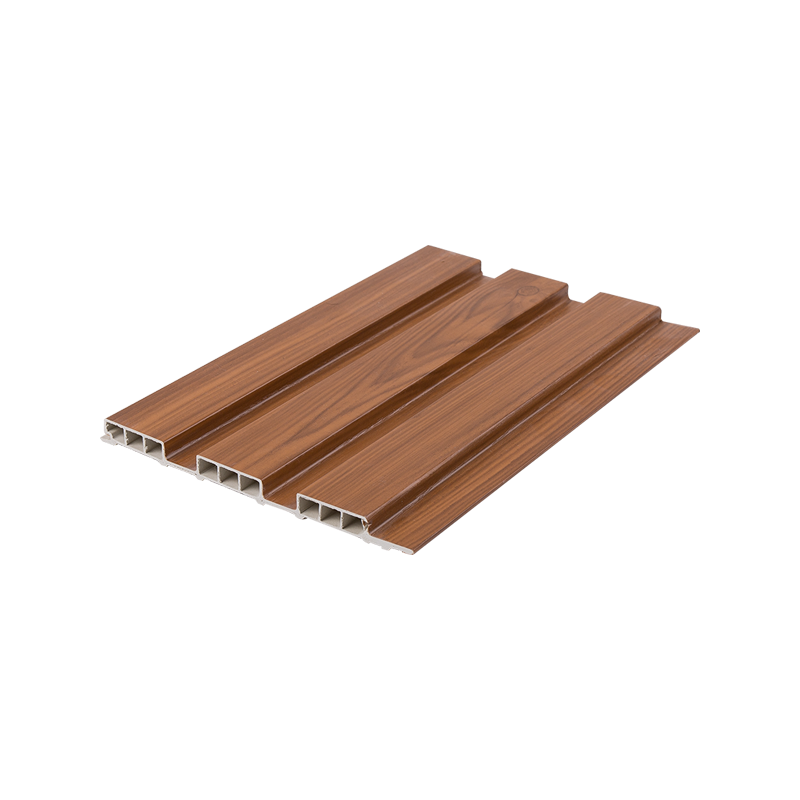
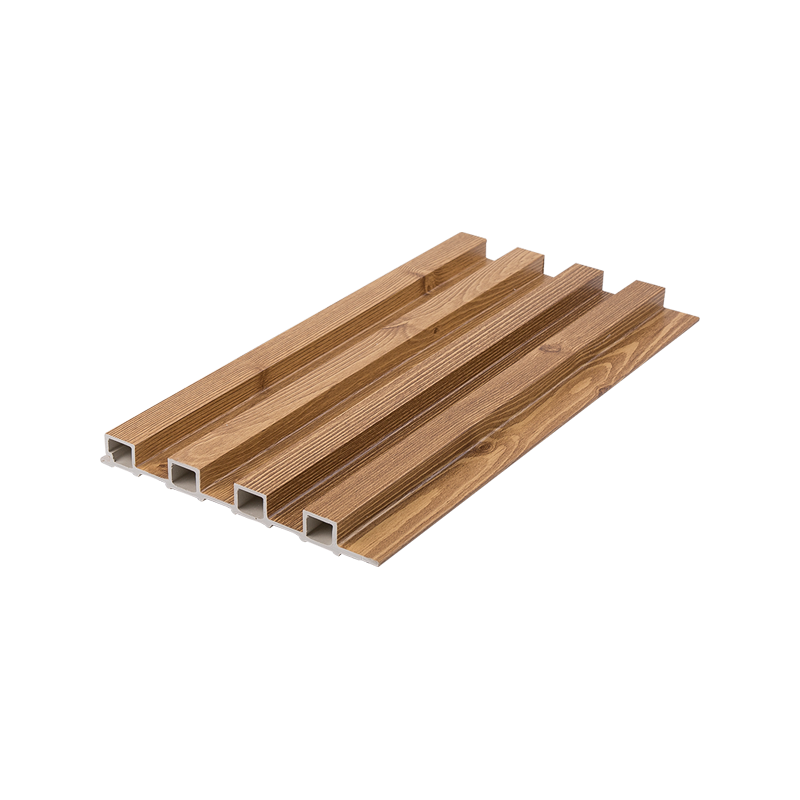
The core of high-density pvc wpc wall panels consists of a homogeneous mixture of polyvinyl chloride and finely ground wood flour, typically in a 60:40 or 50:50 ratio. This composite matrix offers a significant advantage over traditional timber by eliminating the need for formaldehyde-based adhesives. For engineers, wood grain pvc wpc wall panels designs for decoration are not merely aesthetic; the surface film utilizes high-definition thermal transfer or cold lamination to replicate natural textures without the environmental cost of harvesting exotic hardwoods.
When comparing WPC wallboard vs natural wood cladding, the composite material exhibits superior resistance to hygroscopic expansion. Haining Jiazhimeng Integrated Home Co., Ltd., located in Haining City, utilizes advanced extrusion technology developed since 2013 to ensure a closed-cell structure that prevents moisture infiltration. This engineering precision results in a material that does not warp or rot, extending the replacement cycle and reducing the total resource consumption over the building's lifespan.
| Physical Property | Natural Timber Cladding | PVC WPC Wall Panels |
| Formaldehyde Emission | E1 to E2 (Adhesive dependent) | E0 / Non-detectable |
| Water Absorption Rate (%) | 8.0 - 15.0 | Less than 0.5 |
| Termite Resistance | Low (Requires chemical treatment) | High (Inherently resistant) |
Environmental Impact and VOC Emission Standards
A critical factor in determining how eco-friendly are wpc wall panels is the presence of Volatile Organic Compounds (VOCs). Traditional interior decorative materials often off-gas harmful chemicals long after installation. Modern bamboo wood fiberboard for sustainable interiors and PVC-based WPC products are engineered to meet stringent indoor air quality standards. By avoiding solvent-based paints and using lead-free stabilizers, these panels maintain air purity in residential and commercial spaces.
- Recycled Content: Use of post-industrial wood waste reduces landfill volume.
- Energy Efficiency: The thermal insulation properties (low K-value) of pvc wpc wall panels help maintain stable interior temperatures, reducing HVAC loads.
- Resource Conservation: 17 years of experience in the field has allowed Haining Jiazhimeng Integrated Home Co., Ltd. to optimize production, achieving a zero-waste manufacturing process for wpc wall panels where off-cuts are fed back into the extrusion line.
Mechanical Comparison of Interior Decorative Materials
When evaluating pvc wpc wall panels vs wood veneer, the primary technical distinction is impact resistance and maintenance requirements. Wood veneers are susceptible to scratching and require periodic refinishing with polyurethane or oils. Conversely, scratch-resistant wpc wall cladding provides a durable surface that withstands high-traffic environments in hotels and offices. The integrated production capabilities of Haining Jiazhimeng Integrated Home Co., Ltd. allow for the simultaneous manufacturing of supporting lines and lamp strips, ensuring a seamless and structurally sound installation.
Lifecycle Assessment and Recyclability
The sustainability of pvc wpc wall panels is highly dependent on their end-of-life processing. Unlike painted drywall or treated lumber, WPC can be reground and re-extruded into new profiles. This "cradle-to-cradle" potential is a cornerstone of circular economy principles. Furthermore, the fire retardant properties of wpc wall panels (typically Class B1) are achieved through the inherent chlorine content in PVC and mineral fillers, avoiding the toxic halogenated flame retardants often found in other synthetic cladding options.
For B2B partners in Southeast Asia, Australia, and the Middle East, sourcing customized wpc wall panel solutions directly from a factory enterprise ensures compliance with regional environmental certifications. With 17 years of expertise, the research and development team at Haining Jiazhimeng Integrated Home Co., Ltd. focuses on improving wpc wallboard thermal stability to prevent linear expansion in high-temperature climates, further enhancing the material's longevity.
| Environmental Metric | PVC WPC Wall Panels | Interior Aluminum Cladding |
| Embodied Energy | Moderate | High |
| Maintenance Energy | Negligible | Low |
| Recyclability Status | 100% Recyclable | 100% Recyclable |
What are the benefits of using bamboo wood fiberboard?
In many technical applications, bamboo wood fiberboard vs pvc wpc comparisons show that bamboo fibers provide higher tensile strength and a slightly lower density, making it an excellent choice for ceiling applications where weight is a primary engineering constraint. Both materials contribute to the "one-stop shop" convenience provided by integrated home manufacturers.
FAQ
Are WPC wall panels 100% waterproof for bathroom use?
Yes, due to the polymer content and extrusion process, WPC panels are non-porous and do not absorb moisture, making them suitable for high-humidity areas where natural wood would fail.
Do pvc wpc wall panels fade when exposed to sunlight?
While designed for interior use, high-quality panels include UV stabilizers in the surface film to minimize oxidation and color shift over time, maintaining the aesthetic of wood grain designs.
How does the installation of WPC panels compare to traditional drywall?
WPC panels typically feature a tongue-and-groove interlocking system, which is significantly faster to install and eliminates the dusty sanding and painting phases associated with drywall.
What is the typical lifespan of an interior WPC wall panel?
In a controlled interior environment, a professionally manufactured WPC panel can last over 20 years without structural degradation or loss of decorative finish.
Are these panels resistant to mold and mildew?
Yes, because the material does not provide a nutrient source for fungi and is moisture-resistant, it naturally inhibits the growth of mold and mildew without added biocides.
Technical References
- ASTM D7031: Standard Guide for Evaluating Mechanical and Physical Properties of Wood-Plastic Composite Products.
- ISO 16000-6: Indoor air — Determination of volatile organic compounds in indoor and test chamber air.
- GB/T 24137: Wood-plastic composites — Test methods for mechanical and physical properties (National Standard of China).

 Tel:
Tel:
 E-mail:

