


 Español
 中文简体
中文简体 عربى
عربىArticle Directory
Haining Jiazhimeng Integrated Home Co., Ltd., based in Haining City, Zhejiang Province, has specialized in composite material engineering since 2006. With 17 years of expertise in the interior decoration field and a dedicated R&D focus on WPC and bamboo-based polymers since 2013, the company operates advanced extrusion lines to produce high-density bamboo wood fiber wall board. Our factory provides comprehensive structural solutions, including integrated accessories such as aluminum edge profiles and LED lighting strips, ensuring a high-precision fit for large-scale international projects in Southeast Asia, the Middle East, and Australia.
Composite Matrix Composition and Structural Stability
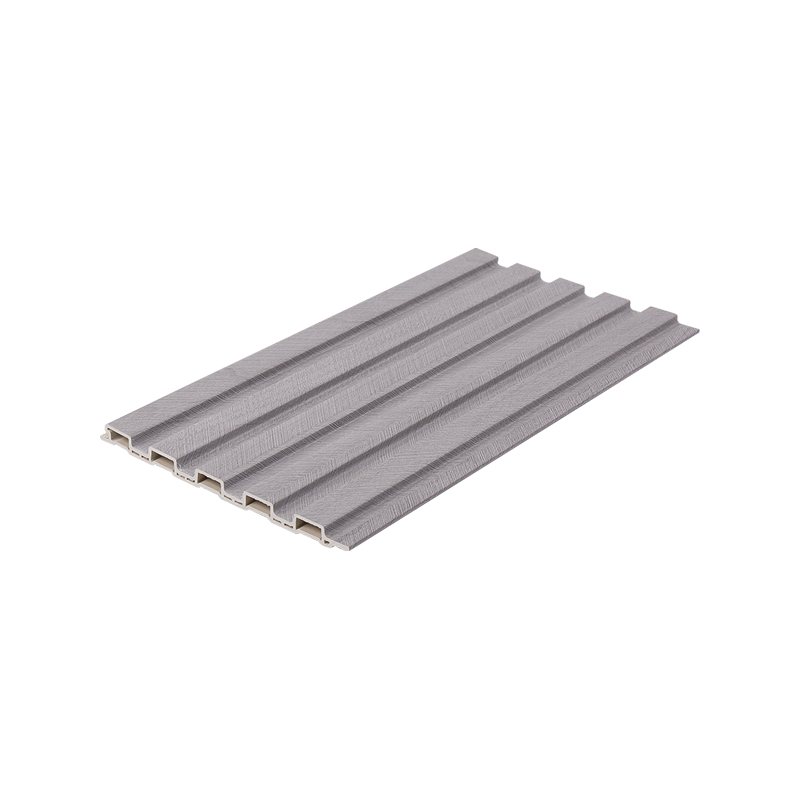
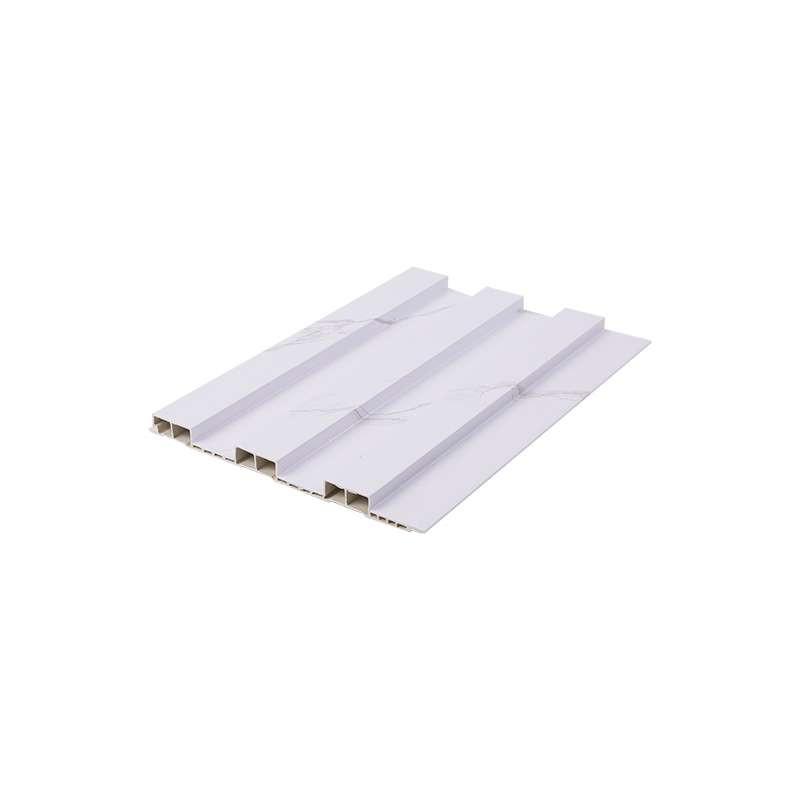
The core of a bamboo wood fiber wall board consists of a homogenized blend of natural bamboo cellulose, recycled wood flour, and high-grade thermoplastic polymers. This composite matrix is engineered to provide superior dimensional stability compared to traditional timber. When analyzing why bamboo wood fiber wall board is durable, one must consider the high density of the extruded profile, typically ranging from 800 kg/m3 to 1000 kg/m3. This high-density core ensures that the material resists indentation from luggage carts and heavy foot traffic, common in hotel corridors. Furthermore, the bamboo fiber wall board density vs PVC ratio indicates that the bamboo-infused core offers higher flexural strength, preventing warping in environments with fluctuating HVAC temperatures.
Surface Hardness and Scratch Resistance in High-Traffic Corridors
In hospitality renovations, the scratch resistance of bamboo wood fiberboard is a critical parameter for long-term maintenance. The surface is typically protected by a multi-layer polymer film or a co-extruded wear layer that reaches a Shore D hardness of 70-80. This mechanical property prevents the "tearing" or "scuffing" often seen in painted drywall or low-grade laminates. To verify performance, materials are tested against ASTM D3363 film hardness standards. The resulting durable wall panels for hotel corridors maintain their aesthetic integrity even under constant abrasive contact, significantly reducing the lifecycle cost of the building interior by extending the period between required refurbishments.
Hygroscopic Performance and Flame Retardancy Parameters
Moisture absorption is the primary cause of material failure in coastal or humid regions. Utilizing waterproof bamboo wood fiber wall board is essential for preventing mold growth and delamination. The polymer encapsulation of the bamboo fibers ensures a water absorption rate of less than 0.5 percent after 24 hours of immersion. Beyond moisture, safety is governed by the fire rating of bamboo fiber wall panels. Most high-performance boards achieve a B1-Class flame retardancy according to GB/T 8624 or EN 13501-1 standards. For engineers, how to install bamboo wood fiber wall board in compliance with local fire codes involves using fire-rated metal clips and flame-retardant adhesive systems, ensuring the assembly provides a high level of passive fire protection.
Acoustic Insulation and Thermal Conductivity Efficiency
In the hotel industry, acoustic privacy between corridors and guest rooms is a priority. The acoustic properties of bamboo fiberboard allow it to act as a secondary sound barrier, with a hollow-core design providing a Sound Transmission Class (STC) improvement of up to 20 dB. Additionally, the thermal conductivity of composite wall boards is significantly lower than that of masonry or stone, typically around 0.06 W/(mK). This insulating effect assists in maintaining stable room temperatures, contributing to the overall energy efficiency of the building. When evaluating the bamboo wood fiber wall board vs WPC performance, the bamboo-rich variant often demonstrates superior thermal stability in interior settings due to the inherent properties of the bamboo cellulose.
Comparative Analysis of Interior Wall Cladding Materials
The following data compares the mechanical and physical attributes of common wall surfacing materials used in commercial hospitality projects.
| Property Metric | Natural Wood Panel | PVC Wall Panel | Bamboo Wood Fiber Board |
| Surface Hardness (Shore D) | 45 - 55 | 60 - 65 | 70 - 80 |
| Water Absorption (24h) | 15 - 25 percent | 0.1 percent | Less than 0.5 percent |
| Formaldehyde Emission | Varies (E1/E2) | E0 / Zero | E0 / Zero |
| Thermal Expansion Coeff. | High | Medium | Low (Stable) |
Installation Efficiency and Maintenance Protocols
The easy installation of bamboo wood fiber wall panels is facilitated by a tongue-and-groove interlocking system, allowing for rapid assembly over existing substrates without extensive wall preparation. This is a significant advantage for cost-effective hotel wall renovations, as it minimizes room downtime. For maintenance, the cleaning of bamboo wood fiberboards requires only neutral pH detergents, as the polymer surface is non-porous and resistant to chemical staining. This combination of structural durability and ease of maintenance confirms the technical benefits of bamboo fiber wall board as the primary choice for modern hospitality infrastructure.
Industrial Hardcore FAQ
Q1: Does bamboo wood fiber wall board contain formaldehyde?
A1: Our boards are manufactured using E0-grade resins and natural fibers, resulting in zero or negligible formaldehyde emissions, compliant with EN 717-1 standards.
Q2: Can these boards be installed directly onto a concrete wall?
A2: Yes, if the wall is flat and dry. However, for the best finish, we recommend using a light-gauge steel or wood furring system to ensure perfect leveling.
Q3: What is the UV stability of the surface film for interior use?
A3: The surface films include UV-inhibitors that prevent significant fading for at least 10-15 years in typical interior lighting environments.
Q4: How does the impact resistance compare to gypsum board?
A4: Bamboo wood fiber board has an impact resistance nearly 10 times higher than 12.5mm gypsum board, making it virtually immune to "punch-through" damage.
Q5: What is the standard thickness for commercial-grade boards?
A5: The industry standard for high-traffic areas is 9mm or 12mm, providing the best balance of weight, structural rigidity, and acoustic insulation.
Technical References
- ASTM D7031 - Standard Guide for Evaluating Mechanical and Physical Properties of Wood-Plastic Composite Products.
- ISO 24334 - Laminate floor coverings - Determination of locking strength for mechanically assembled panels.
- GB/T 24137 - Wood-plastic composites test methods (Chinese National Standard).

 Tel:
Tel:
 E-mail:

