


 Español
 中文简体
中文简体 عربى
عربىArticle Directory
- 1 1. Understanding National and International Fire Safety Classifications
- 2 2. Technical Composition and Thermal Resistance Mechanisms
- 3 3. Commercial Application and Installation Compliance
- 4 Conclusion: Prioritizing Safety in Modern Interiors
- 4.1 Frequently Asked Questions (FAQ)
- 4.1.1 1. Is bamboo wood fiber wall board completely fireproof?
- 4.1.2 2. What is the difference between non-combustible vs fire-retardant wall materials?
- 4.1.3 3. How do I verify a bamboo wood fiber wall board fire rating for my project?
- 4.1.4 4. Are eco-friendly fire retardant wall materials more expensive?
- 4.1.5 5. Can bamboo fiber integrated wall panels be used in kitchens?
- 4.2 Industry References
- 4.1 Frequently Asked Questions (FAQ)
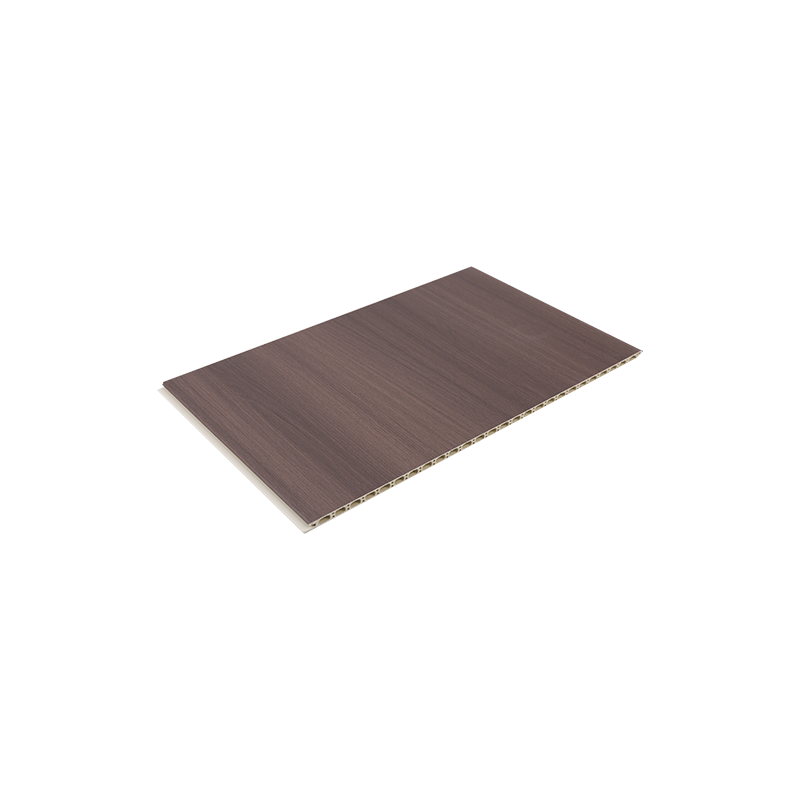
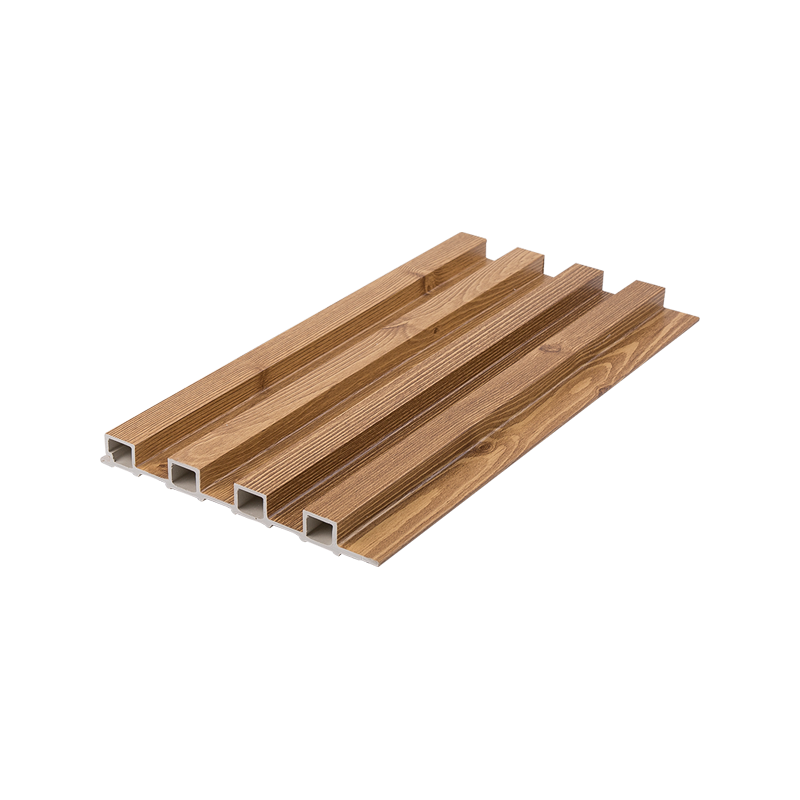
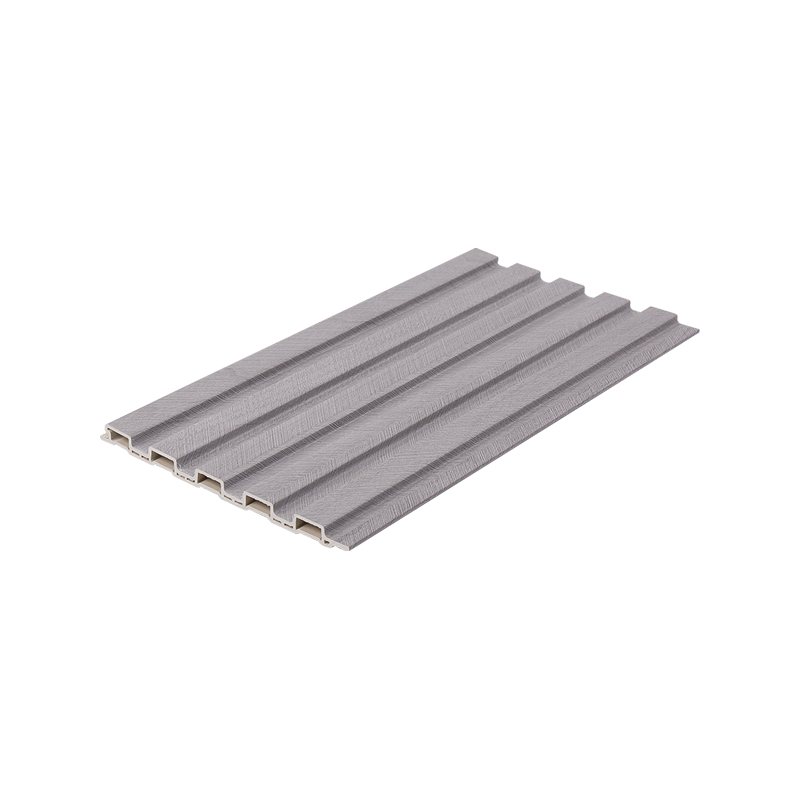
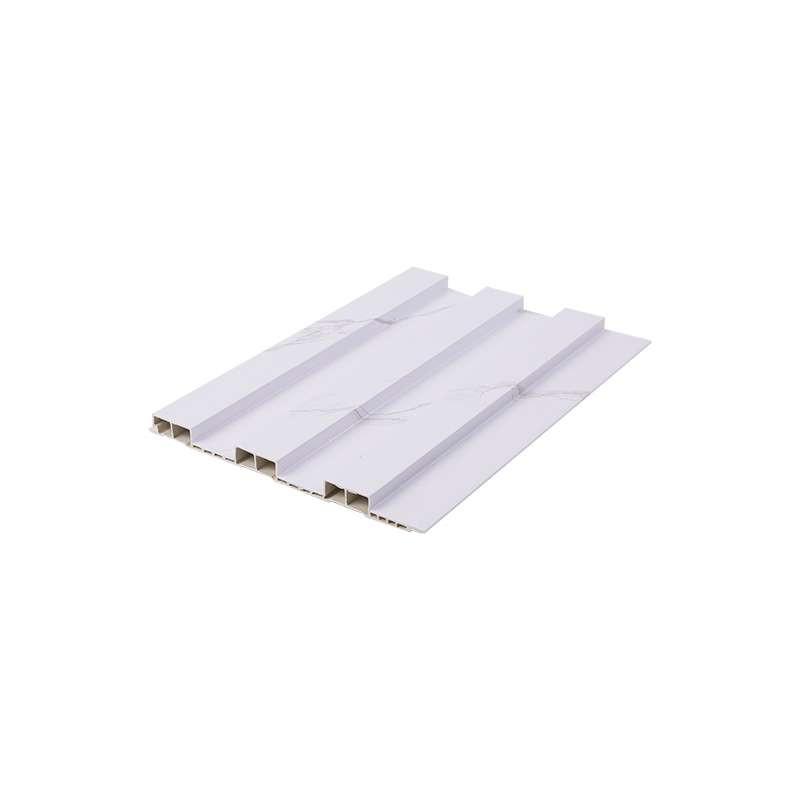
In the realm of modern commercial interior design, material selection is dictated by a critical balance of aesthetics, sustainability, and stringent safety protocols. The bamboo wood fiber wall board has emerged as a frontrunner in this space, offering a sophisticated alternative to traditional timber. Haining Jiazhimeng Integrated Home Co., Ltd., located in Haining City, Zhejiang Province, has been at the forefront of this industry since 2006. With 17 years of specialized experience and advanced production technology, we focus on high-performance composite materials including WPC and wood veneer. For architects and contractors, understanding the bamboo wood fiber wall board fire rating is paramount for legal compliance and occupant safety. This article provides an engineering-grade analysis of fire-retardant standards and how bamboo wood fiber wall board performs under thermal stress in commercial environments.
1. Understanding National and International Fire Safety Classifications
Fire safety for interior finishes is typically categorized by the material's reaction to fire, including flame spread, heat release, and smoke production. For a bamboo wood fiber wall board to be utilized in public spaces like hotels or hospitals, it must generally achieve a B1 fire rated wall board classification according to GB 8624 standards, or a Class B/C rating under EN 13501. When comparing B1 vs B2 fire ratings for wall boards, the B1 category denotes a "flame-retardant" material that is difficult to ignite and self-extinguishes upon the removal of the heat source. In contrast, non-combustible vs fire-retardant wall materials distinguish between substances like stone (Class A) and treated composites (Class B). By integrating high-quality flame retardants during the extrusion of bamboo fiber integrated wall panels, Jiazhimeng ensures that our products meet the rigorous safety demands of the Southeast Asian and Australian markets.
Fire Classification Comparison
- Class A (Non-combustible): Materials like concrete or steel that do not contribute to fire growth.
- Class B1 (Flame Retardant): Composite materials that significantly delay the spread of fire and produce minimal toxic smoke.
| Safety Grade | Combustion Characteristics | Commercial Application Suitability |
| Class A | Incombustible; no flame spread | Structural elements and high-risk zones |
| Class B1 (Fire retardant bamboo fiber board) | Flame-retardant; self-extinguishing | Offices, Hotels, Schools, and Shopping Malls |
| Class B2 | Flammable; supports combustion | Limited residential use only |
2. Technical Composition and Thermal Resistance Mechanisms
The fire resistance of bamboo wood fiber wall board is achieved through molecular engineering. The composite consists of bamboo fibers, wood flour, and high-density polymers, which are treated with halogen-free flame retardants. This chemical synergy creates a protective "char layer" when exposed to heat, insulating the core material and preventing oxygen from fueling the flame. One of the benefits of B1 fire rated wall panels is the significantly lower smoke density compared to traditional PVC or pure wood. When evaluating how to test wall board fire resistance, engineers look for the "Oxygen Index" (OI); a high-quality bamboo wood fiber wall board typically maintains an OI greater than 32%. This is a crucial factor in waterproof and fireproof wall board features, as the material must remain structurally sound in both humid conditions and high-temperature scenarios.
Thermal Protection Sequence
- Ignition Delay: Surface treatments prevent immediate combustion upon contact with sparks.
- Charring Process: The bamboo fiber forms a carbonized layer that blocks heat transfer.
- Self-Extinction: The polymer matrix is engineered to stop the chemical chain reaction of fire once the external flame is removed.
- Smoke Suppression: High-grade additives reduce the toxicity and density of emissions, facilitating safer evacuations.
| Performance Metric | Standard Wood Panel | B1 fire rated wall board |
| Flame Spread Index | High (Rapid Spread) | Low (Controlled/Delayed) |
| After-flame Time | Indefinite until consumed | < 30 Seconds |
| Toxic Gas Emission | Significant (Carbon Monoxide) | Minimal (Halogen-free additives) |
3. Commercial Application and Installation Compliance
For commercial builds, bamboo wood fiber wall board commercial use often requires verification through local building codes. Beyond the fire rating, the eco-friendly fire retardant wall materials produced by Haining Jiazhimeng are also prized for their acoustic and moisture-resistant properties. When considering how to install fire rated wall boards, it is vital to use matching aluminum alloy lines or lamp strips that also meet safety standards to maintain the integrity of the fire barrier. Our 17 years of experience allows us to provide "one-stop" factory services, ensuring that even the supporting lines and accessories are compatible with best fire retardant ratings for wall boards. This holistic approach ensures that the entire wall assembly, not just the panel, provides a win-win result for safety and longevity.
Conclusion: Prioritizing Safety in Modern Interiors
Selecting the right bamboo wood fiber wall board involves looking beyond the surface finish and deeply analyzing the technical fire-retardant data. Achieving a B1 rating is the industry standard for ensuring that commercial interiors are protected against the rapid spread of fire while maintaining a sustainable, eco-friendly footprint. Haining Jiazhimeng Integrated Home Co., Ltd. continues to research and update our composite technologies to provide our global partners in the Middle East and South America with the highest quality, worry-free wall solutions.
Frequently Asked Questions (FAQ)
1. Is bamboo wood fiber wall board completely fireproof?
Technically, it is "fire-retardant" (B1 grade), meaning it resists ignition and self-extinguishes. It is not "fireproof" like stone or metal (Class A), but it is the highest safety grade available for wood-composite materials.
2. What is the difference between non-combustible vs fire-retardant wall materials?
Non-combustible materials (Class A) will not burn at all. Fire-retardant materials (B1) like our bamboo wood fiber wall board will char under extreme heat but will not contribute to the spread of the fire.
3. How do I verify a bamboo wood fiber wall board fire rating for my project?
You should request a test report from the manufacturer that references GB 8624, EN 13501, or ASTM E84 standards, confirming the B1 or Class B classification.
4. Are eco-friendly fire retardant wall materials more expensive?
While the initial cost may be slightly higher than untreated wood due to the specialized flame-retardant additives, the long-term value in insurance savings and legal compliance makes it more cost-effective for commercial use.
5. Can bamboo fiber integrated wall panels be used in kitchens?
Yes, because of their waterproof and fireproof wall board features, they are excellent for kitchen environments, though they should not be used as a direct backsplash for open-flame commercial stoves.
Industry References
- GB 8624-2012: Classification for burning behavior of building materials and products.
- EN 13501-1: Fire classification of construction products and building elements.
- ASTM E84: Standard Test Method for Surface Burning Characteristics of Building Materials.
- Jiazhimeng Technical Lab: "17-Year Longitudinal Study on WPC Composite Fire Stability" (2024).

 Tel:
Tel:
 E-mail:

