


 Español
 中文简体
中文简体 عربى
عربىArticle Directory
- 1 1. The Engineering Behind Hidden Fastener Systems
- 2 2. Substrate Preparation and Grid Alignment
- 3 3. Thermal Expansion and Moisture Management
- 4 Conclusion: The Professional Standard for Wall Cladding
- 4.1 Frequently Asked Questions (FAQ)
- 4.1.1 1. Can I install WPC wall cladding panels directly on drywall?
- 4.1.2 2. Are hidden fasteners for WPC panels universal?
- 4.1.3 3. How to hide joints in WPC wall cladding at the corners?
- 4.1.4 4. Why WPC wall cladding is better than wood for kitchens?
- 4.1.5 5. Is the WPC wall cladding panel truly eco-friendly?
- 4.2 Industry References
- 4.1 Frequently Asked Questions (FAQ)
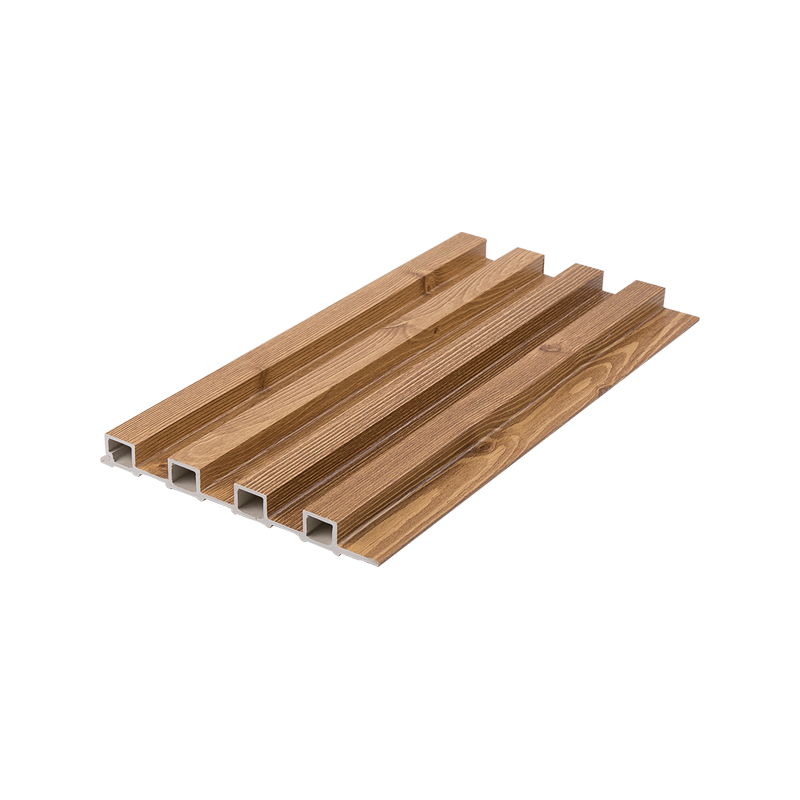
In the evolution of architectural surfaces, the demand for "zero-visible-hardware" aesthetics has made the hidden fastener WPC wall cladding panel system a cornerstone of modern interior and exterior design. Achieving a truly flawless, continuous surface requires more than just high-quality materials; it necessitates a deep understanding of substrate preparation and thermal dynamics. Haining Jiazhimeng Integrated Home Co., Ltd., based in Haining City, Zhejiang, has been a pioneer in this field since 2006. With 17 years of expertise in interior decoration materials and a specialized focus on wpc wall cladding panel technology since 2013, we provide advanced composite solutions to global markets including Southeast Asia, Australia, and the Middle East. This guide provides an engineering perspective on installing WPC wall cladding with hidden fasteners to ensure structural integrity and a seamless aesthetic.
1. The Engineering Behind Hidden Fastener Systems
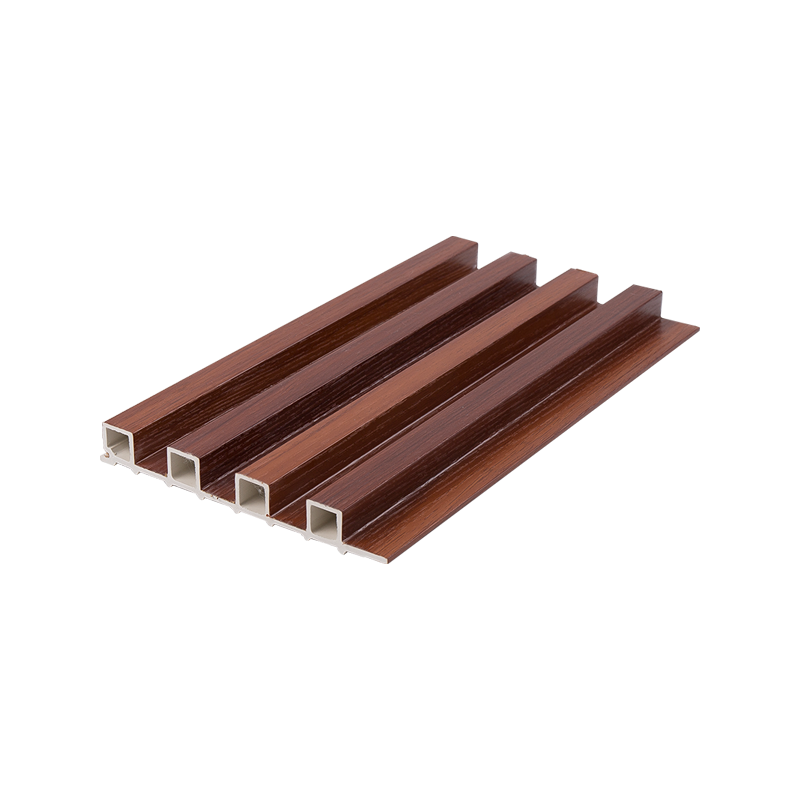
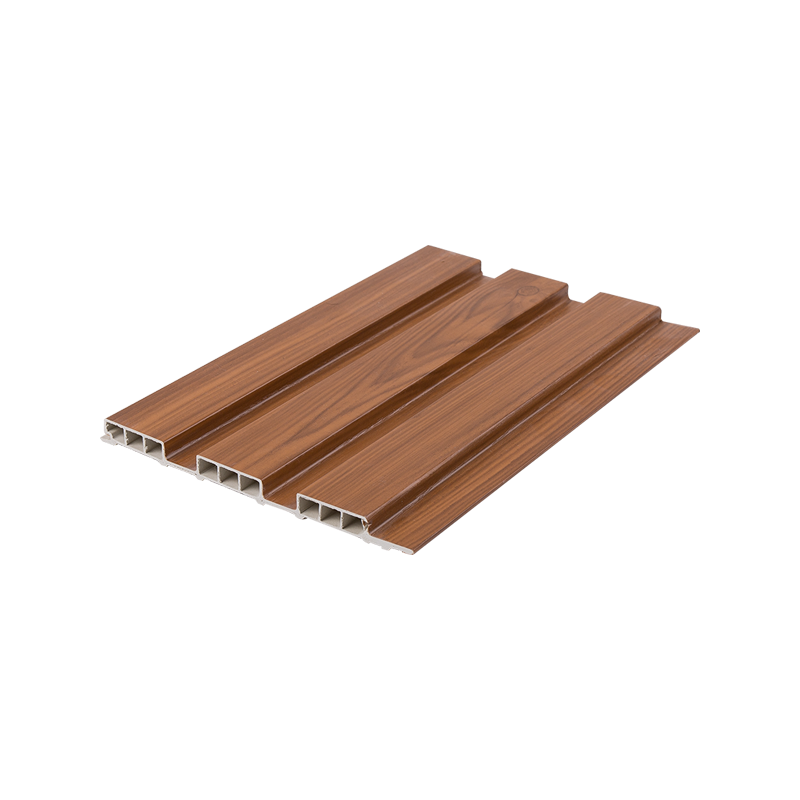
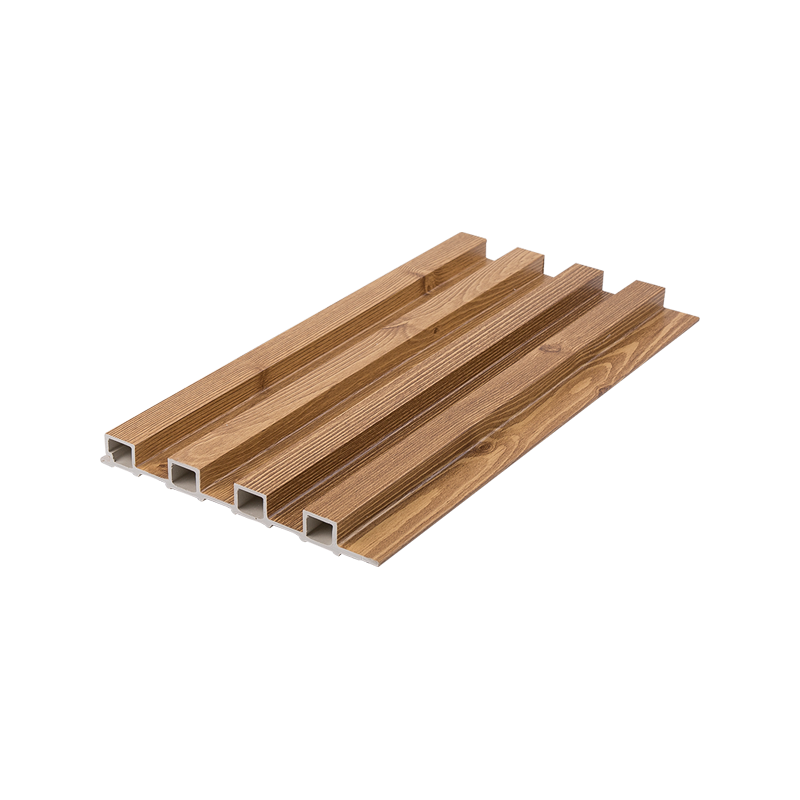
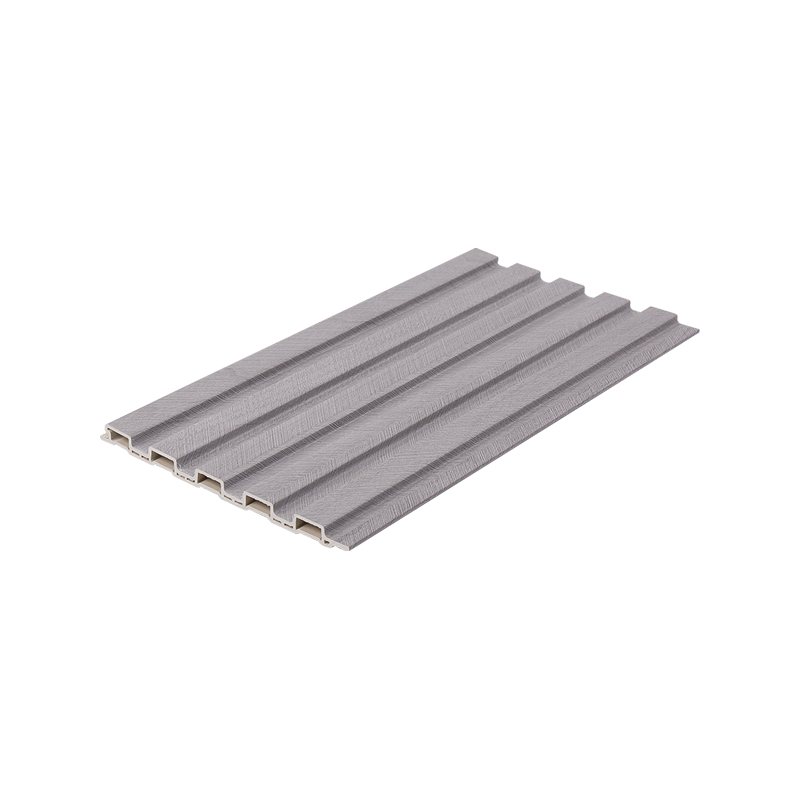
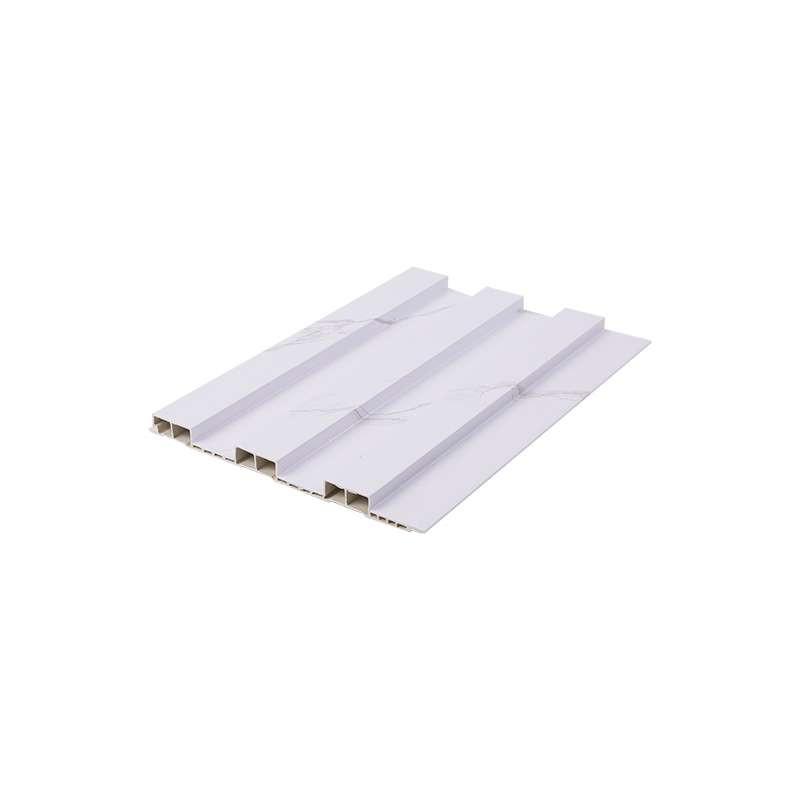
The primary benefits of hidden fasteners for WPC panels extend beyond mere appearance. By utilizing a clip-and-groove mechanism, the wpc wall cladding panel is allowed to "breathe"—accommodating the natural expansion and contraction of wood-plastic composites. When comparing visible screws vs hidden fasteners for WPC, visible screws often restrict movement, leading to localized stress fractures or warping over time. Conversely, a hidden system distributes mechanical load evenly along the profile edge. Understanding how to hide joints in WPC wall cladding involves precise alignment of the starter clips and ensuring the tongue-and-groove interface is free of debris. For those seeking best WPC cladding for a seamless look, a fluted or interlocking profile manufactured by Haining Jiazhimeng offers the tightest tolerances for a monolithic appearance.
Mechanical Interface Comparison
- Load Distribution: Hidden clips provide a floating mount that reduces point stress on the composite matrix.
- Expansion Control: The gap provided by the clip allows for linear thermal movement without buckling.
| Feature | Visible Face-Fixing | Hidden Fastener System |
| Aesthetic Continuity | Interrupted by screw heads | Continuous, seamless finish |
| Moisture Protection | Potential leak points at screw holes | Uninterrupted surface skin |
| Thermal Movement | Restricted (High risk of warping) | Accommodated (Low risk) |
2. Substrate Preparation and Grid Alignment
A seamless finish is only as good as the structure behind it. Substrate requirements for WPC wall panels mandate a perfectly level plane to avoid "lippage" between joints. Using bamboo wood fiberboard or traditional timber battens as a sub-frame is common, but the spacing must be strictly controlled to prevent panel sagging. When choosing the right fasteners for WPC cladding, stainless steel or high-grade coated clips are essential to prevent galvanic corrosion, especially in coastal regions like Australia. The WPC wall cladding panel durability in high-traffic areas is significantly enhanced when the support grid is aligned at intervals no greater than 300-400mm. At Haining Jiazhimeng, we provide customized WPC wall panels along with supporting accessories like matching lines and lamp strips to ensure a professional, worry-free installation.
Installation Sequence for Seamless Results
- Batten Leveling: Use a laser level to ensure all vertical or horizontal battens are on a single plane.
- Starter Clip Fixation: Precisely anchor the first row, as this dictates the squareness of the entire wall.
- Panel Engagement: Slide the tongue of the wpc wall cladding panel into the groove/clip, ensuring a "click" or firm seat.
- Joint Management: Apply WPC wall cladding maintenance tips by leaving a 2mm expansion gap at the perimeter, hidden by trim.
3. Thermal Expansion and Moisture Management
One of the most frequent WPC wall cladding installation mistakes to avoid is over-tightening the hidden clips, which prevents the panel from sliding during temperature shifts. Because WPC is a composite, its coefficient of linear thermal expansion must be respected. Why WPC wall cladding is better than wood for seamless finishes is largely due to its superior moisture resistance; unlike natural wood veneer, WPC will not swell or rot when exposed to humidity. However, waterproof WPC wall panel installation still requires a drainage cavity behind the boards to prevent mold growth on the substrate. Haining Jiazhimeng's advanced production technology ensures that our eco-friendly WPC wall cladding panels maintain dimensional stability across diverse climates, from the humid Middle East to South America.
| Environmental Factor | Impact on Natural Wood | Impact on WPC Wall Cladding Panel |
| Humidity (80%+) | Significant swelling and warping | Negligible moisture absorption |
| Direct Sunlight | Fading and cracking | UV-stabilized; minimal fading |
| Pest Exposure | High risk of termite damage | Termite and insect resistant |
Conclusion: The Professional Standard for Wall Cladding
Achieving a seamless finish with a hidden fastener WPC wall cladding panel system is an attainable goal when engineering principles are applied to the installation process. By selecting high-quality, customized WPC wall panels and adhering to strict alignment and expansion protocols, architects and homeowners can enjoy a durable, beautiful surface. Haining Jiazhimeng Integrated Home Co., Ltd. remains committed to providing "one-stop" convenience, combining 17 years of manufacturing excellence with integrated accessories like lamp strips and lines. Whether you are upgrading a commercial space or a residential interior, our wpc wall cladding panel solutions offer the quality and reliability needed for a world-class finish.
Frequently Asked Questions (FAQ)
1. Can I install WPC wall cladding panels directly on drywall?
It is not recommended. For a seamless finish and long-term durability, you should install a batten system (timber or aluminum) over the drywall to provide a flat surface and allow for airflow.
No. Most wpc wall cladding panel profiles have a unique groove depth. It is vital to use the specific clips provided by the manufacturer to ensure the tongue-and-groove interface seats correctly.
3. How to hide joints in WPC wall cladding at the corners?
At Haining Jiazhimeng, we provide matching L-shape lines or wood veneer trims that snap onto the edge of the panels, ensuring the "seamless" look continues around 90-degree turns.
4. Why WPC wall cladding is better than wood for kitchens?
WPC is much easier to clean and is grease-resistant. Following standard WPC wall cladding maintenance tips, a simple wipe-down is enough to keep the surface pristine without the need for periodic oiling or sanding.
5. Is the WPC wall cladding panel truly eco-friendly?
Yes. Our eco-friendly WPC wall cladding panels are made from recycled wood fibers and polymers, reducing the demand for virgin timber and offering a sustainable alternative for modern construction.
Industry References
- ASTM D7032: Standard Specification for Establishing Performance Ratings for Wood-Plastic Composite Products.
- ISO 14021: Environmental labels and declarations — Self-declared environmental claims.
- Haining Jiazhimeng Technical Whitepaper: "Thermal Expansion Coefficients in Co-extruded WPC" (2025).
- European Technical Approval (ETA): Guidelines for Cladding Kits for External Wall Insulation.

 Tel:
Tel:
 E-mail:

