


 Español
 中文简体
中文简体 عربى
عربىArticle Directory
- 1 What are PVC wood veneer wall panels for indoor use and how are they structured?
- 2 What are the main types of indoor PVC wood veneer wall panels?
- 3 Where are PVC wood veneer wall panels commonly used indoors?
- 4 What performance properties should PVC wood veneer wall panels provide?
- 5 How are PVC wood veneer wall panels manufactured?
- 6 How do PVC wood veneer wall panels compare with real wood and MDF panels?
- 7 What are the limitations of PVC wood veneer wall panels?
- 8 What is the future trend of PVC wood veneer wall panels in interior design?
- 9 Frequently Asked Questions
Choosing the right wall finish for an interior space means balancing appearance, durability, and long-term maintenance. PVC wood veneer wall panels have become one of the most requested options for homeowners, designers, and commercial contractors who want the warmth of a wood-grain surface without the upkeep that solid timber demands. This guide walks through what these panels are, how they are made, where they perform best, and how they measure up against traditional wall materials.
What are PVC wood veneer wall panels for indoor use and how are they structured?
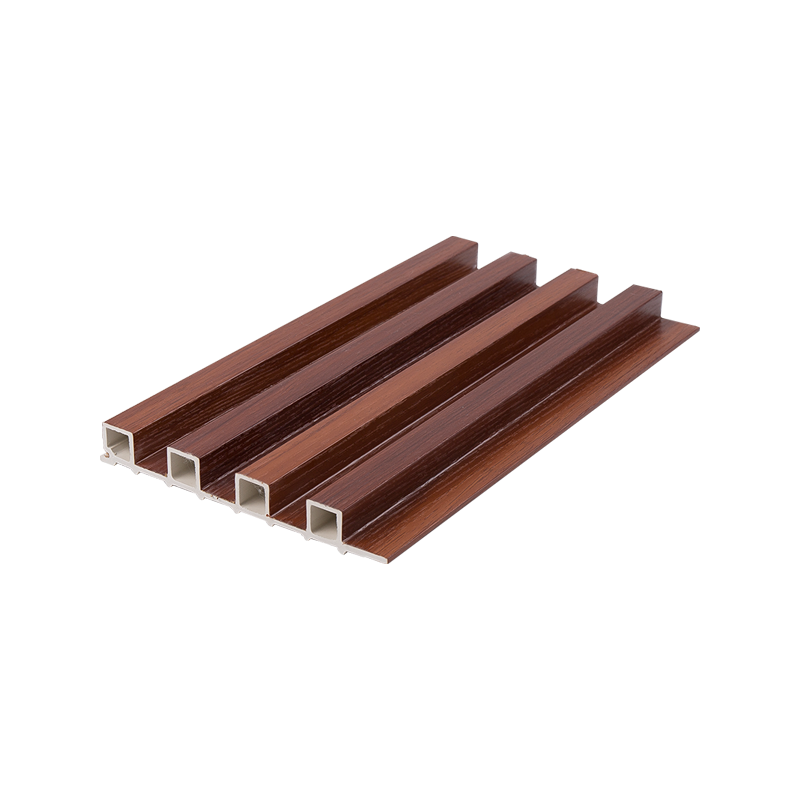
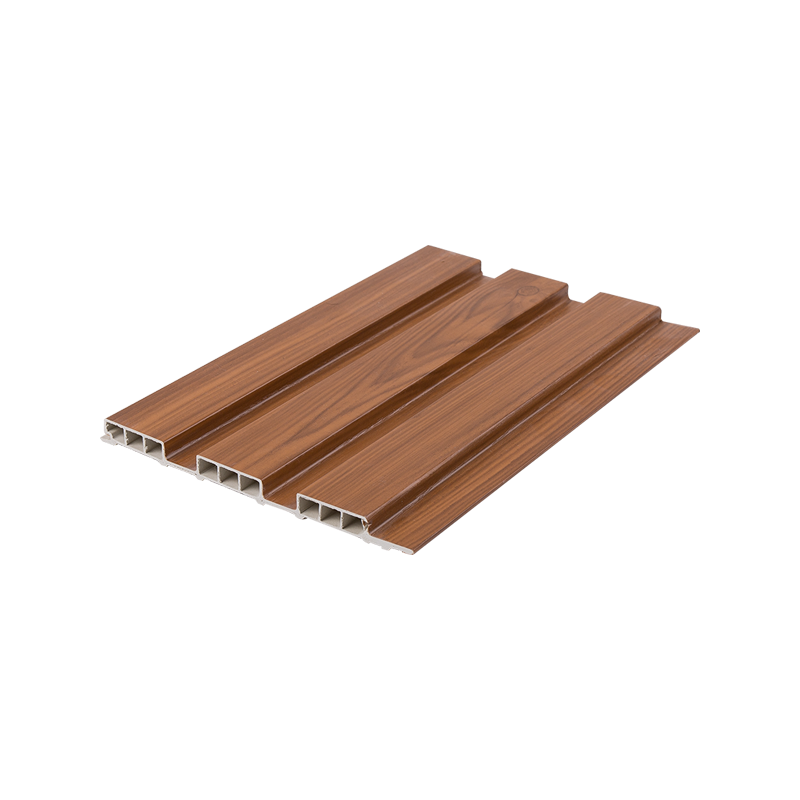
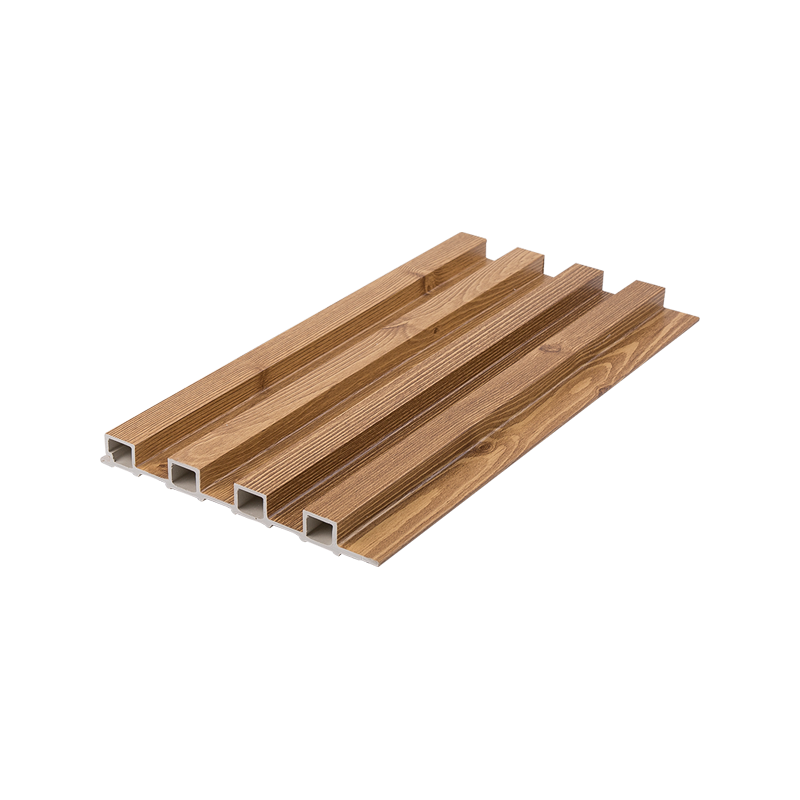
A PVC wood veneer wall panel is a layered interior wall covering built on a rigid or semi-rigid polyvinyl chloride core, finished with a printed or laminated wood-grain surface layer. Unlike solid wood boards, the panel does not rely on natural grain variation from a tree trunk; instead, the wood appearance is reproduced through a lamination or printing process bonded to a stable synthetic substrate.
A PVC wood veneer wall panel is an interior wall decorative panel formed from a PVC substrate and topped with a wood-grain film or laminate, engineered to replicate the look of natural timber while resisting moisture, warping, and pest damage.
The typical structure includes three layers: a base PVC panel that provides rigidity and shape, an adhesive bonding layer, and a decorative surface film that carries the wood grain pattern and, in most cases, a protective topcoat. This construction is what separates a synthetic wood grain wall cladding product from a raw plastic sheet — the surface engineering is what makes the panel usable as a finished interior wall decorative panel rather than a purely functional lining material.
What are the main types of indoor PVC wood veneer wall panels?
Interior wall paneling suppliers generally group PVC laminated wall finish panels into a handful of surface and performance categories. The right type depends on the room's lighting, humidity level, and the visual effect the designer wants to achieve.
- 01
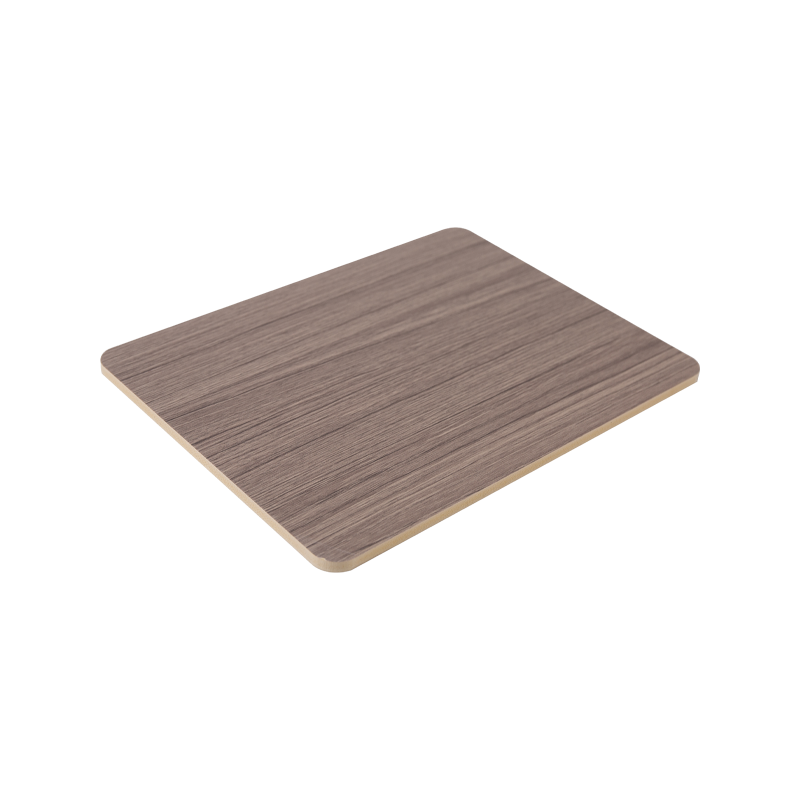
Matte wood grain panels — a low-sheen finish that mimics brushed or oiled timber, commonly chosen for living rooms and bedrooms where a softer, non-reflective look is preferred.
- 02
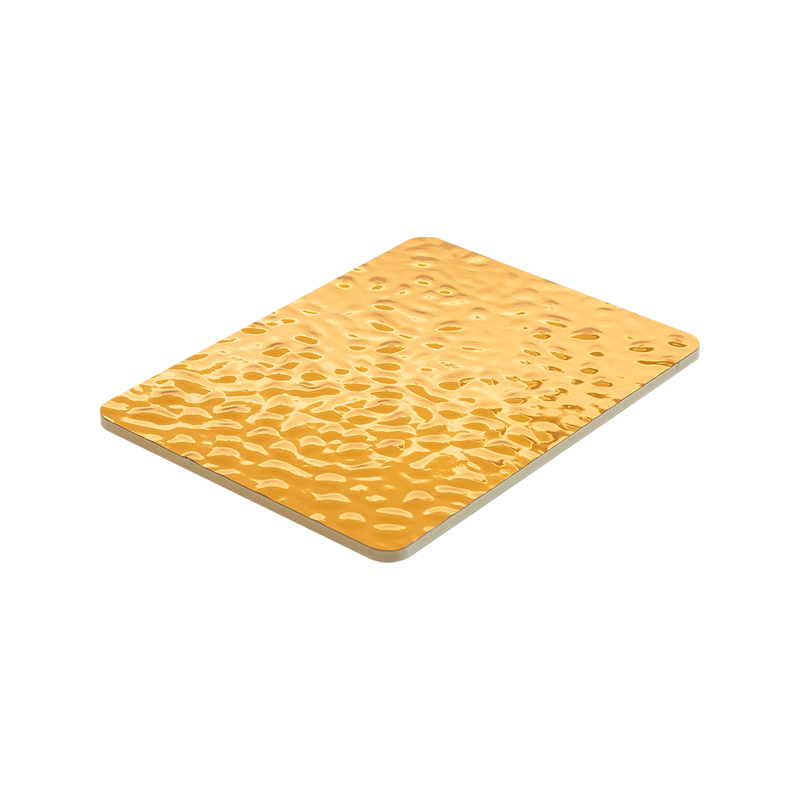
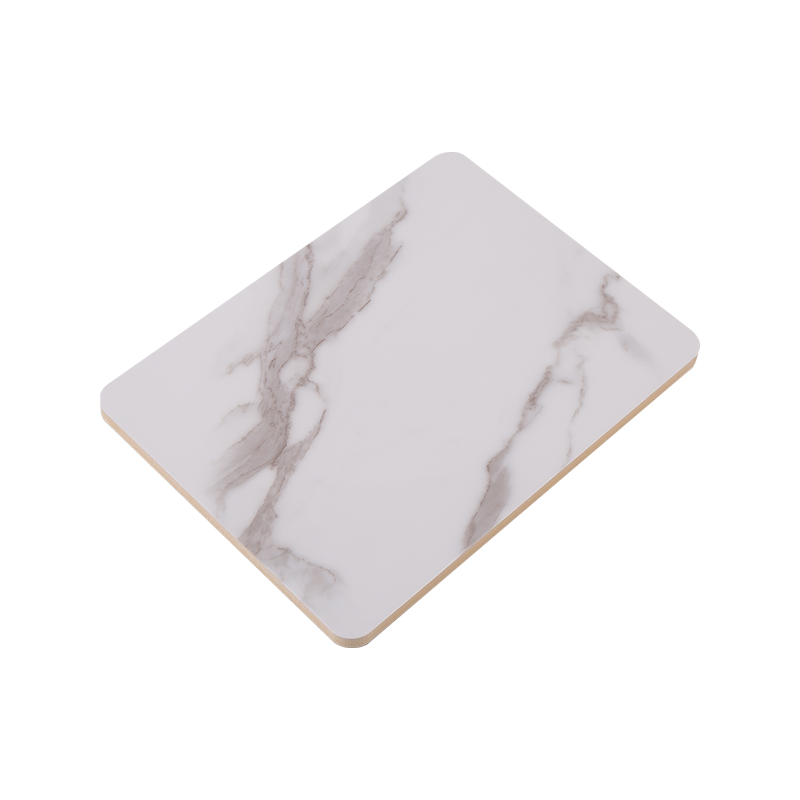
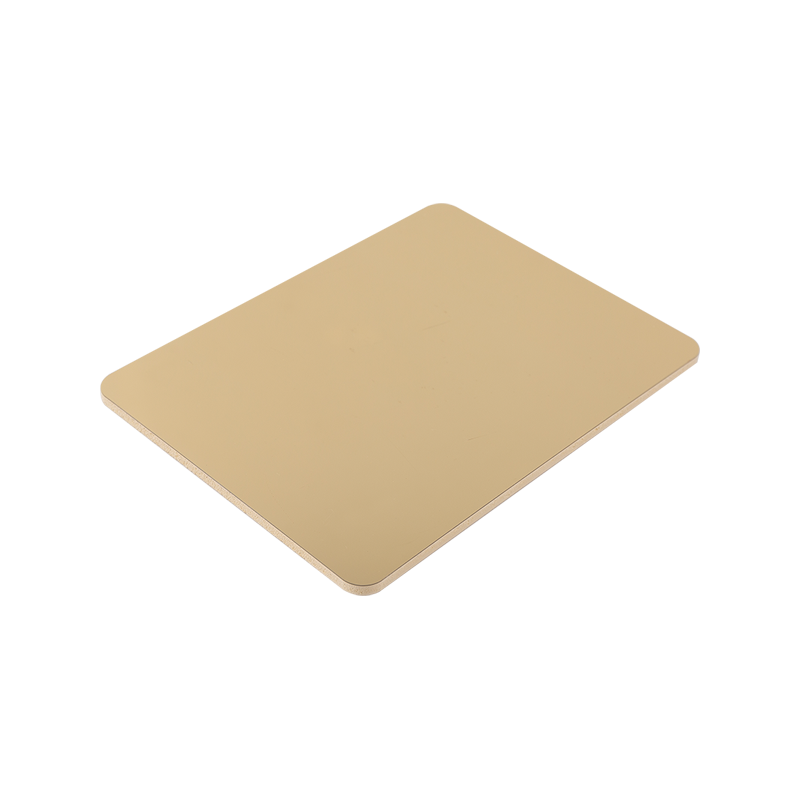
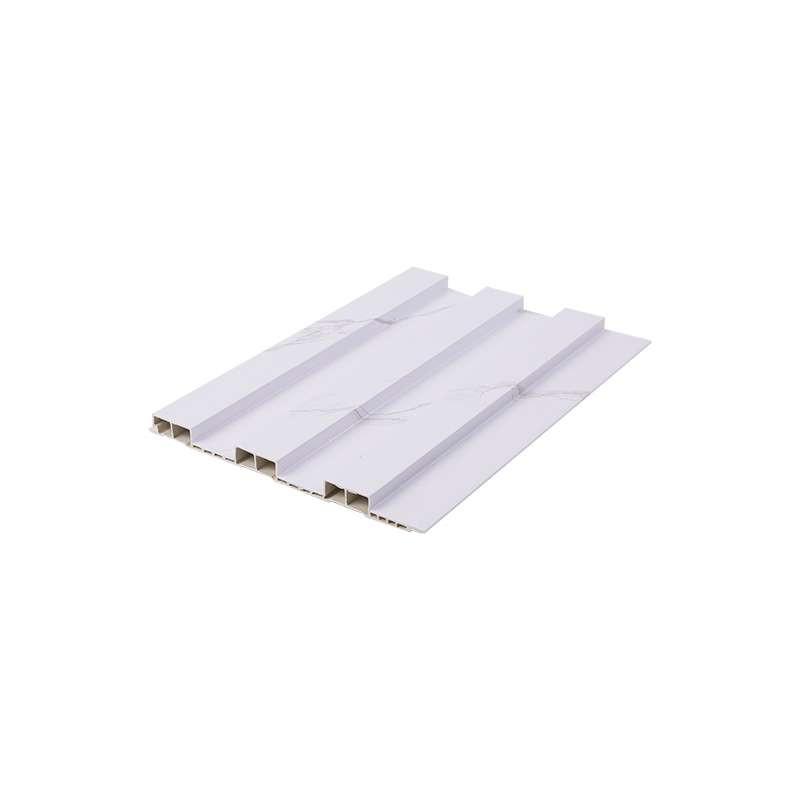
Glossy decorative wall panels — a higher-shine surface that reflects more ambient light, often used in reception areas or feature walls to create a more polished, contemporary appearance.
- 03
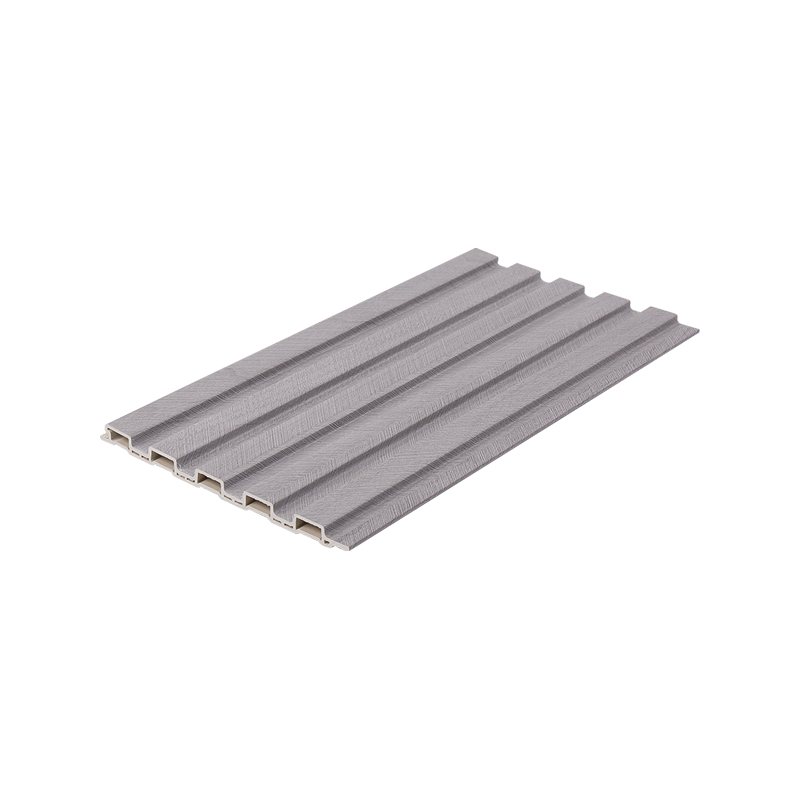
Embossed texture wall panels — panels pressed with a raised grain pattern so the surface can be felt as well as seen, adding a tactile quality closer to real wood.
- 04
Waterproof interior wall panels — a fully sealed PVC construction suited to bathrooms, kitchens, and other areas with regular exposure to moisture or splashing.
- 05
Fire resistant PVC wall sheets — panels formulated with flame-retardant additives, typically specified for commercial interiors where fire-rating compliance is required.
Matte and embossed finishes tend to read as more natural at close range, while glossy panels are usually reserved for smaller accent areas since a large glossy wall can visually amplify a room's other reflective surfaces. When comparing matte versus glossy PVC wall panels, room size and lighting direction generally matter more than personal preference alone.
Where are PVC wood veneer wall panels commonly used indoors?
Because the panels are moisture-tolerant, lightweight, and simple to install, they show up across a wide range of interior settings.
Living rooms
Feature walls behind seating or media units, adding warmth without structural changes.
Bedrooms
Headboard walls and wardrobe surrounds where a calm, wood-like tone is desired.
Hotel lobbies
Large-format cladding that keeps a consistent grain pattern across long wall runs.
Offices
Reception desks and meeting room walls that need a durable, easy-to-clean finish.
Commercial shops
Retail interiors where walls must withstand frequent contact and cleaning cycles.
In each of these settings, the panel is selected for the same underlying reason: it delivers the visual language of wood paneling in spaces where solid timber would be harder to maintain, more expensive to source at scale, or less tolerant of the building's humidity conditions.
What performance properties should PVC wood veneer wall panels provide?
A well-made interior wall panel should hold up to daily contact without dulling or discoloring. The core performance properties worth checking before specifying a product include:
- Waterproof wall panel material — a sealed PVC core that does not swell or delaminate when exposed to humidity or minor spills.
- Scratch resistant surface coating — a protective topcoat that limits visible marking from everyday contact, cleaning, or furniture movement.
- UV resistant indoor panel — a surface formulation that resists fading in rooms with strong natural light exposure over time.
- Easy installation wall system — tongue-and-groove or click-fit edges that reduce the need for wet trades during fitting.
- Low maintenance decorative material — a finish that can be cleaned with a damp cloth rather than specialized wood care products.
These properties are the reason PVC wall panels are frequently chosen over painted drywall or natural timber in high-traffic or moisture-prone rooms — the surface is designed to be functional first, decorative second.
How are PVC wood veneer wall panels manufactured?
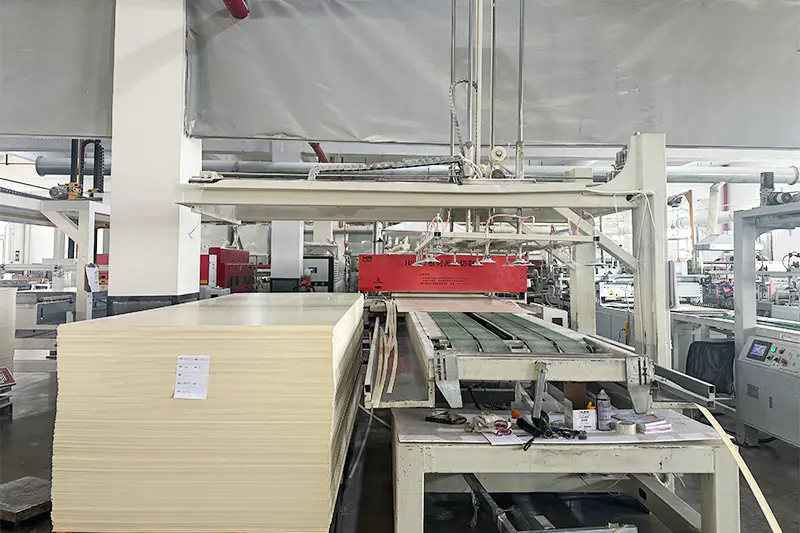
Production moves through a sequence of forming, laminating, and finishing steps that turn raw polymer into a ready-to-install decorative sheet.
-
PVC extrusion
Polymer resin is extruded into a flat or grooved base panel that forms the structural core of the product.
-
Wood grain lamination
A printed or textured film carrying the wood grain pattern is bonded to the extruded base using heat and pressure.
-
Hot pressing
The laminated sheet is pressed to fuse the decorative layer permanently to the PVC substrate, improving adhesion and surface uniformity.
-
Surface embossing
For textured lines, a roller stamps a raised grain pattern into the surface so the panel can be felt as well as seen.
-
Cutting and finishing
Panels are cut to standard sizes, edges are profiled for tongue-and-groove or click-fit installation, and a final quality check is performed before packaging.
How do PVC wood veneer wall panels compare with real wood and MDF panels?
Each wall material category carries its own trade-offs in cost, durability, and appearance. The table below outlines how PVC wood veneer panels generally compare with real wood and MDF wall panels across common selection criteria.
| Aspect | PVC Wood Veneer | Real Wood | MDF Panel |
| Moisture resistance | High | Low without sealing | Low |
| Weight | Lightweight | Heavy | Moderate |
| Maintenance | Wipe clean | Periodic refinishing | Careful cleaning needed |
| Natural grain variation | Simulated, consistent | Authentic, unique | None without veneer |
| Typical cost position | Mid-range | Higher | Lower to mid-range |
Real wood remains the reference point for authenticity — no synthetic surface fully replicates the depth of natural grain and the way it ages. MDF panels are often the most budget-friendly option but are more vulnerable to swelling in damp conditions unless veneered and sealed. PVC wood veneer panels sit between the two, offering wood-like appearance with better moisture tolerance than either alternative, which is why they are frequently specified for bathrooms, kitchens, and commercial interiors where humidity control cannot be guaranteed.
What are the limitations of PVC wood veneer wall panels?
No wall material is free of trade-offs, and PVC-based panels have a few worth planning around before specification.
- Thermal expansion: PVC can expand and contract slightly with temperature swings, so installation guidance around expansion gaps should be followed closely.
- Lower texture authenticity: even high-quality embossed finishes do not fully replicate the irregular depth of natural wood grain.
- Fire safety limitations: standard PVC formulations are less fire-resistant than treated wood or non-combustible materials, so fire-rated variants should be specified where required.
- Surface scratch vulnerability: harder impacts can chip or scratch the decorative layer, which is more difficult to spot-repair than solid wood.
- Recycling concerns: PVC is less straightforward to recycle at end of life compared with untreated timber offcuts.
What is the future trend of PVC wood veneer wall panels in interior design?
Interior material choices are increasingly shaped by sustainability expectations, modular construction methods, and demand for customization. Several directions are shaping where PVC wood veneer wall panels are heading next.
Manufacturers are exploring lower-impact additives and recyclable formulations to address environmental concerns without giving up the moisture resistance that makes the material useful. Modular click-together wall systems are also gaining traction in commercial fit-outs, where speed of installation and the ability to replace individual panels matter as much as appearance. As digital printing technology improves, expect more customizable grain patterns and finishes that let designers move beyond a limited catalog of standard wood tones.
 |
 |
Frequently Asked Questions
What are PVC wood veneer wall panels?
They are interior wall panels made from a PVC core finished with a wood-grain surface layer, designed to look like timber while resisting moisture and requiring less maintenance.
Are PVC wall panels waterproof?
Most PVC wood veneer panels use a sealed core that resists water absorption, making them suitable for kitchens, bathrooms, and other moisture-prone rooms.
Can PVC wall panels be used in bedrooms?
Yes, matte and embossed finishes are commonly used for bedroom feature walls and headboard surrounds because they give a calm, wood-like appearance.
How long do PVC wall panels last?
Service life depends on panel quality and installation conditions, but a well-installed panel with a protective topcoat can remain in good condition for many years of normal indoor use.
Are PVC wall panels better than wood?
Not strictly better — they trade some of the authenticity of real wood for improved moisture resistance and lower maintenance, which suits different rooms and budgets.
How do you install PVC wall panels?
Panels are typically fitted using tongue-and-groove or click-fit edges, sometimes combined with adhesive, allowing installation without extensive wet trade work.

 Tel:
Tel:
 E-mail:

