


 Español
 中文简体
中文简体 عربى
عربىArticle Directory
A UV interior wall panel is a decorative wall covering finished with a UV-cured coating that produces a high gloss, scratch resistant surface without the need for solvent-based lacquers. For interior designers, contractors, hotel renovation companies, and building material importers, UV panels have become a practical alternative to painted drywall and traditional tile in spaces that need both visual impact and long-term durability. This guide reviews the main panel types available on the market, the commercial and residential applications where they perform best, the technical properties worth evaluating before specification, and the installation and maintenance practices that keep a finished wall looking new for years.
Types of UV Interior Wall Panels
A useful starting point for any types of UV interior wall panels for decoration comparison is the surface finish, since this determines both appearance and how the panel performs in different lighting and traffic conditions.
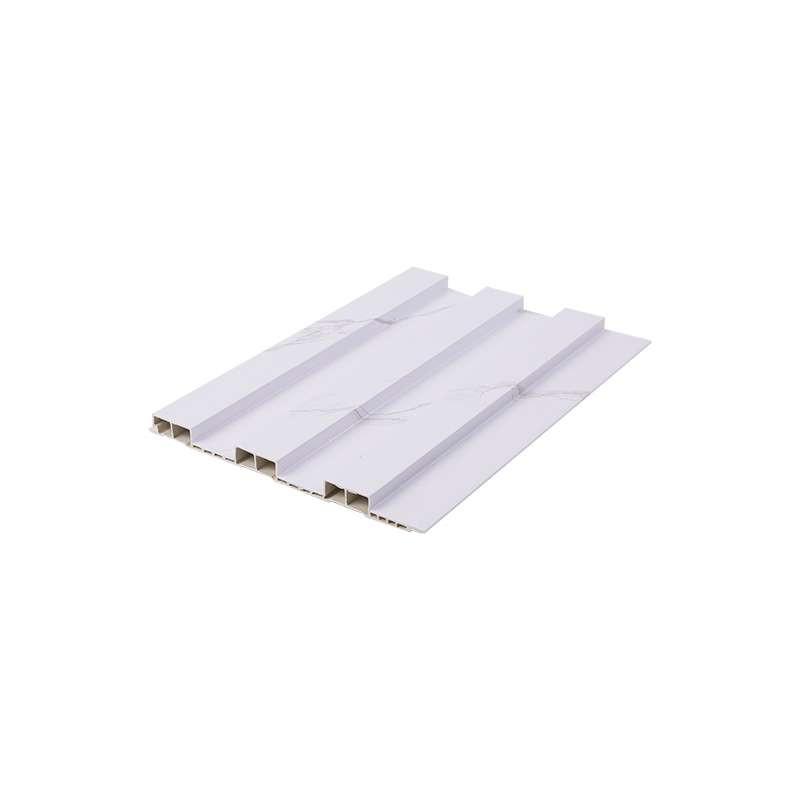
UV Marble Wall Panel
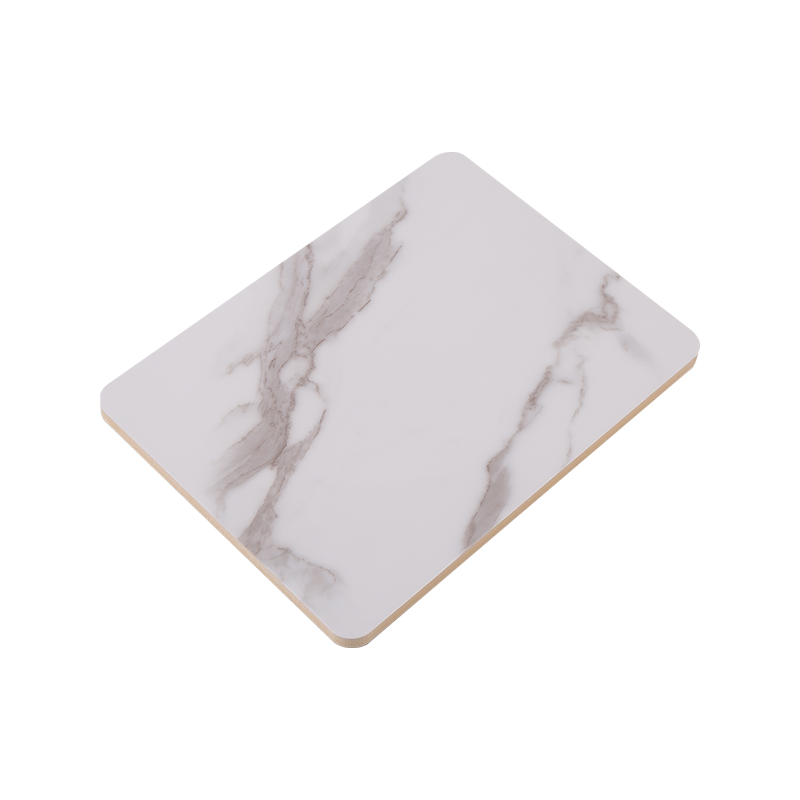
Printed with a marble or stone-effect pattern beneath a UV-cured topcoat, giving the visual depth of natural stone at a fraction of the installed weight.
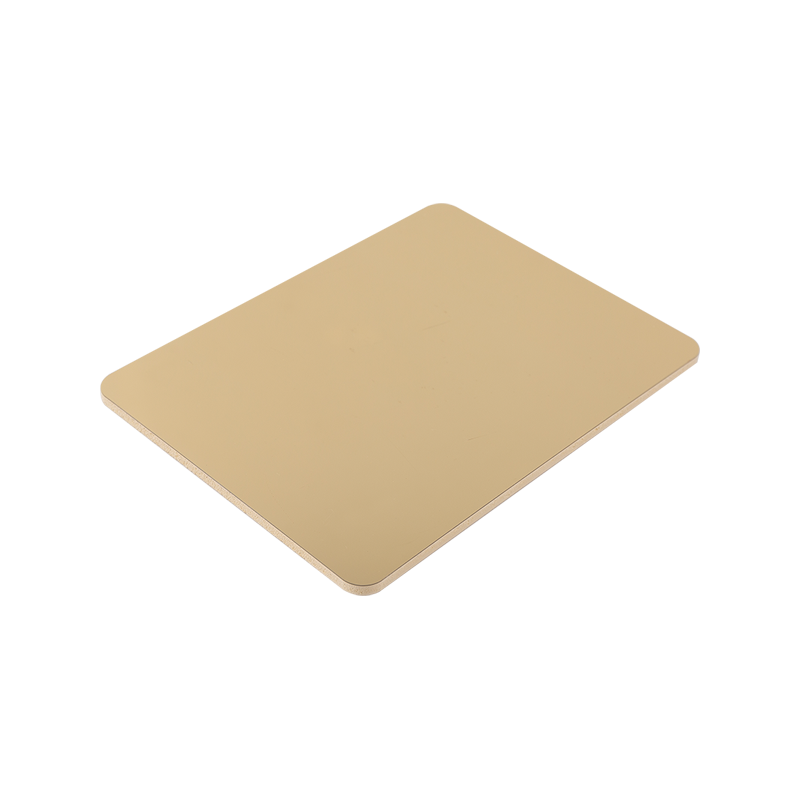
High Gloss Wall Panel
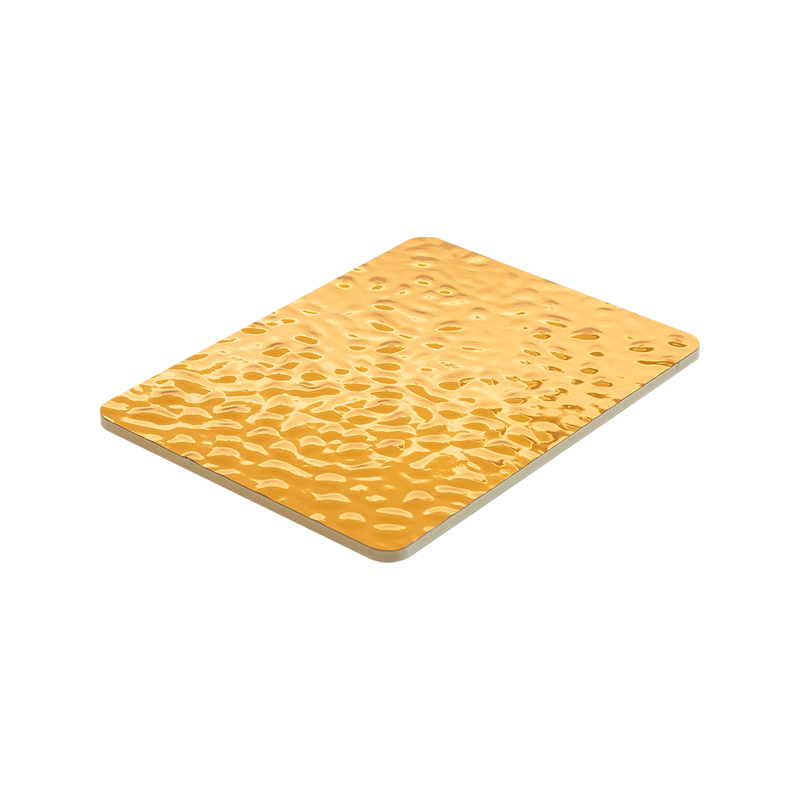
A mirror-like reflective surface produced by multiple UV coating layers, commonly used as a statement finish in feature walls and reception areas.
PVC UV Coated Panel
A lightweight PVC core with a UV-cured surface layer, valued for ease of cutting, low installed weight, and consistent finish across large runs.
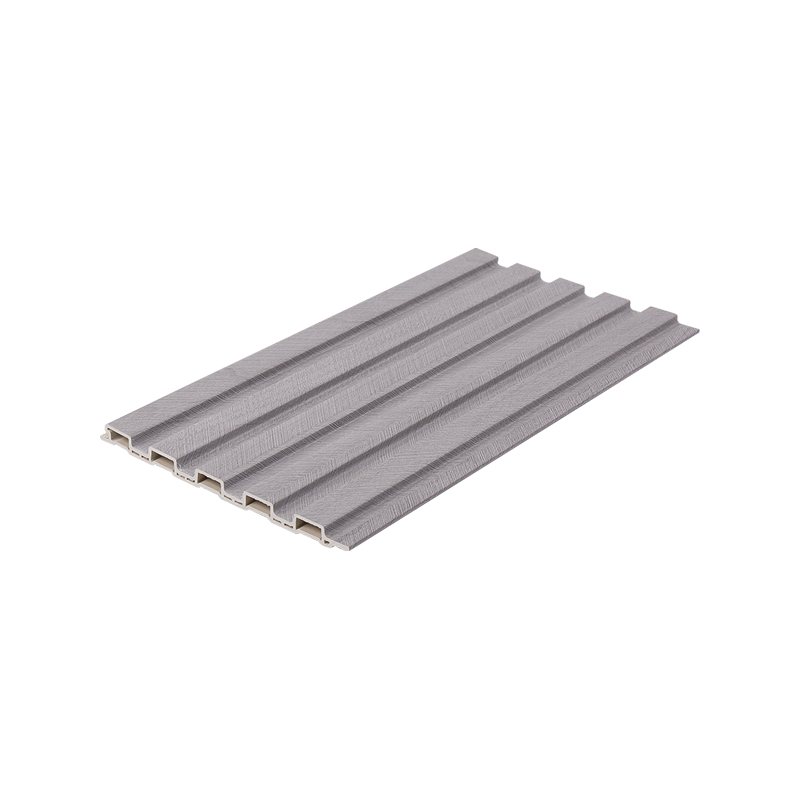
Decorative Interior Wall Panel
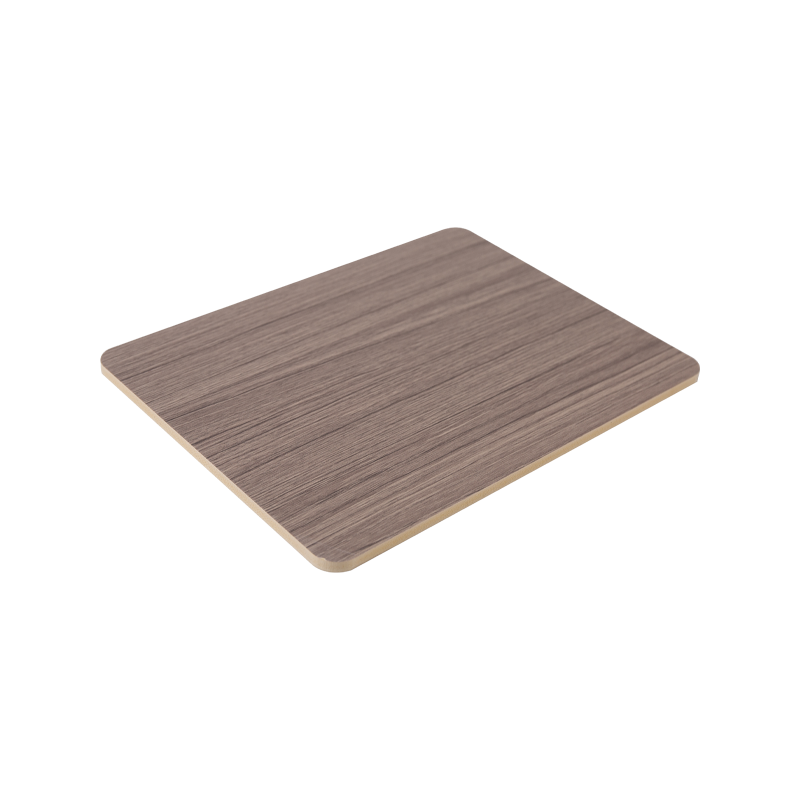
A broad category covering textured, wood-grain, and solid-color UV finishes designed primarily for aesthetic impact rather than a specific performance requirement.
High gloss UV marble wall panel applications typically call for a thicker coating layer to preserve depth and shine under direct lighting, while PVC UV coated decorative wall panel uses tend to prioritize consistency and cost efficiency across large-format commercial installations. A waterproof wall panel variant, built with a sealed core and edge treatment, extends the same UV finish options into higher-moisture environments where standard gypsum-backed panels would be unsuitable.
Applications of UV Interior Wall Panels
UV interior wall panels are specified across residential, hospitality, retail, and office projects, with the finish and substrate typically selected to match the traffic level and moisture exposure of the space.
Residential Interior Decoration
In home renovation projects, a high gloss wall panel for living room design is often chosen as a feature wall treatment behind a media unit or dining area, delivering a polished look without the labor cost of tiling or stone cladding. Residential interior decoration projects also use UV marble panels in entryways and powder rooms, where the reflective surface amplifies available light in smaller spaces.
Hotel and Hospitality Interiors
A UV interior wall panel for hotel decoration is commonly specified in corridors, lobby walls, and guest room feature walls, where consistent large-scale visual impact needs to be balanced against the durability demands of a high-traffic commercial environment. Hotel interior wall design projects benefit from UV coatings because the finish resists the scuffing and marking that occurs from luggage, housekeeping carts, and daily guest traffic far better than painted surfaces.
Retail and Commercial Cladding
UV wall panels for retail shop interiors serve both branding and durability functions, providing a clean backdrop for merchandising displays while withstanding frequent contact from shoppers and store fixtures. Retail store wall cladding projects often mix finishes, using high gloss panels for feature sections and matte or textured UV panels for surrounding walls to create visual hierarchy within the space.
A UV interior wall panel is a decorative wall covering finished with a UV-cured coating that provides scratch resistance, color stability, and a high gloss or textured surface without solvent-based lacquers.
Office and Workplace Interiors
PVC wall panel for office interior design applications typically favor a balance of moderate gloss and durability, since office environments see steady foot traffic and furniture movement but less abuse than retail or hospitality settings. Office Interior Panels are frequently used in reception areas and meeting rooms where a designed feature wall supports brand identity without the cost of custom millwork.
Broader Commercial Space Decoration
Decorative wall cladding for commercial spaces extends beyond these categories into restaurants, healthcare waiting areas, and coworking spaces, where the combination of design flexibility and low maintenance makes UV panels a practical fit across varied commercial interior programs.
Key Performance Properties Buyers Should Evaluate
Specifying the right UV interior wall panel requires looking at coating durability, surface hardness, water resistance, and fire performance alongside the visual finish.
Surface hardness that resists marking from daily contact, cleaning tools, and furniture movement.
A sealed panel core and coating that prevents moisture absorption in humid or splash-prone areas.
UV-cured layers that resist yellowing and maintain gloss level under consistent indoor lighting.
Core and coating materials rated to relevant interior fire safety standards for the intended building type.
Surface Hardness and Scratch Resistance
UV interior wall panel scratch resistance level is largely determined by the number and thickness of UV coating layers applied during manufacturing. A scratch resistant surface reduces the visible wear that accumulates in high-traffic corridors and commercial spaces, and high gloss wall panel durability performance in particular depends on this coating quality, since scratches are more visible on reflective finishes than on matte or textured surfaces.
Water Resistance and Core Construction
Waterproof PVC wall panel specification requirements typically call for a closed-cell or fully sealed core rather than a porous substrate, preventing moisture from penetrating at cut edges or panel joints. This matters most in bathrooms, kitchens, and hospitality back-of-house areas where humidity and occasional splashing are routine rather than exceptional conditions.
Color Stability and UV Coating Performance
UV coated panel color stability indoor use is generally strong compared to painted finishes, since UV curing produces a dense, cross-linked coating layer that resists the gradual yellowing seen in some solvent-based lacquers. Long lasting decorative wall panel quality depends on consistent coating application, and buyers evaluating suppliers should request finish samples aged under representative lighting conditions rather than relying on appearance alone.
Fire Retardant Considerations
A fire retardant interior panel is often required in commercial and hospitality projects subject to local building codes, and buyers should confirm relevant fire rating documentation for the specific panel core and coating combination being specified, since fire performance varies by substrate material and cannot be assumed from the decorative finish alone.
| Finish Type | Gloss Level | Best Suited For |
| UV Marble | High | Feature walls, lobbies |
| High Gloss Solid | Very High | Statement walls, reception areas |
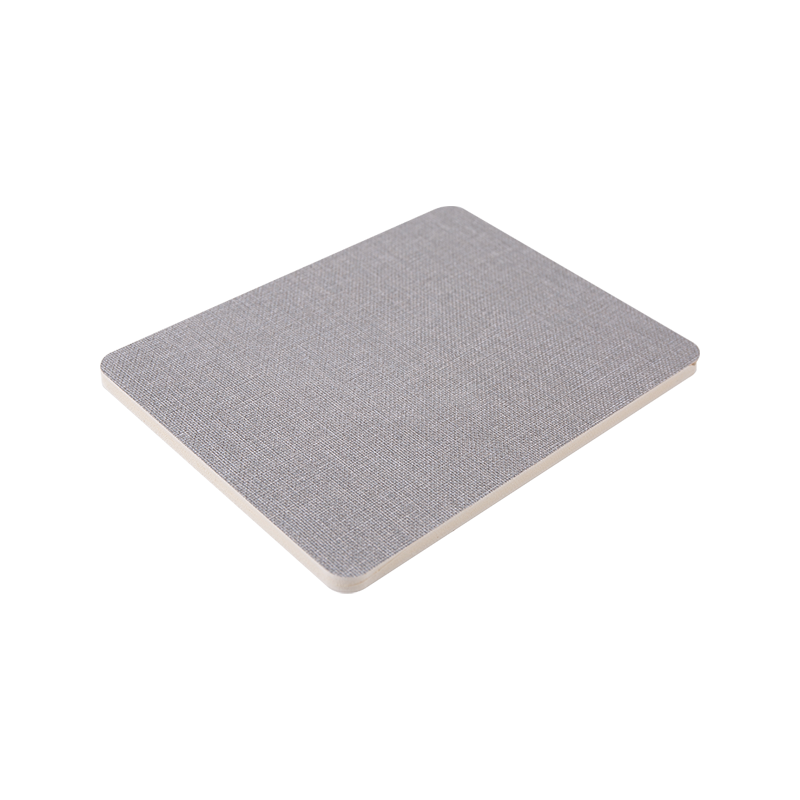
| Textured UV | Low-Medium | General walls, offices |
| Matte UV | Low | Understated commercial interiors |
Installation and Maintenance Considerations
Correct installation directly affects both the finished appearance and long-term performance of a UV interior wall panel, particularly around joints and edges.
- Prepare the wall surfaceEnsure the substrate is flat, dry, and clean, since a wall cladding installation system depends on consistent surface contact for adhesion.
- Plan panel layout and jointsMap panel placement in advance to manage joint seam alignment panels at corners and around fixtures for a clean visual result.
- Apply adhesive and position panelsFollow the adhesive wall panel installation method specified for the substrate type, pressing panels firmly and checking alignment before the adhesive sets.
- Finish joints and edgesSeal panel edges and joints appropriately, particularly in wet areas, to prevent moisture infiltration behind the panel surface.
How to install UV interior wall panel projects successfully generally comes down to preparation quality as much as the panels themselves, since an uneven substrate will telegraph through even a high-quality gloss finish. PVC UV wall panel installation guide recommendations typically call for consistent adhesive coverage rather than spot bonding, which reduces the risk of panel bowing over time. Interior maintenance cleaning is comparatively simple: how to clean high gloss wall panels usually involves a soft cloth with mild, non-abrasive cleaner, avoiding solvents that could dull the UV coating. Interior wall panel maintenance tips also include periodic inspection of joint seals in wet areas to catch any moisture intrusion before it affects the substrate.
FAQ
What is a UV interior wall panel?
A UV interior wall panel is a decorative wall covering with a UV-cured coating applied over a PVC or composite core, providing a durable, scratch resistant, and often high gloss surface for interior applications.
What is a UV marble wall panel used for?
UV marble wall panels are used to replicate the visual appearance of natural stone in feature walls, lobbies, and decorative interior sections, offering similar aesthetic depth at a lower installed weight and cost than genuine stone.
Are UV wall panels waterproof?
Many UV wall panels are built with a sealed, waterproof core suitable for bathrooms and other moisture-prone areas, though water resistance varies by product, so buyers should confirm the specific panel's water resistance rating before specifying it for wet areas.
How long do wall panels last?
Service life depends on coating quality, substrate material, and installation conditions, with well-manufactured UV panels generally maintaining their appearance and performance over many years of normal indoor use.
Can UV wall panels be used in bathrooms?
Waterproof-rated UV wall panels with a sealed core are suitable for bathroom use, provided joints and edges are properly sealed during installation to prevent moisture from reaching the substrate behind the panel.
How do you clean UV wall panels?
UV wall panels are typically cleaned with a soft cloth and mild, non-abrasive cleaner, avoiding solvent-based products that can dull or damage the UV-cured coating over repeated cleaning cycles.
Final Thoughts
Choosing the right UV interior wall panel depends on matching the coating finish, substrate type, and water and fire performance to the specific demands of the project, whether that is a residential feature wall or a high-traffic hotel corridor. High gloss and marble-effect finishes deliver strong visual impact for feature applications, while textured and matte UV panels suit broader wall coverage in commercial interiors. Across all applications, coating quality, core construction, and correct installation remain the deciding factors in how well a UV interior wall panel balances aesthetics with long-term durability.

 Tel:
Tel:
 E-mail:

