


 Español
 中文简体
中文简体 عربى
عربىArticle Directory
- 1 1. The Engineering of Tongue-and-Groove Interlocking Systems
- 2 2. Quantitative Labor Cost Reductions in Large-Scale Projects
- 3 3. Technical Durability and Maintenance Savings
- 4 4. Simplified Logistics and Site Management
- 5 5. Conclusion: A Modern Solution for High-Efficiency Construction
- 6 Frequently Asked Questions (FAQ)
- 6.1 1. Is the interlocking wall panel installation steps difficult for a DIYer?
- 6.2 2. How to install bamboo wood fiberboard on uneven walls?
- 6.3 3. What is the lifespan of bamboo wood fiber wall board in humid climates?
- 6.4 4. What is the best adhesive for bamboo wood fiber wall board?
- 6.5 5. Why choose bamboo wood fiber over traditional wood?
- 7 Industry References
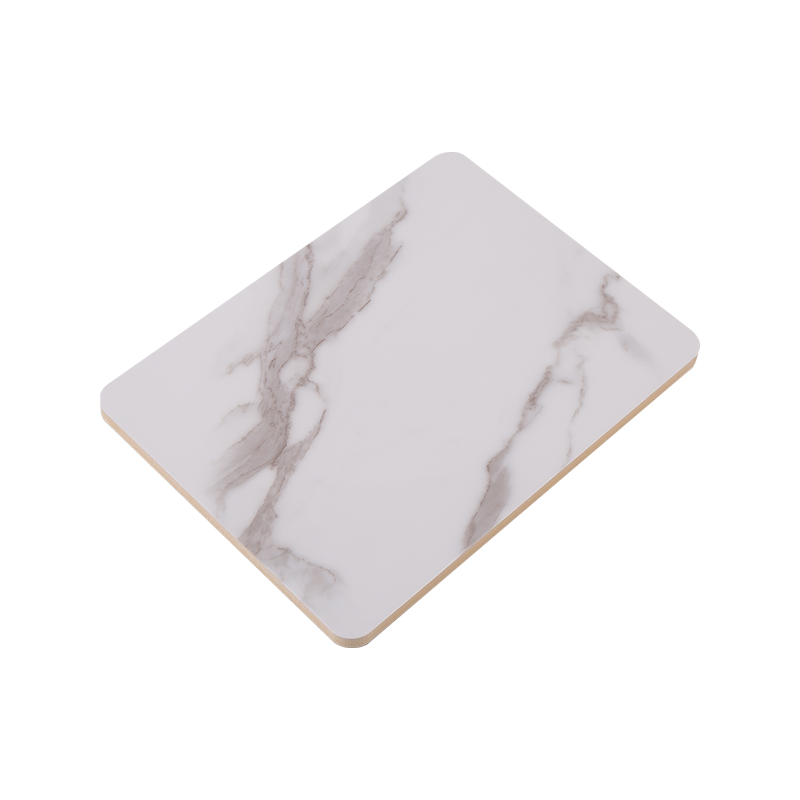
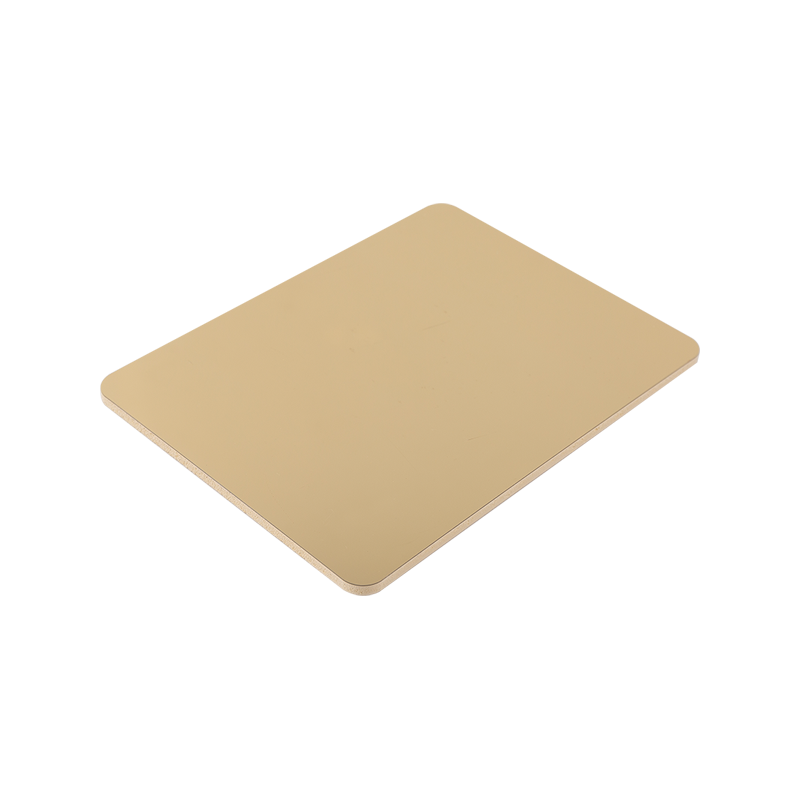
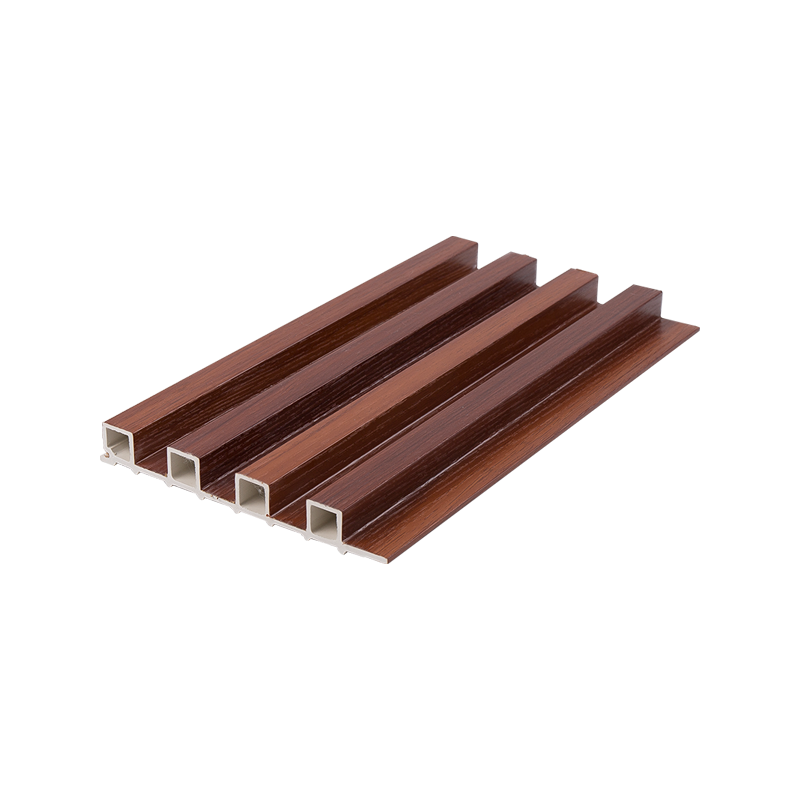
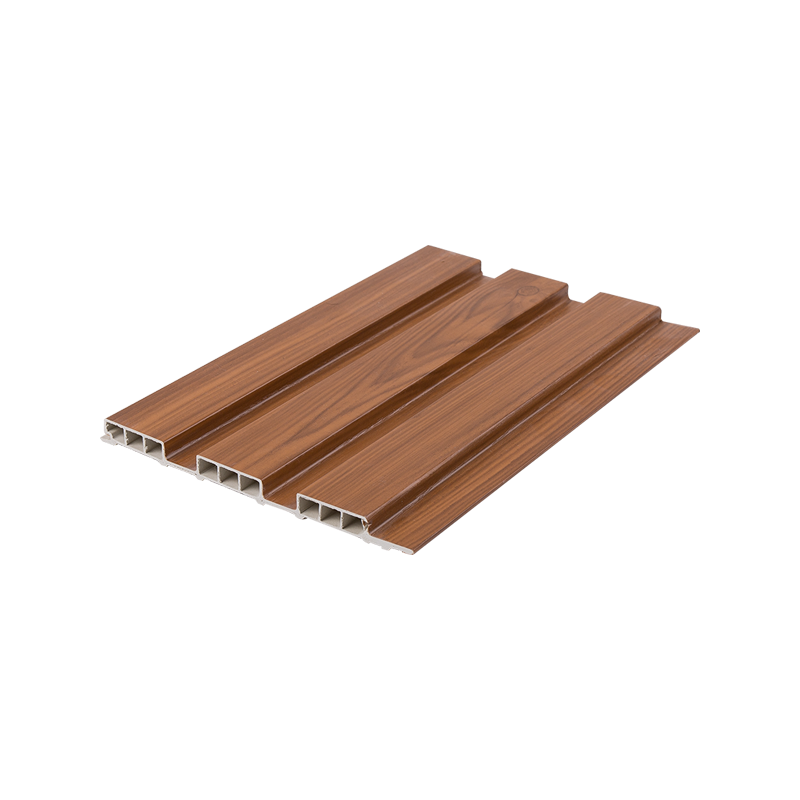
In the evolving landscape of interior design, the demand for sustainable and rapid-installation materials has led to the prominence of bamboo wood fiber wall board. Unlike traditional drywall or ceramic tiling, these composite panels utilize an advanced tongue-and-groove mechanism that simplifies structural assembly. Haining Jiazhimeng Integrated Home Co., Ltd., located in Haining City, Zhejiang Province, has been at the forefront of this industry since 2006. With 17 years of experience in interior decoration materials and specialized R&D in WPC since 2013, we have perfected the production of high-performance bamboo wood fiber wall board. Our advanced technology focuses on creating seamless, interlocking systems that empower contractors to deliver high-quality results with significantly less effort and time.
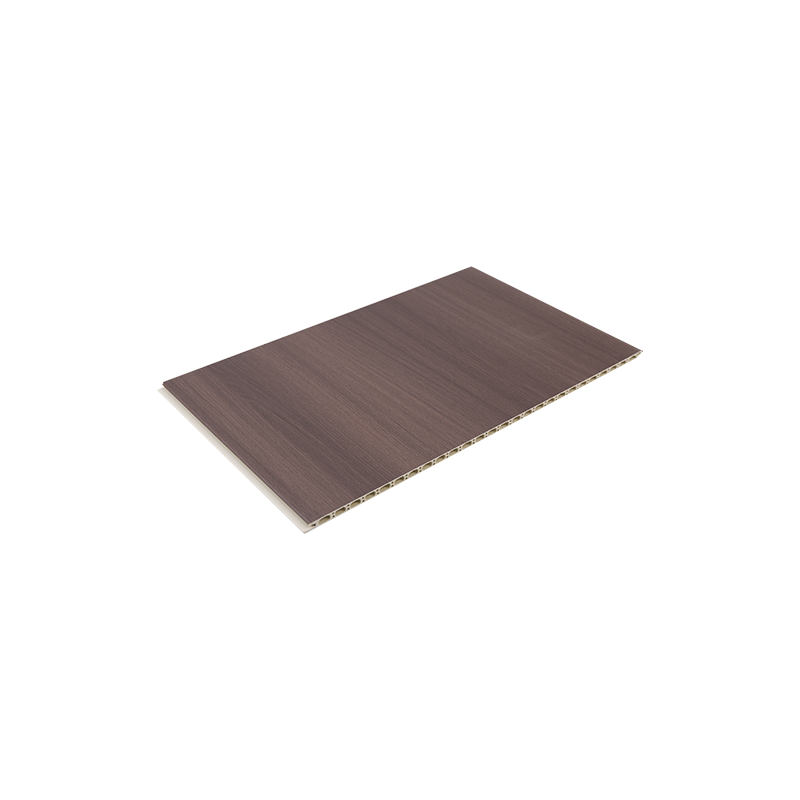
1. The Engineering of Tongue-and-Groove Interlocking Systems
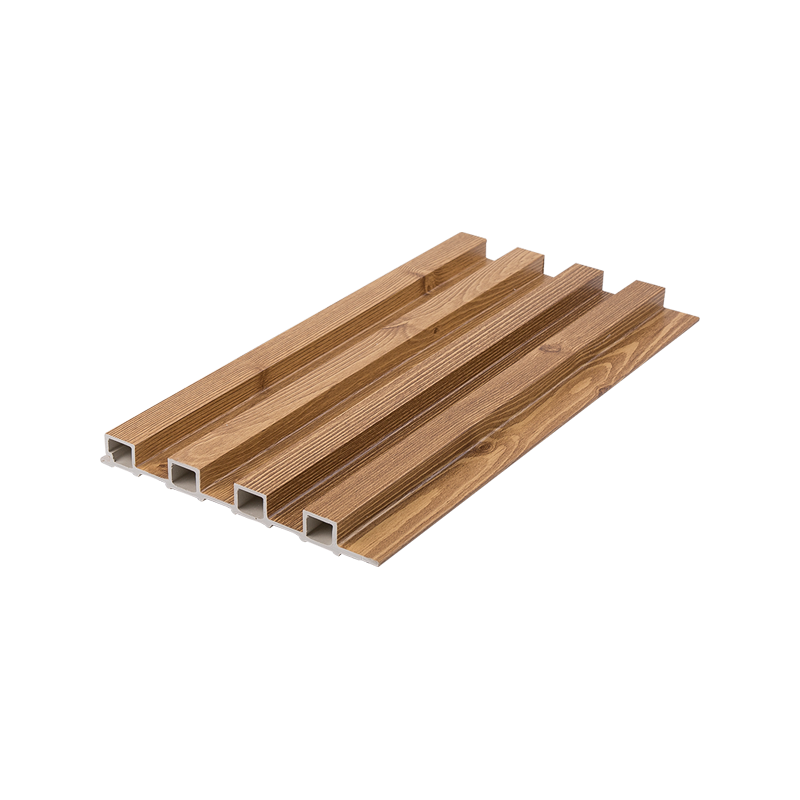
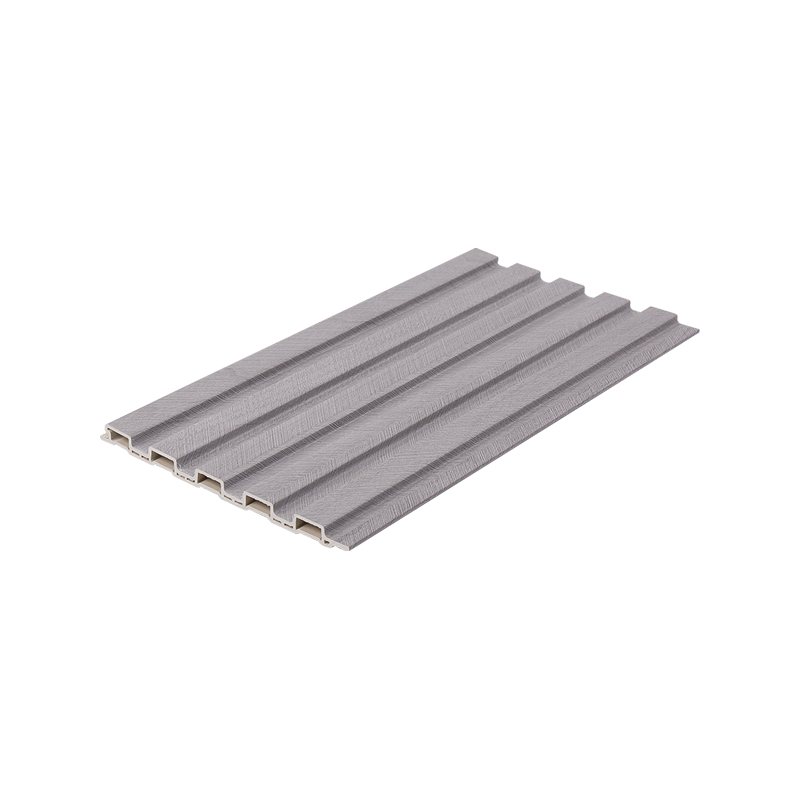
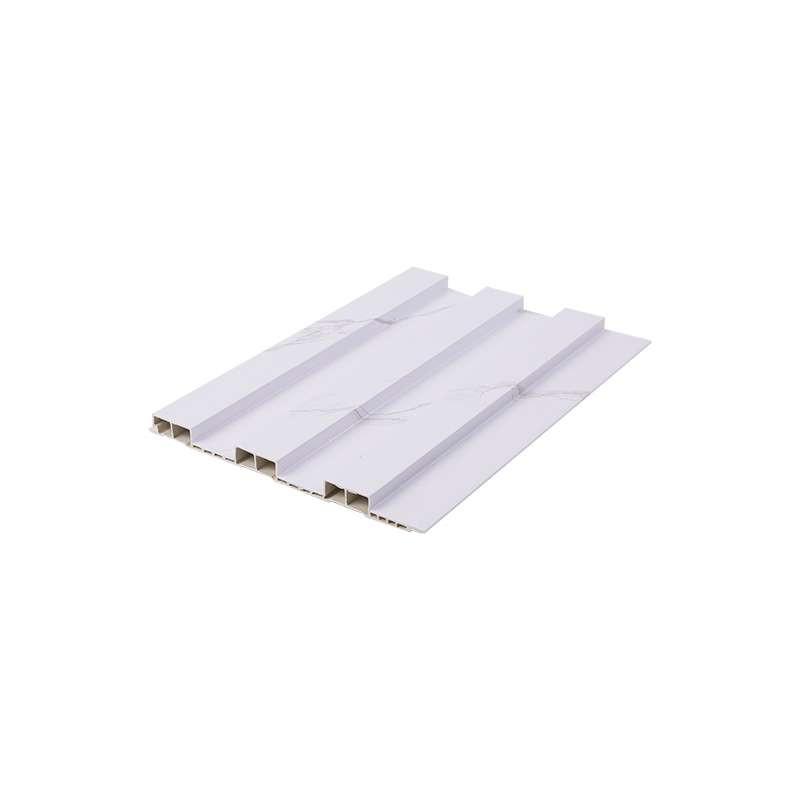
The primary innovation behind bamboo wood fiber wall board is its precision-engineered interlocking joint. This system allows panels to slide into one another, creating a tight, flush fit that eliminates the need for gap-filling agents or extensive surface finishing. When evaluating how to install bamboo wood fiberboard on uneven walls, the rigid composite nature of the board allows it to bridge minor surface irregularities, whereas traditional paint or wallpaper would require a perfectly level substrate. This structural independence saves hours of wall preparation. While traditional wood paneling requires intricate joinery, the interlocking wall panel installation steps for bamboo fiber composites are designed for "plug-and-play" simplicity.
Comparison: Interlocking WPC vs. Traditional Drywall
The interlocking system removes several labor-intensive stages of construction, such as mudding, sanding, and multiple coats of paint, which are mandatory for drywall.
| Installation Phase | Traditional Drywall/Plaster | Bamboo Wood Fiber Wall Board |
| Surface Preparation | High (Must be perfectly flat) | Low (Can bridge minor defects) |
| Joining Method | Tape, Joint Compound, Sanding | Integrated Tongue-and-Groove |
| Post-Process Finishing | Priming and Painting required | Pre-finished (No painting needed) |
2. Quantitative Labor Cost Reductions in Large-Scale Projects
For commercial developers and homeowners alike, the cost-effectiveness of bamboo fiber wall panels is most visible in the reduction of man-hours. Traditional wall finishes often require specialized tradespeople—plasterers, painters, and carpenters—to work in sequence. A bamboo wood fiber wall board system can be installed by a single versatile team. Because the panels are pre-finished, the "occupancy ready" time is immediate. Furthermore, the benefits of waterproof bamboo wood fiber wallboard mean that no additional waterproofing membranes are required in humid environments, further cutting material and labor expenses. Haining Jiazhimeng Integrated Home Co., Ltd. provides a one-stop factory service, ensuring that matching lines and lamp strips are compatible, which prevents installation delays caused by mismatched accessories.
Comparison: Time-to-Completion for 100 Square Meters
A standardized interlocking system allows for a drastically compressed construction timeline compared to traditional multi-stage methods.
| Task Description | Traditional Method (Days) | Interlocking Wall Board (Days) |
| Structural Mounting | 2 - 3 Days | 1 Day |
| Curing/Drying Time | 3 - 5 Days | 0 Days |
| Final Finishing | 2 - 3 Days | Integrated in installation |
| Total Time | 7 - 11 Days | 1 - 2 Days |
3. Technical Durability and Maintenance Savings
Beyond the initial installation, the bamboo wood fiber wall board interlocking system contributes to long-term cost savings through structural stability. The tight seal between panels prevents moisture from penetrating the substrate, which is a common cause of mold in traditional wall systems. Understanding what is the lifespan of bamboo wood fiber wall board is key for engineers; these panels are designed to last over 20 years without fading or warping. Unlike wallpaper that peels or paint that chips, the bamboo fiberboard vs PVC wall panels debate often highlights that bamboo fiber offers superior thermal stability and impact resistance, reducing the frequency of repairs and professional maintenance.
4. Simplified Logistics and Site Management
The interlocking design also optimizes on-site logistics. Because the eco-friendly interior wallboard is lightweight yet rigid, it is easy to handle without heavy machinery. Haining Jiazhimeng Integrated Home Co., Ltd. exports these products globally, from Southeast Asia to Australia, emphasizing the best adhesive for bamboo wood fiber wall board to ensure the interlocking system remains permanent under various climatic conditions. By providing a "convenience and worry-free" service, we allow partners to source the panels along with supporting lamp strips and decorative lines in one place, minimizing the complexity of managing multiple vendors on a job site.
Key Technical Advantages of Jiazhimeng Wallboards:
- Precision Extrusion: Ensures the tongue-and-groove joints fit perfectly every time.
- High Density: Provides acoustic insulation while remaining easy to cut and nail.
- Fire Retardant: Meets B1 level safety standards for public and residential buildings.
- Sustainable Composition: Utilizes bamboo fibers and recycled polymers to reduce carbon footprint.
5. Conclusion: A Modern Solution for High-Efficiency Construction
The interlocking system of bamboo wood fiber wall board is more than just a convenience; it is a structural innovation that addresses the modern need for speed, sustainability, and cost-control. By reducing the reliance on multi-stage labor and eliminating the need for post-installation finishing, this system provides a superior ROI for interior decoration. Haining Jiazhimeng Integrated Home Co., Ltd. continues to leverage its 17 years of expertise to provide customized, high-quality wall products that achieve win-win results for partners across the globe.
Frequently Asked Questions (FAQ)
1. Is the interlocking wall panel installation steps difficult for a DIYer?
While professional installation is recommended for large projects, the system is designed to be intuitive. If you can use a level and a saw, the tongue-and-groove mechanism makes alignment very straightforward.
2. How to install bamboo wood fiberboard on uneven walls?
For slightly uneven walls, the boards can be installed using a light keel or frame system (studs). This creates a new, perfectly flat surface without needing to scrape or level the original wall.
3. What is the lifespan of bamboo wood fiber wall board in humid climates?
In high-humidity areas like Southeast Asia, the boards last significantly longer than wood or drywall because they are moisture-proof and termite-resistant, with a typical lifespan exceeding 20 years.
4. What is the best adhesive for bamboo wood fiber wall board?
We recommend high-strength neutral structural adhesive or nail-free glue. This ensure a permanent bond with the substrate while allowing the interlocking joints to remain tight.
5. Why choose bamboo wood fiber over traditional wood?
Bamboo fiberboard offers the aesthetic of wood but is eco-friendly interior wallboard that does not rot, warp, or require regular staining. It also reaches the B1 fire-retardant level, which natural wood cannot achieve without expensive treatments.
Industry References
- ASTM D7031: Standard Guide for Evaluating Mechanical and Physical Properties of Wood-Plastic Composite Products.
- ISO 178: Determination of flexural properties of polymer composites.
- GB/T 24137: National Standard of the People's Republic of China for Wood-Plastic Composites.
- Haining Jiazhimeng Internal R&D: 17-Year Case Study on Interior Composite Durability.

 Tel:
Tel:
 E-mail:

