


 Español
 中文简体
中文简体 عربى
عربىArticle Directory
Interior projects increasingly choose between two very different paths to a wood-look wall: a PVC wood veneer wall panel engineered for moisture resistance and fast installation, or traditional wood wall cladding prized for its authentic natural texture. The right choice depends on the environment, the budget, and how much natural variation the project actually needs.
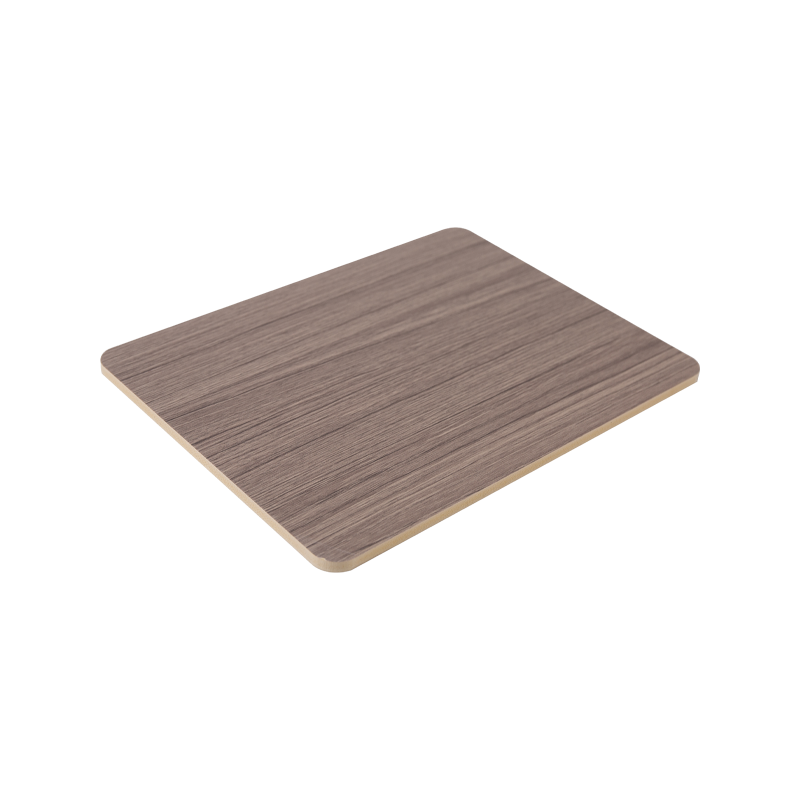
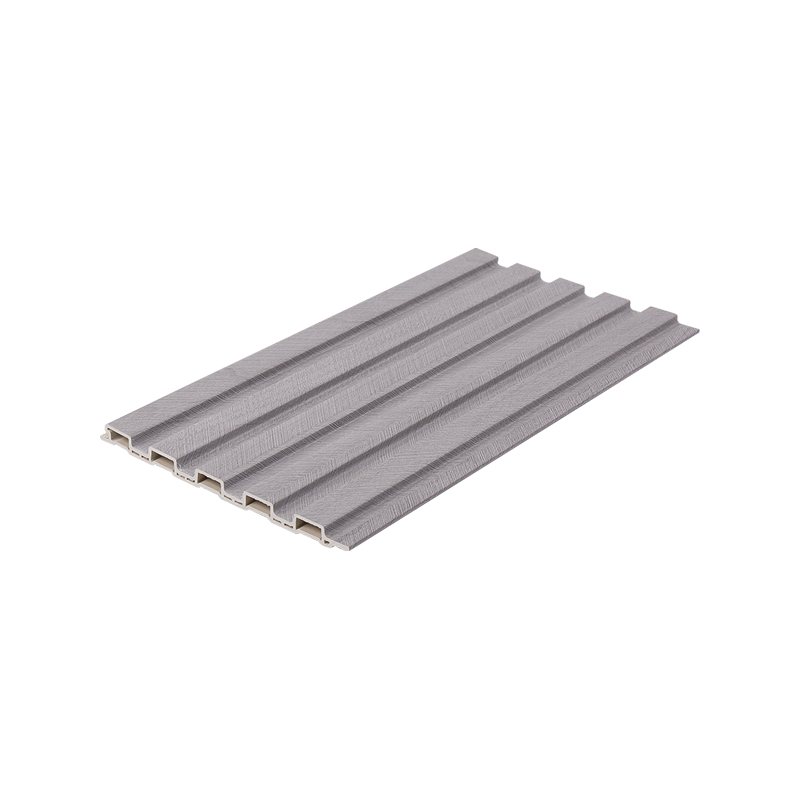
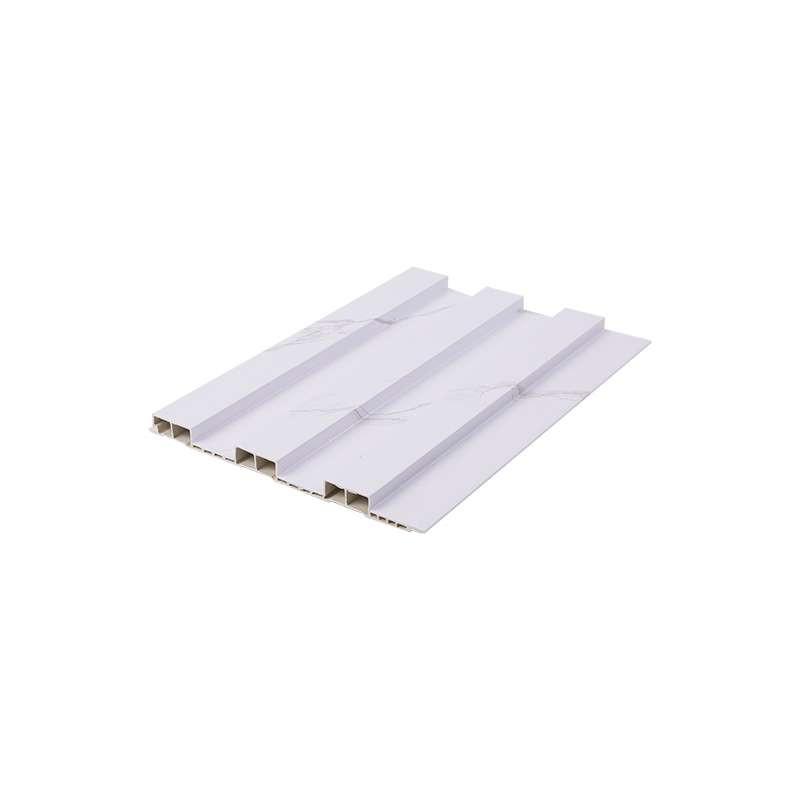
PVC Wood Veneer Wall Panel
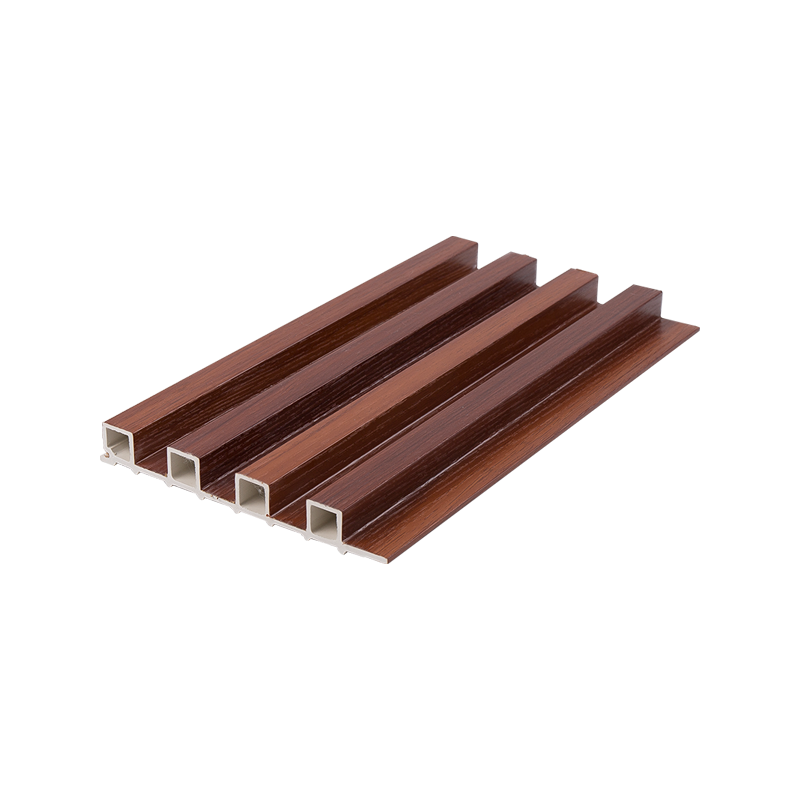
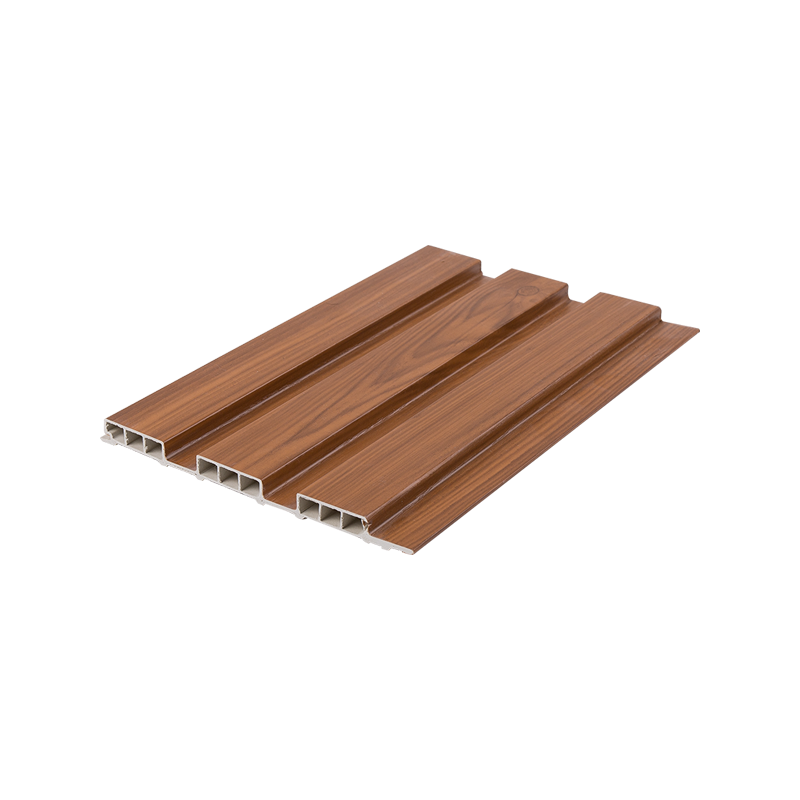
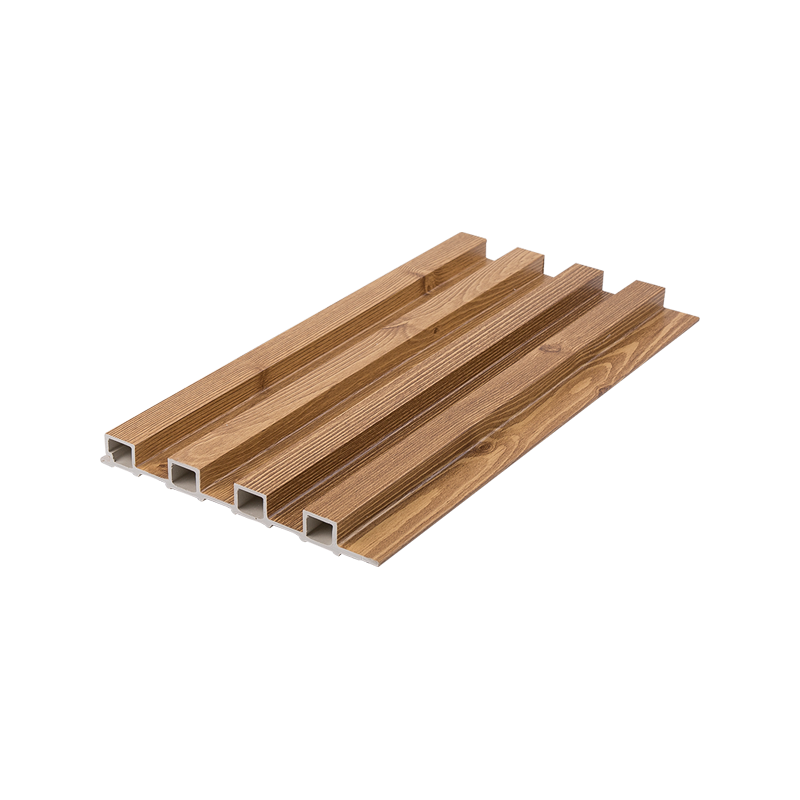
A decorative interior wall material combining a PVC-based structure with a wood grain finish, built for moisture resistance, easy maintenance, and installation flexibility.
Traditional Wood Wall Cladding
Natural wood used to create a warm, authentic interior appearance, valued for unique grain patterns and a premium, classic feel.
Why PVC panels are gaining ground
Modern interior projects need materials that balance appearance, performance, and installation efficiency, and designers increasingly look for wood-like aesthetics without the practical limitations of natural wood.
- Better moisture resistance in humid or high-traffic areas
- Faster, lighter installation than solid wood cladding
- Lower ongoing maintenance requirements
- Greater design flexibility across large wall areas
- More predictable cost control for larger projects
Key differences at a glance
| Factor | PVC Wood Veneer Wall Panel | Traditional Wood Wall Cladding |
| Material | PVC structure with wood grain finish | Natural wood |
| Appearance | Wood-like decorative surface | Authentic wood texture |
| Water Resistance | High | Requires protection |
| Maintenance | Low maintenance | Regular care may be needed |
| Installation | Lightweight and convenient | More complex |
| Cost Control | More flexible | Usually higher material cost |
A wall panel only performs as well as its resistance to the environment it's installed in — waterproof wall panels remove the moisture risk that natural wood carries into bathrooms, kitchens, and other humid interiors.
Installation and upkeep compared
A PVC panel installs faster because its lightweight structure suits renovation projects with limited downtime, and day-to-day upkeep stays simple since the surface resists common stains and needs no polishing. Traditional wood cladding requires more surface preparation before installation and periodic protective treatment afterward, with its long-term look depending heavily on wood species and finishing method.
Design flexibility and where each material fits
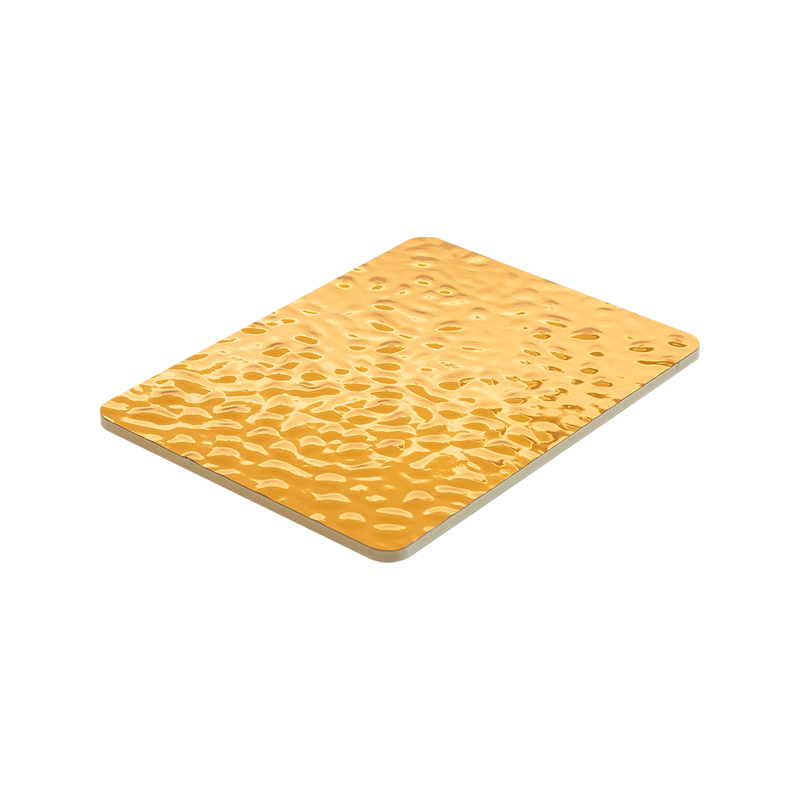
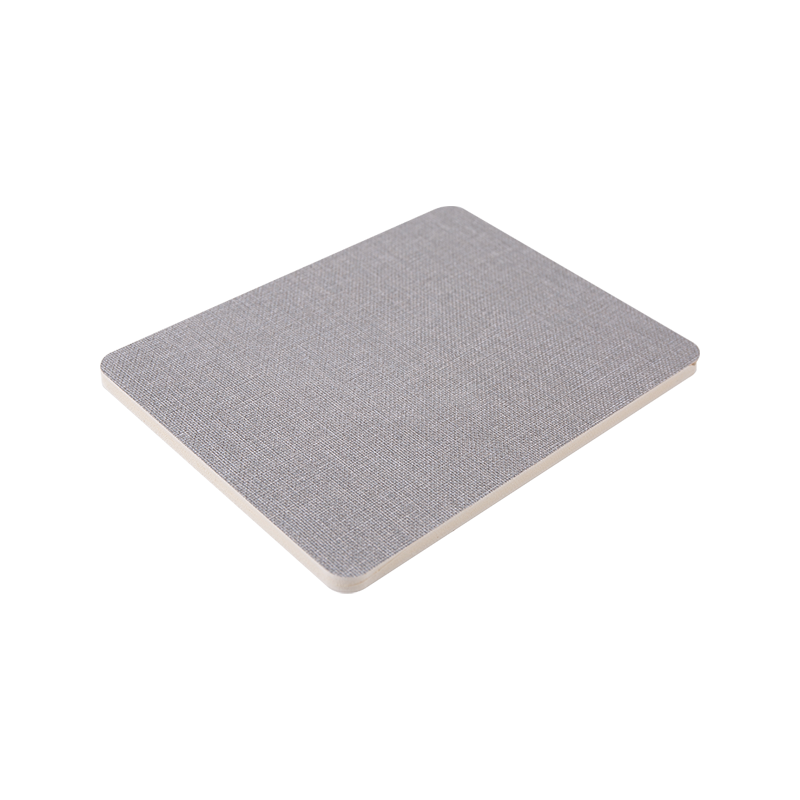
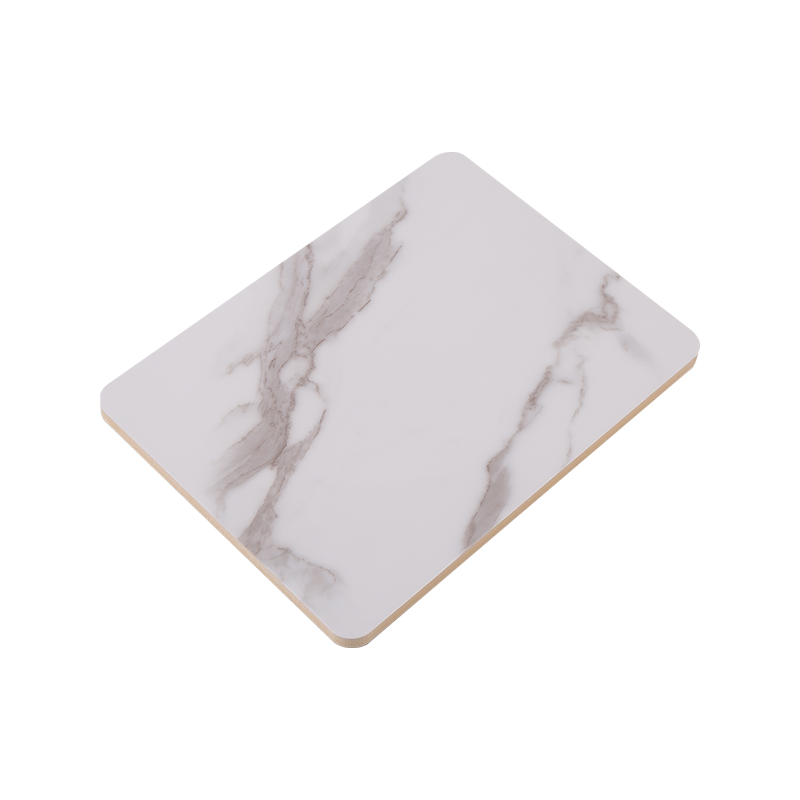
PVC wood veneer wall panel systems offer a wide range of wood grain patterns and finishes with a consistent appearance across large surfaces, making them a strong fit for modern interiors and commercial decoration projects. Traditional wood wall cladding brings unique natural variation and a premium visual effect better suited to luxury interiors and classic design styles. Both appear across residential feature walls, commercial offices and retail spaces, and hospitality projects such as hotels and restaurants, with the deciding factor usually coming down to moisture exposure, project timeline, and budget.
How PVC wood veneer wall panels are made
Which material should you choose
Choose PVC Panels When
The project involves moisture-prone environments, fast renovation timelines, cost-sensitive budgets, or large-scale commercial installations.
Choose Wood Cladding When
The project is a premium residential space with a preference for natural material and a luxury or classic interior design direction.
Interior wall cladding is trending toward more realistic wood textures, environmentally conscious materials, and faster installation systems, which continues to narrow the visual gap between the two options while keeping their practical differences intact.

 Tel:
Tel:
 E-mail:

