


 Español
 中文简体
中文简体 عربى
عربىArticle Directory
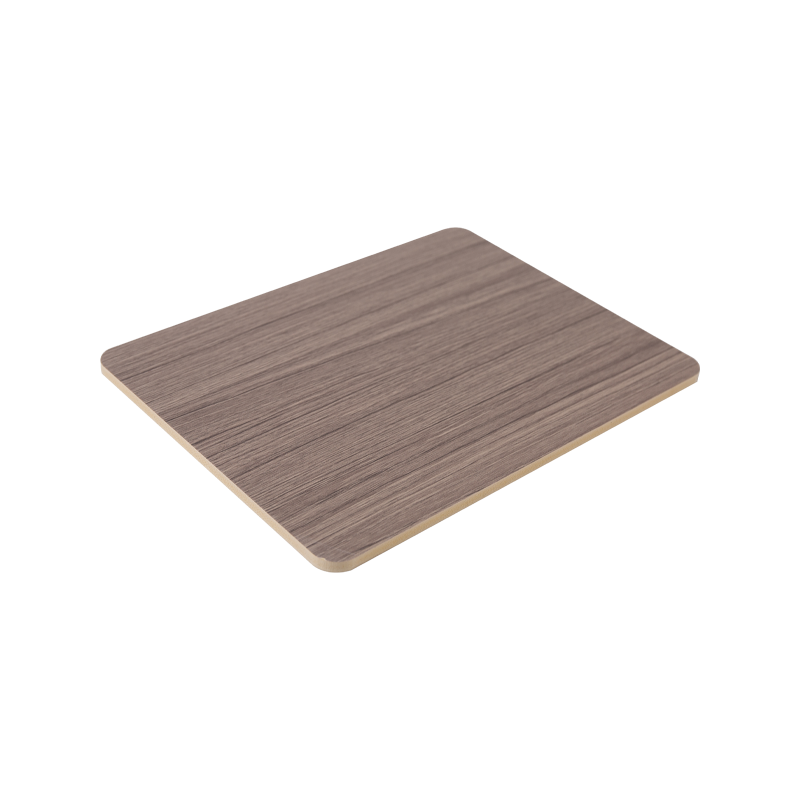
PVC wood veneer wall panels are a high-performance interior cladding solution that merges the organic warmth of natural wood with the industrial resilience of polyvinyl chloride (PVC). Unlike traditional timber, these panels are 100% waterproof, termite-proof, and fire-retardant, making them a superior choice for environments prone to moisture or heavy wear. They provide a cost-effective, luxury finish that eliminates the high maintenance costs and structural vulnerabilities associated with authentic wood.
The Technical Composition of PVC Wood Veneer
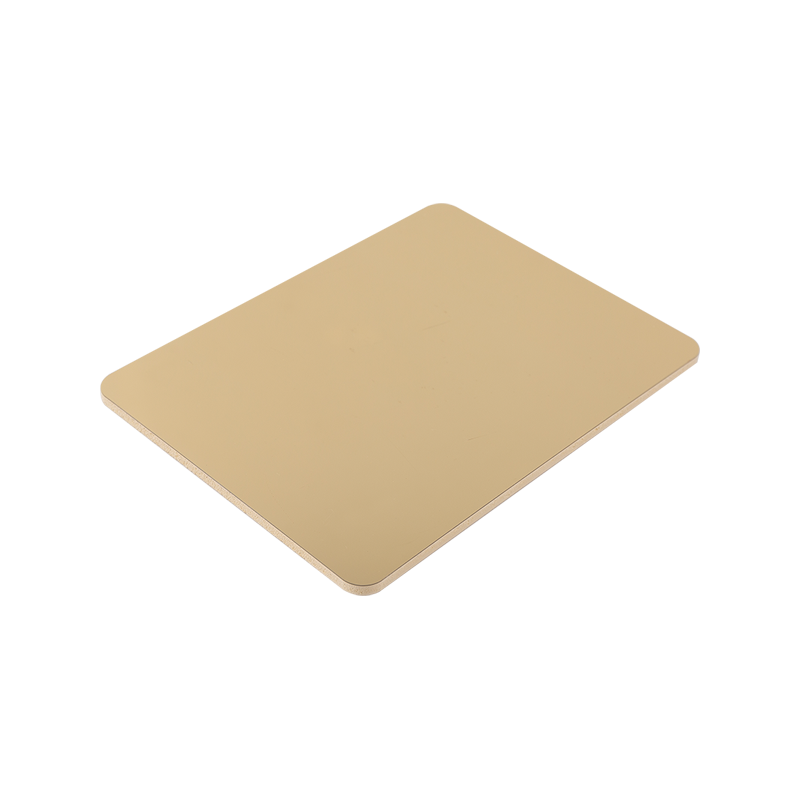
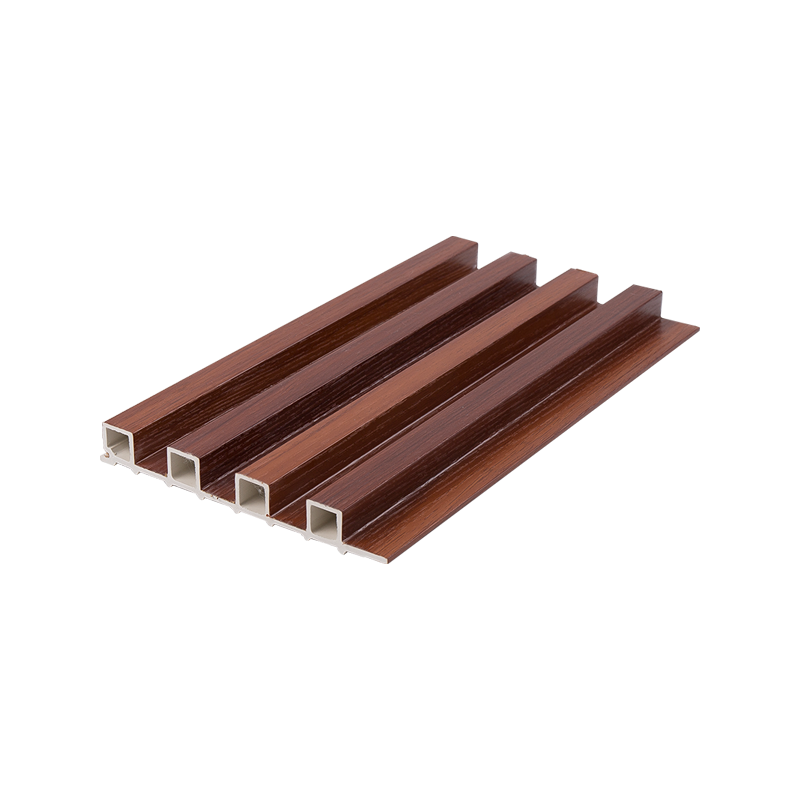
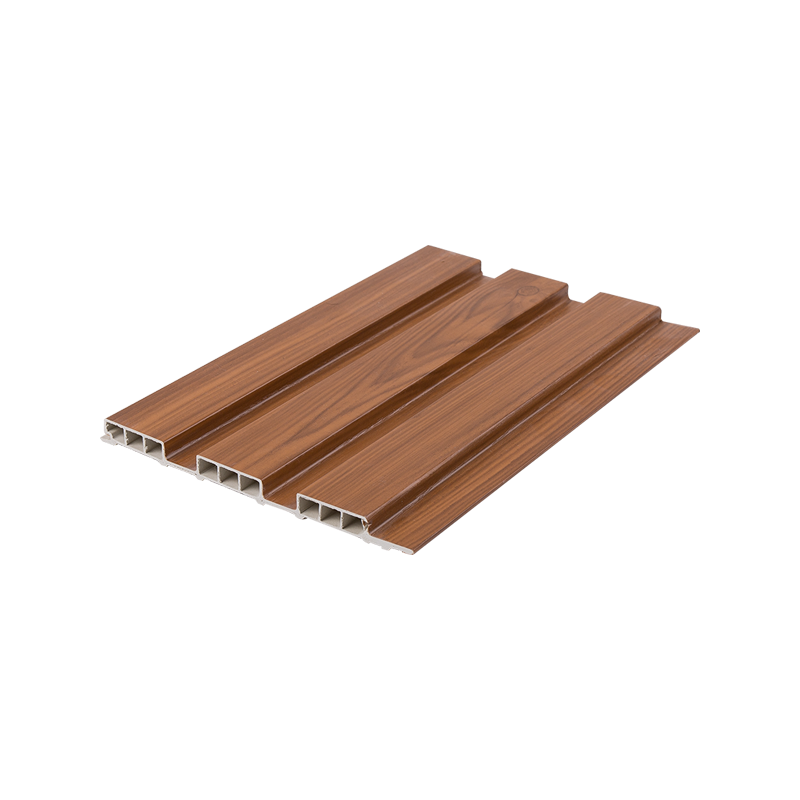
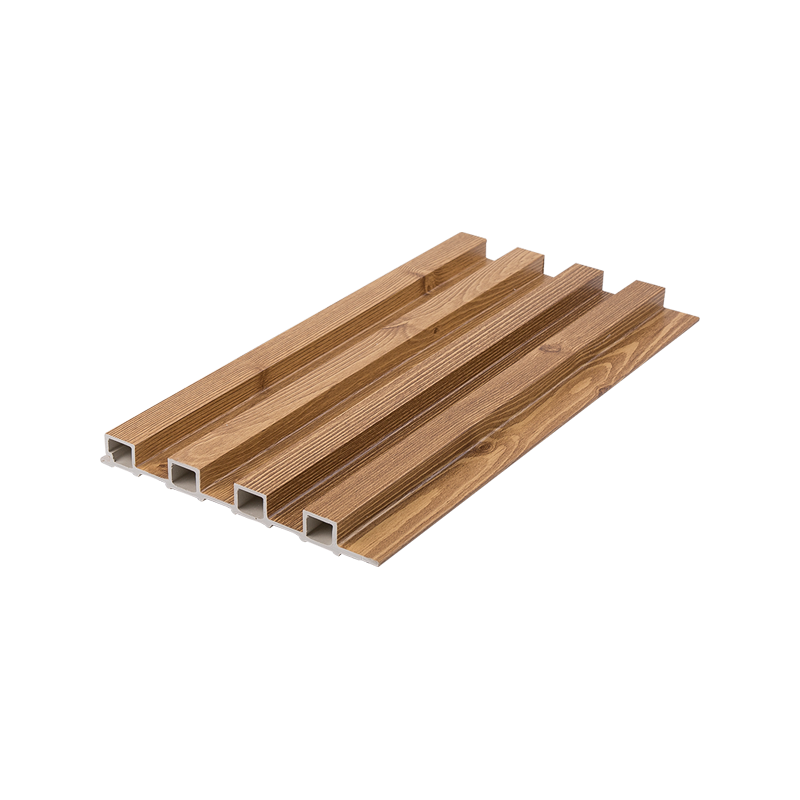
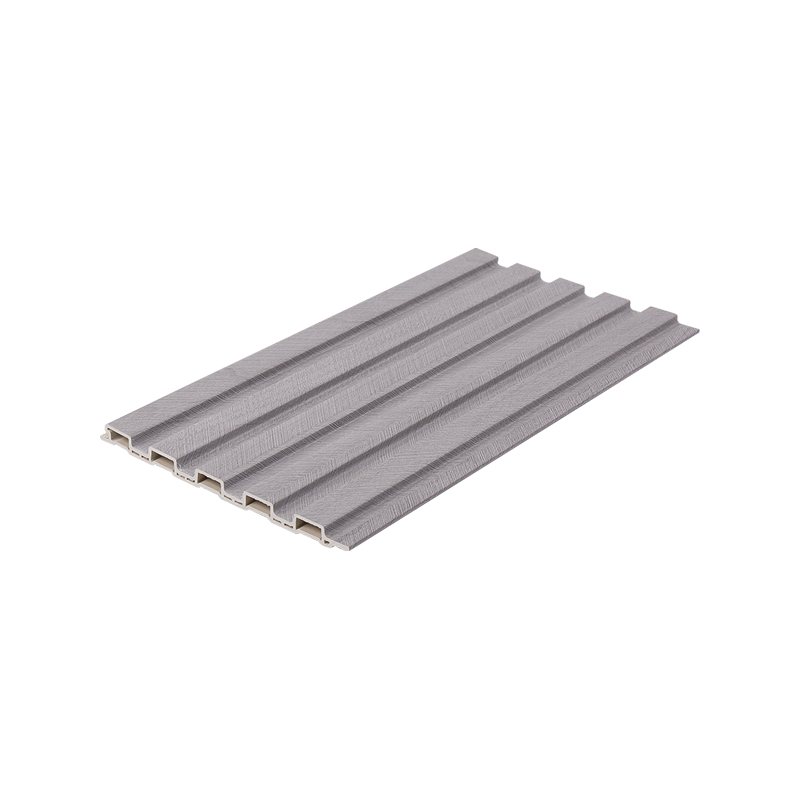
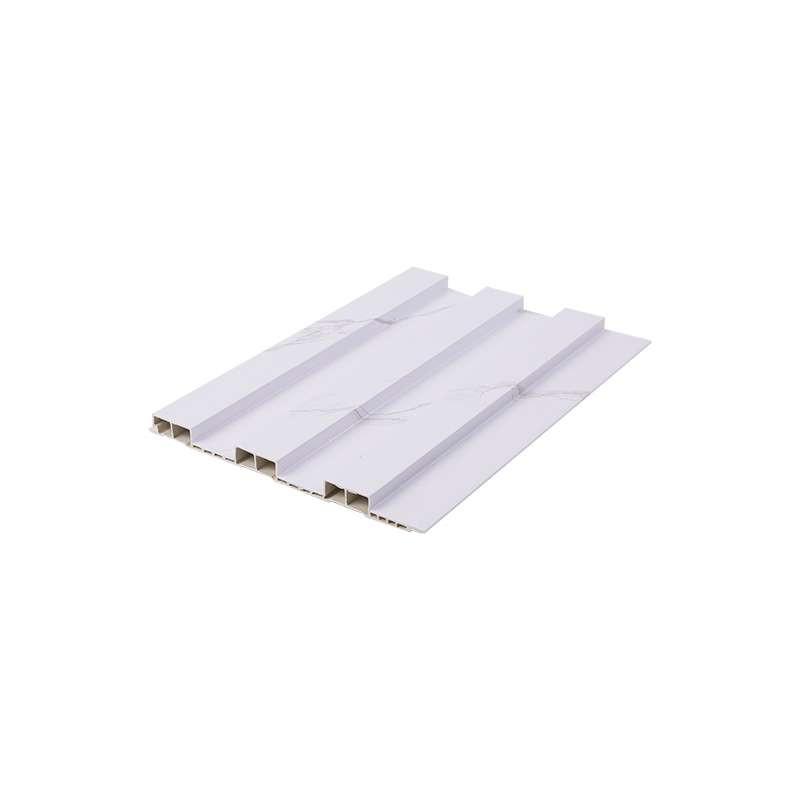
These panels are typically engineered through a co-extrusion process. The core consists of a high-density PVC foam or a Wood Plastic Composite (WPC) base, which is then laminated with a high-definition wood grain veneer. A protective UV coating is often applied to the surface to prevent fading and scratching.
Standard panels usually measure between 150mm to 600mm in width and 2400mm to 3000mm in length, with a thickness ranging from 5mm to 9mm. This lightweight structure allows for a weight reduction of approximately 60% compared to solid wood planks, significantly lowering shipping costs and structural load requirements.
Comparison: PVC Wood Veneer vs. Natural Wood
When deciding between materials, it is helpful to look at the performance metrics. The following table highlights the practical differences between these two cladding options:
| Feature | PVC Wood Veneer Panel | Natural Solid Wood |
| Moisture Resistance | 100% Waterproof (Zero swelling) | Porous (Prone to rot and warping) |
| Maintenance | Occasional wiping with a damp cloth | Regular sanding, staining, and sealing |
| Pest Resistance | Termite and insect proof | High risk of termite infestation |
| Installation Speed | Interlocking "click" or tongue-and-groove | Labor-intensive nailing and finishing |
| Average Lifespan | 15–20 years in indoor conditions | 10–50 years (highly dependent on care) |
Key Advantages for Residential and Commercial Spaces
The rise in popularity of PVC wood veneer is driven by several constructive benefits that solve common architectural headaches:
- Superior Moisture Management: Because PVC does not absorb water, these panels can be installed in bathrooms, basements, and kitchens where real wood would fail within months. For example, in a high-humidity bathroom, a PVC panel will maintain its structural integrity indefinitely, whereas wood veneer would likely peel.
- Enhanced Fire Safety: Most quality PVC panels carry a Class B1 fire rating. This means they are difficult to ignite and self-extinguish when the flame source is removed, providing a critical safety margin in commercial buildings.
- Acoustic Insulation: The hollow-core structure of many PVC panels provides a natural air gap that aids in sound dampening. In office settings, this can reduce ambient noise transfer by up to 10–15 decibels compared to bare drywall.
- Cost Efficiency: On average, PVC wood veneer panels cost 30% to 50% less than premium hardwoods like Oak or Walnut. When you factor in the lack of painting or varnishing requirements, the total project cost drops significantly.
Practical Installation and Versatility
One of the most practical aspects of PVC wood veneer is the ease of application. Most systems utilize a tongue-and-groove interlocking mechanism. This allows panels to be fixed directly to existing flat walls using high-strength construction adhesive or stainless steel clips.
Common application scenarios include:
- Feature Walls: Creating a focal point in living rooms or hotel lobbies without the weight of stone or solid timber.
- Ceiling Cladding: Because they are lightweight, they are an excellent choice for "wood look" ceilings that won't sag over time.
- High-Traffic Areas: In hallways or schools, the scratch-resistant surface holds up against daily scuffs and impacts far better than paint or wallpaper.
Environmental Considerations and Longevity
Modern PVC wood veneer panels are increasingly focused on sustainability. Many manufacturers now use lead-free stabilizers and recycled PVC content. Furthermore, because these panels do not require chemical treatments like varnish, paint, or formaldehyde-heavy glues during maintenance, they contribute to better indoor air quality over the long term.
While natural wood is biodegradable, the longevity of PVC means fewer replacements are needed over a building's lifecycle. A single installation can remain aesthetically pleasing for decades, reducing the demand for raw timber and the energy-intensive processing associated with traditional lumber.

 Tel:
Tel:
 E-mail:

