


 Español
 中文简体
中文简体 عربى
عربىArticle Directory
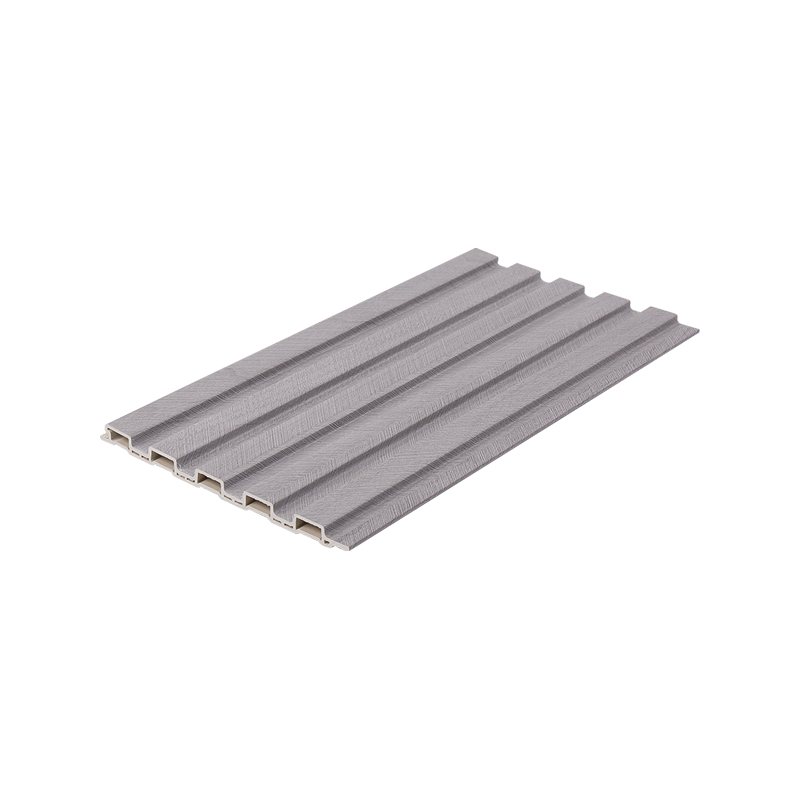
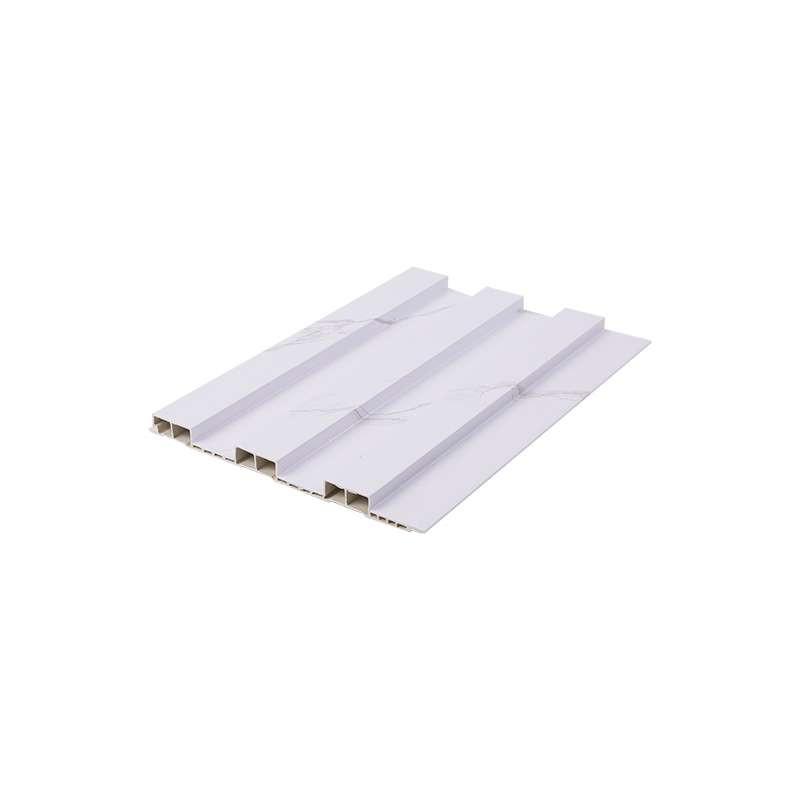
In the global commercial construction sector, the selection of interior finishing materials is dictated by rigorous safety protocols. For a wpc wall cladding panel, the fire rating is not merely a technical specification but a mandatory legal requirement for occupancy permits. Architects and engineers must evaluate how these composite structures react under thermal stress, focusing on flame spread indices and smoke generation to ensure the safety of high-traffic environments.
Haining Jiazhimeng Integrated Home Co., Ltd., based in Haining City, Zhejiang Province, has been at the forefront of this technology since 2013. With 17 years of experience in the interior decoration materials field, the company specializes in the independent R&D of wpc wall cladding panel systems, bamboo wood fiberboard, and wood veneers. By utilizing advanced production equipment, Jiazhimeng ensures that every batch meets the specialized safety demands of global partners in Southeast Asia, Australia, and the Middle East.
Regulatory Framework: WPC wall panel fire rating standards and Building Codes
Compliance begins with understanding WPC wall panel fire rating standards such as the European EN 13501-1 or the Chinese GB 8624. For most commercial interiors, a B1 fire rating composite wallboard specifications level is required, meaning the material is difficult to ignite and possesses self-extinguishing properties once the heat source is removed. These standards prevent the rapid transition from a localized fire to a fully developed room fire (flashover).
Material Science: ASTM E84 Class A vs Class B for WPC Performance Analysis
In the North American and Middle Eastern markets, engineers frequently compare ASTM E84 Class A vs Class B for WPC. A Class A rating requires a Flame Spread Index (FSI) of 0-25, whereas Class B allows for 26-75. Achieving a Class A rating in a wpc wall cladding panel requires a high concentration of inorganic flame retardants, such as magnesium hydroxide or ammonium polyphosphate, within the polymer matrix to suppress the combustion of the wood fiber component.
Smoke density of halogen-free WPC panels and Toxicity Mitigation
A critical safety factor often overlooked is the smoke density of halogen-free WPC panels. In enclosed commercial spaces, smoke inhalation is statistically more dangerous than the flame itself. Halogen-free formulations ensure that during thermal decomposition, the panel does not release corrosive gases like hydrogen chloride. Jiazhimeng's R&D focuses on maintaining a low smoke-developed index (SDI) while preserving the aesthetic Ra surface finish required for luxury commercial interiors.
Comparative Thermal Stability: WPC vs wood fiberboard fire performance
When conducting a technical audit of WPC vs wood fiberboard fire performance, WPC (Wood Plastic Composite) typically demonstrates superior moisture resistance and a lower rate of charring due to its encapsulated polymer structure. While bamboo wood fiberboard offers excellent rigidity, the wpc wall cladding panel is more versatile for customized WPC panels for Middle East projects, where extreme ambient temperatures require materials with a low coefficient of thermal expansion and high ignition resistance.
| Testing Parameter | Standard Requirement (Commercial) | WPC Technical Value (Jiazhimeng) |
| Flame Spread Index (FSI) | Less than or equal to 75 (Class B) | 20 - 35 (Class A/B optimized) |
| Smoke Developed Index (SDI) | Less than or equal to 450 | Less than 300 |
| Combustion Classification | EN 13501-1 | B-s2, d0 |
| Ignition Temperature | ASTM D1929 | Greater than 380°C |
Impact of heat release rate on building compliance and Structural Integrity
The impact of heat release rate on building compliance is measured in kilowatts per square meter (kW/m2). A lower peak heat release rate (pHRR) indicates that the wpc wall cladding panel contributes less fuel to the fire, allowing more time for emergency evacuation. Engineering teams often ask how to test WPC wall cladding panel flammability; this is typically done using a cone calorimeter or a Steiner Tunnel test to quantify the total heat released during a 10 to 20-minute exposure period.
Engineering and Installation Logistics in B2B Environments
Correct wpc wall cladding panel installation for commercial interiors is vital to maintain the fire rating. If a panel is installed over a combustible substrate without proper fire-stopping barriers, the system's overall safety is compromised. Jiazhimeng provides comprehensive factory services, including supporting lines and lamp strips, to ensure that the entire wall system maintains why use fire-retardant WPC for high-rise buildings logic—preventing vertical fire spread through the building envelope.
Frequently Asked Questions
What is the difference between fire-resistant and fire-retardant WPC?
Fire-retardant WPC contains additives that slow down the spread of flame, whereas fire-resistant usually refers to an assembly's ability to withstand a fire for a specific duration (e.g., a 1-hour fire wall).
Can WPC panels be used in outdoor commercial facades?
Yes, but they must be specifically formulated for UV stability and satisfy local fire codes for exterior cladding, which are often stricter than interior requirements.
Does the color of the WPC panel affect its fire rating?
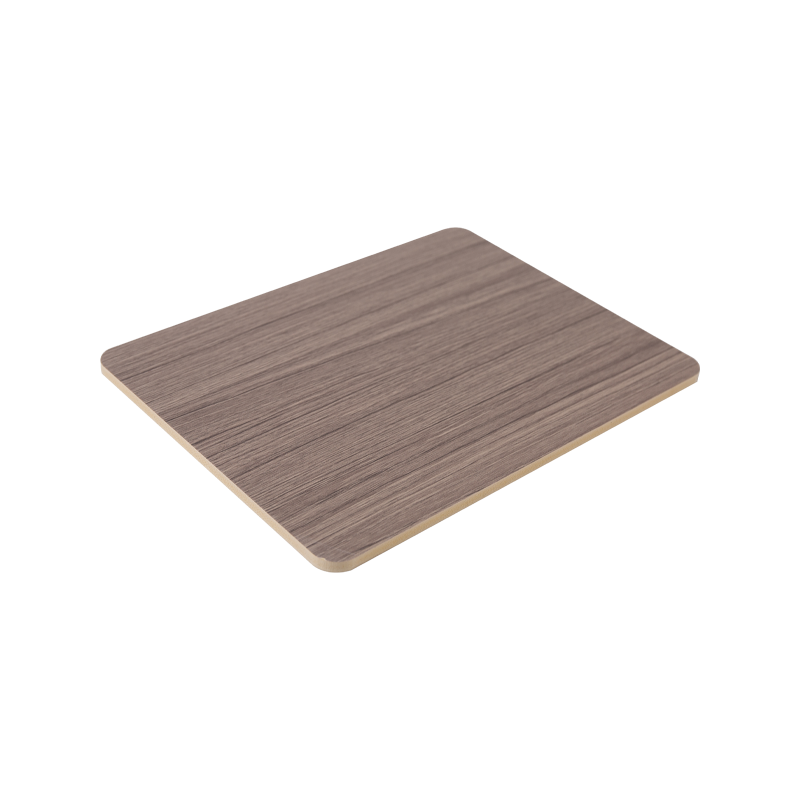
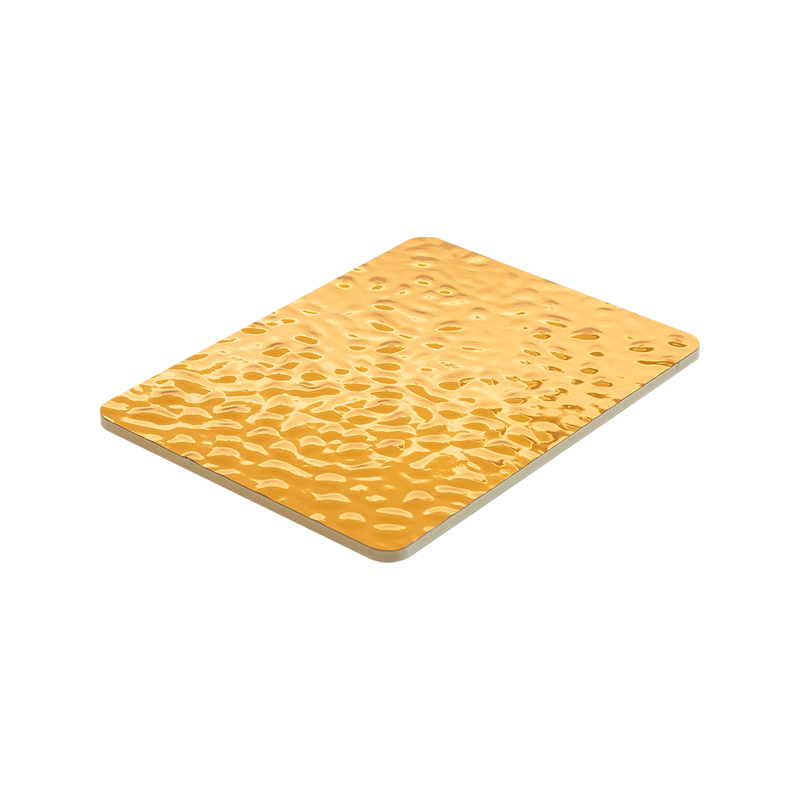
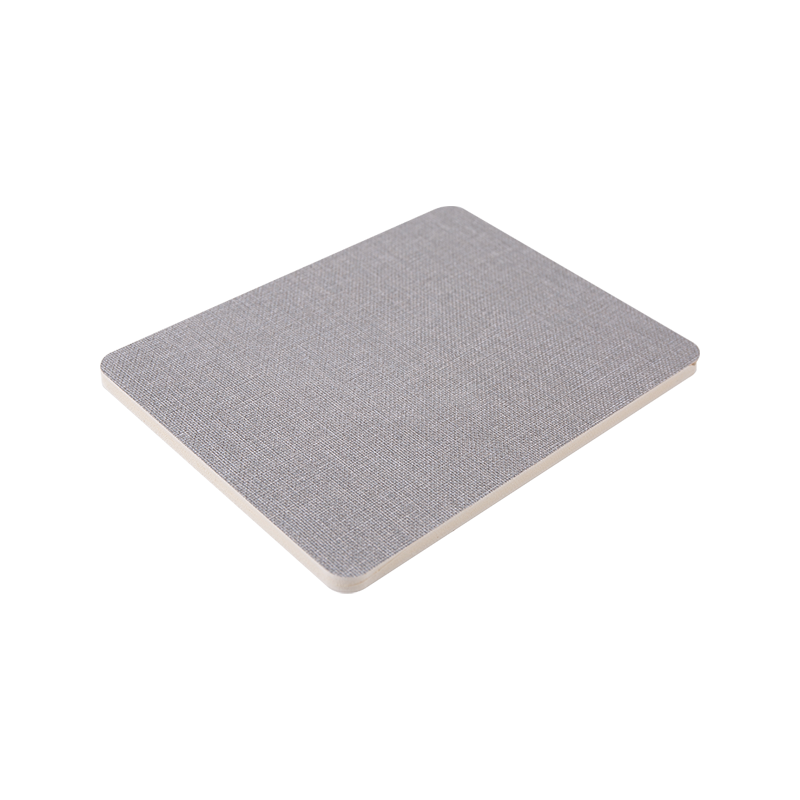
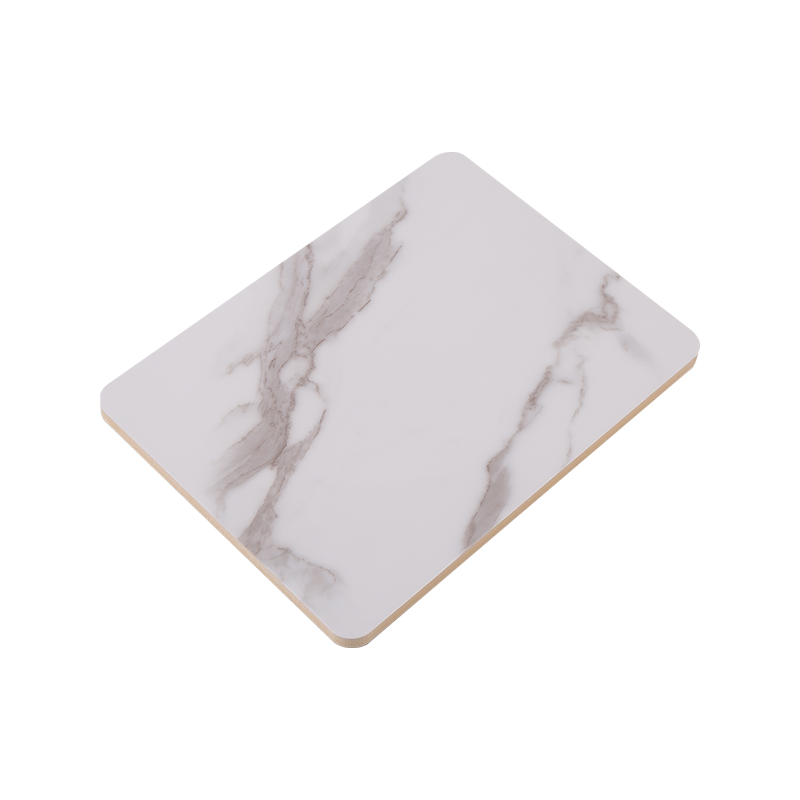
Generally, no. The fire performance is determined by the core resin/fiber ratio and the chemical flame retardants, not the surface pigment.
How does Jiazhimeng ensure consistent quality in large exports?
Every batch undergoes internal testing for density, tensile strength, and flammability before delivery to ensure it meets the specific standards of Australia, South America, or the Middle East.
What is a B1 fire rating?
B1 is a classification under GB 8624 or similar standards indicating "difficult to flammability," which is the standard benchmark for commercial wall cladding materials.
Technical References
1. ASTM E84: Standard Test Method for Surface Burning Characteristics of Building Materials.
2. EN 13501-1: Fire classification of construction products and building elements.
3. GB 8624: Classification for burning behavior of building materials and products.

 Tel:
Tel:
 E-mail:

