


 Español
 中文简体
中文简体 عربى
عربىArticle Directory
- 1 I. The Technical Demand for Realism
- 2 II. Advanced Texturing: The Engine of Fidelity
- 3 III. Material Formulation for Hyper-Realistic Finishes
- 4 IV. Technical Verification: Surface Hardness and B2B Compliance
- 5 V. The Future of Composite Aesthetics
- 6 VI. Frequently Asked Questions (FAQ)
- 6.1 1. What is the main technical advantage of Synchronized Registration Embossing (SRE)?
- 6.2 2. How do you measure and ensure the long-term durability of the WPC surface finish?
- 6.3 3. Is the aesthetic of a WPC stone finish distinguishable from natural stone for interior use?
- 6.4 4. What types of patterns typically require Customized deep embossed WPC wallboard?
- 6.5 5. How does Haining Jiazhimeng simplify B2B procurement for a complete wall system?
I. The Technical Demand for Realism
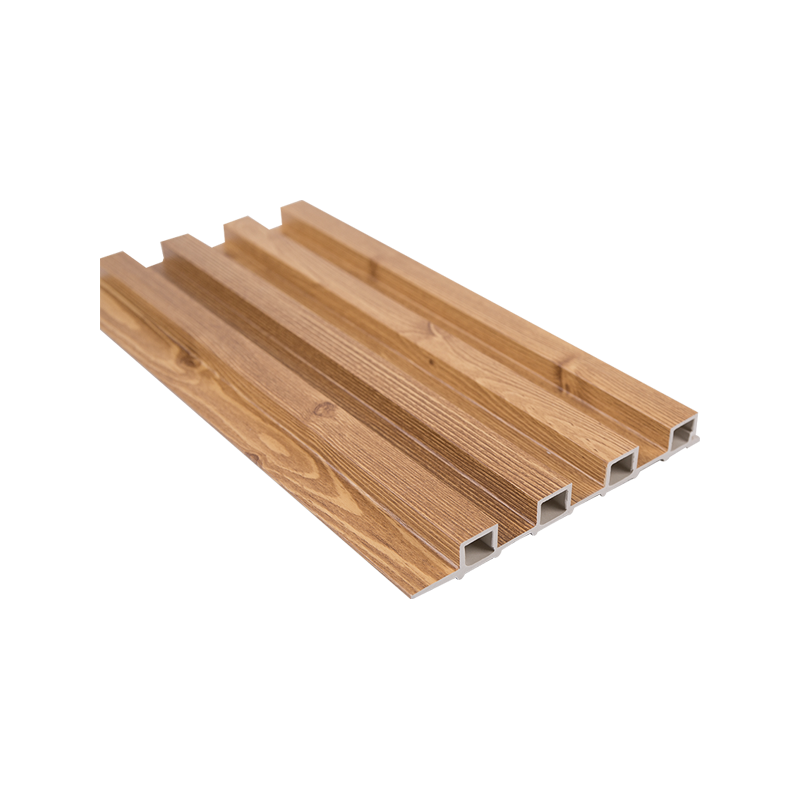
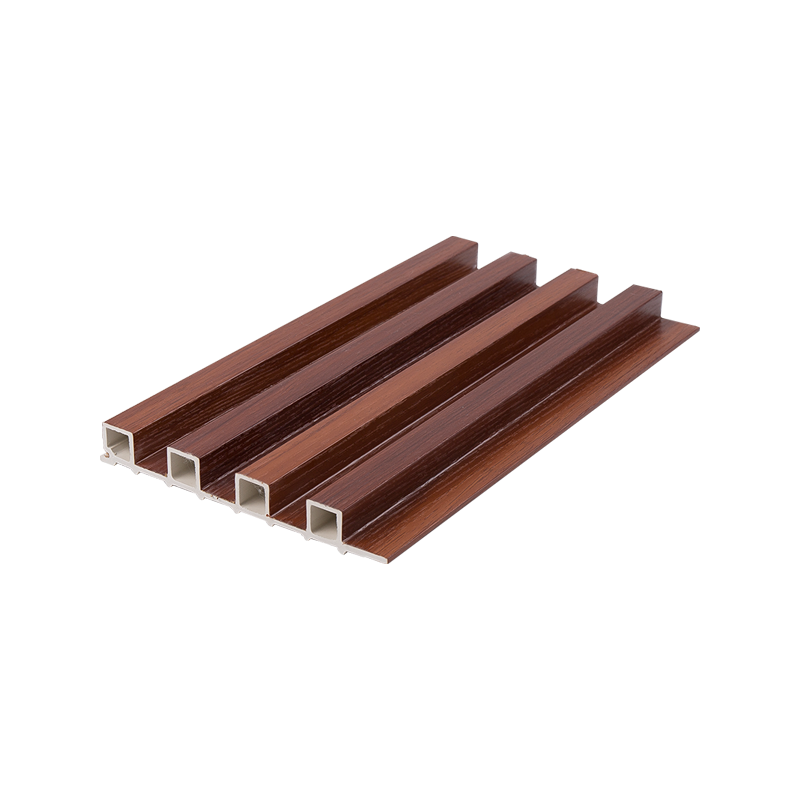
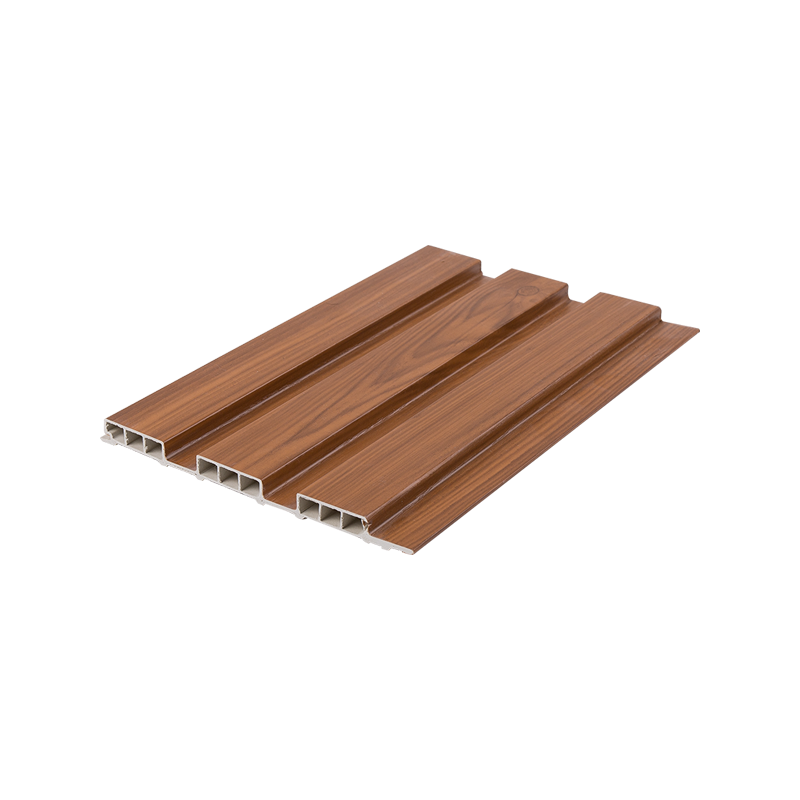
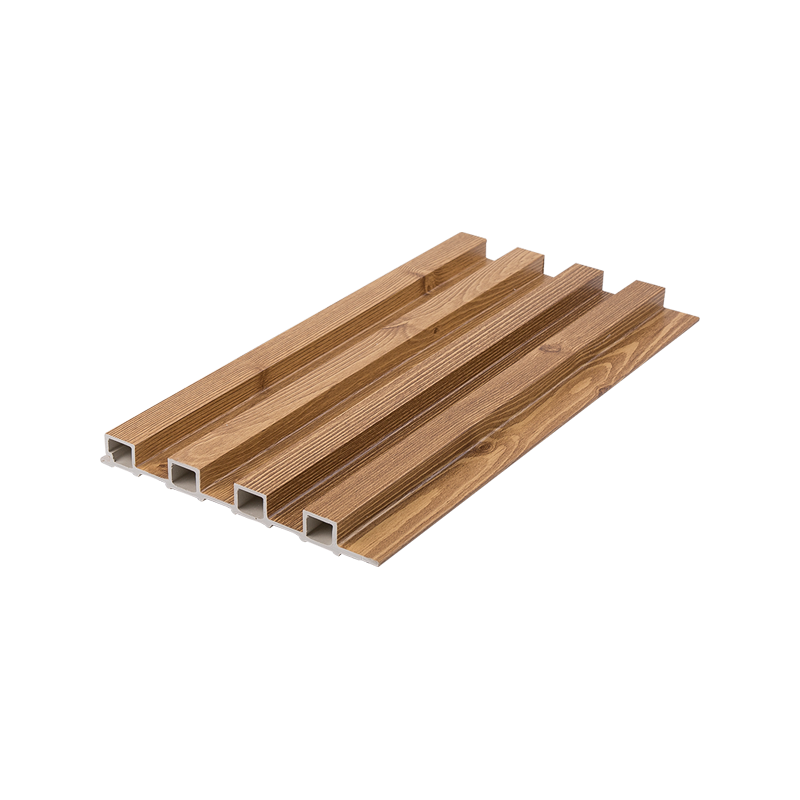
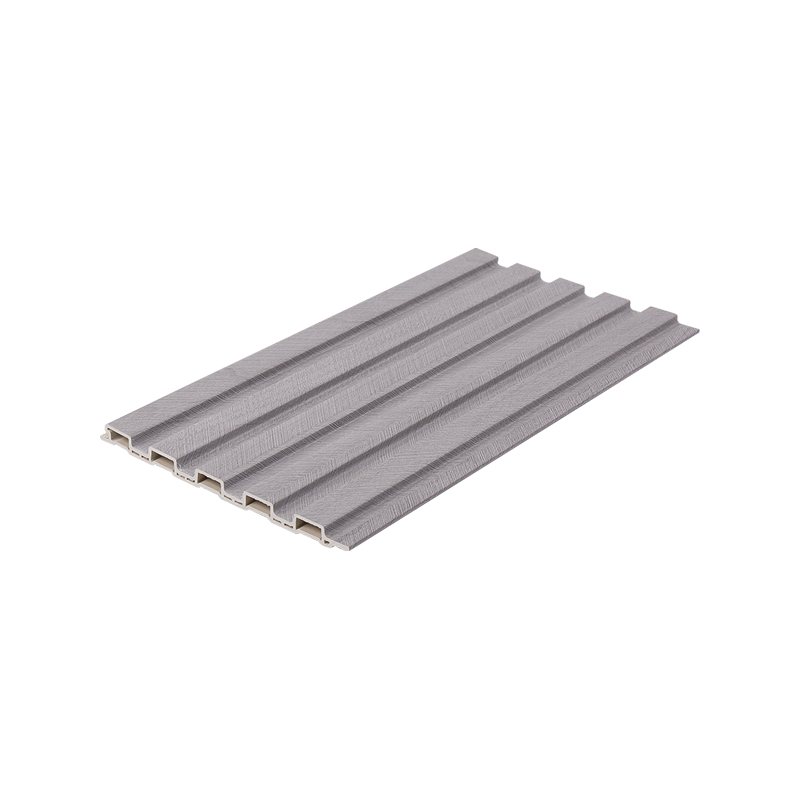
In B2B interior materials procurement, the demand for surfaces that mimic the visual and tactile authenticity of natural materials—without the associated maintenance or installation complexities—has driven significant innovation in composites. The core value proposition of the wpc decorative wall panel lies in its successful blend of polymer durability with natural aesthetics. Achieving "hyper-realism" is now the technical benchmark, focusing on texture, color depth, and finish resilience.
Haining Jiazhimeng Integrated Home Co., Ltd., a factory enterprise with R&D capability and 17 years of experience in wall products, has specialized in WPC materials since 2013. Our commitment to continuous product research and update ensures that we deliver customized services and good products that push the boundaries of aesthetic realism and technical performance for partners across Southeast Asia, Australia, the Middle East, and South America.
II. Advanced Texturing: The Engine of Fidelity
The transition from visually appealing to genuinely realistic WPC panels is primarily achieved through engineering the surface texture. This involves highly precise manufacturing techniques that control the depth and alignment of the grain.
A. Synchronized Registration Embossing (SRE)
The most significant leap in fidelity comes from Synchronized WPC panel texture technology (SRE). Unlike standard embossing, where a texture plate is applied uniformly regardless of the printed image, SRE uses high-precision registration to ensure the physical texture (the grooves, knots, and splits) aligns perfectly with the photographic layer beneath. This alignment minimizes the "fake" look often associated with LVT or standard WPC, making the surface look and feel exactly as the image dictates.
Standard embossing offers broad tactile appeal but sacrifices visual authenticity, while SRE drastically elevates the perceived quality through millimeter-precise alignment between the printed layer and the physical surface texture. This enhanced precision is crucial for high-end residential and commercial projects.
| Metric | Standard Deep Embossing | Synchronized Registration Embossing (SRE) |
|---|---|---|
| Alignment of Print & Texture | Random or Broad Alignment | Millimeter-Precise Alignment |
| Aesthetic Fidelity | Good (Appealing surface feel) | Exceptional (Hyper-realistic wood grain) |
| Manufacturing Complexity | Moderate | High (Requires specialized high-tolerance machinery) |
B. Deep Embossing for 3D Tactility
Achieving rustic or complex patterns requires Customized deep embossed WPC wallboard. This technique utilizes specific, deep-carved embossing rollers to create dramatic, uneven surfaces that convincingly replicate reclaimed wood, distressed metal, or rough-hewn stone. For specific contract needs, the deep embossing plates themselves are customized, allowing designers to specify unique tactile profiles. The process involves precise heat control to ensure the polymer flows cleanly into the deep cavities of the plate without compromising the WPC core's structural integrity.
III. Material Formulation for Hyper-Realistic Finishes
Aesthetic fidelity is not just about texture; it relies heavily on the composition of the surface film and coating, which affects color saturation, gloss level, and UV resistance.
A. Achieving Stone and Concrete Realism
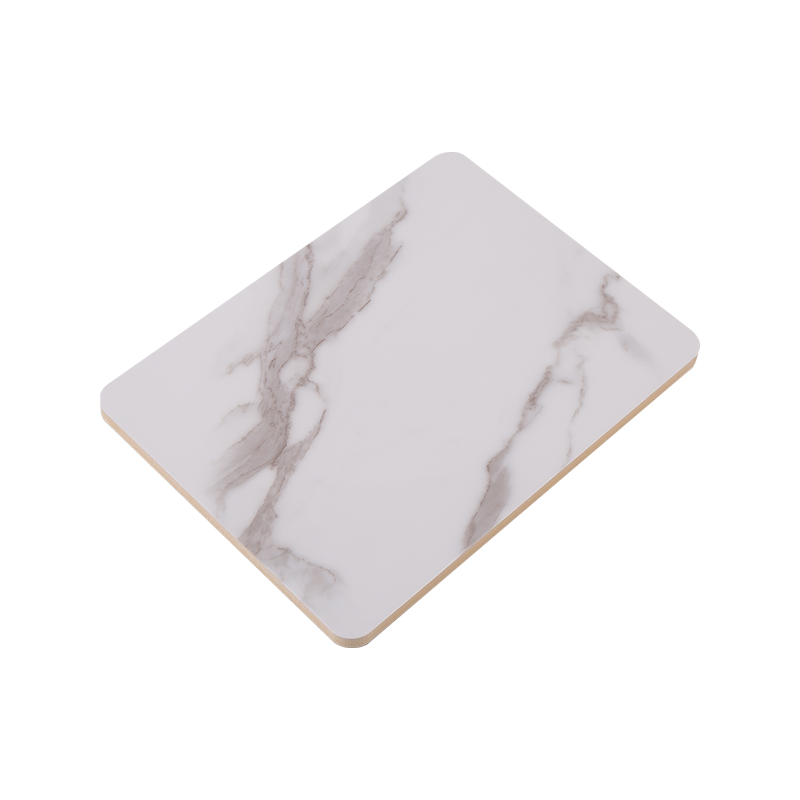
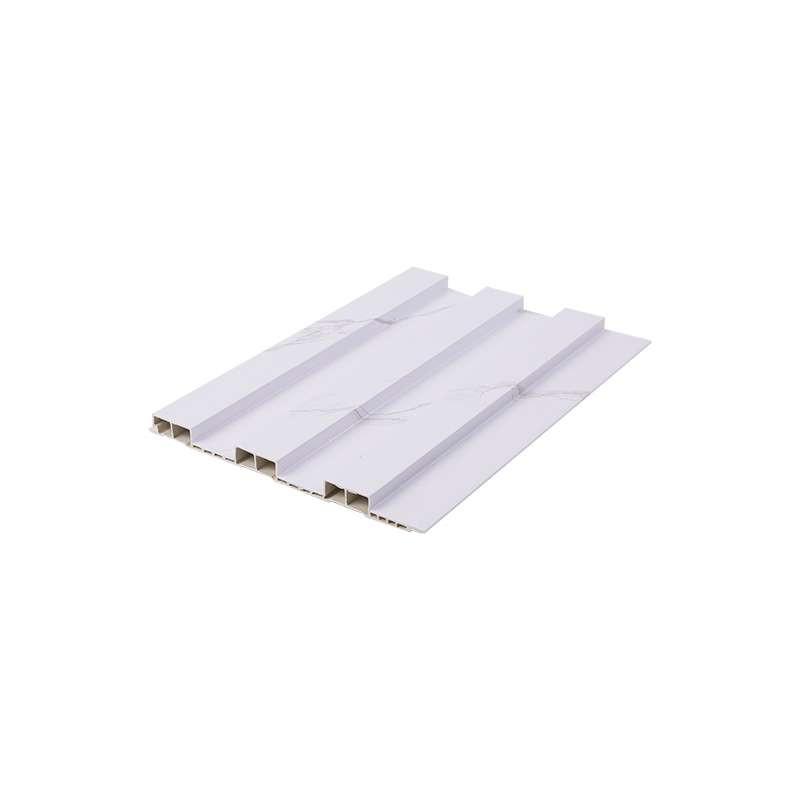
Replicating stone or concrete requires a sophisticated multi-pass printing system. For a High-fidelity WPC stone finish interior, the printed layer must feature complex color gradients and depth effects. A major technical challenge is minimizing pattern repetition over large surfaces; high-quality manufacturers use films with extended pattern repeats to ensure a natural, non-repeating appearance across an entire wall installation, which is a key technical requirement for luxury interiors.
B. Wood Finish Durability and Authenticity
A critical B2B concern is the long-term aesthetic resilience. We evaluate the life cycle using Durable WPC wood veneer finish comparison. While natural wood veneer offers unparalleled authenticity, it demands complex finishing and is prone to moisture damage and fading. The WPC decorative film, conversely, offers superior resistance to moisture and simplified maintenance, making it the practical choice for hospitality or healthcare environments.
The final aesthetic outcome is intrinsically linked to the coating system used to protect the decorative film.
| Finish Layer Type | Surface Protection (Abrasion & Scratch) | Moisture Resistance | Ease of Maintenance |
|---|---|---|---|
| Standard PVC Film (Base) | Moderate (Prone to scuffing) | High | Moderate |
| Co-extruded Acrylic Cap | Excellent (Superior for high-traffic areas) | Excellent | Easy |
| Natural Wood Veneer | Low (Requires specialized maintenance) | Low (Prone to warping if unfinished) | Complex |
IV. Technical Verification: Surface Hardness and B2B Compliance
For B2B buyers, the hyper-realistic aesthetic must be validated by hard technical data. Appearance alone is insufficient for high-wear environments.
A. Quantifying Surface Resilience
The technical importance of WPC wall panel surface hardness B2B compliance cannot be overstated. We verify resilience using standardized testing, such as the Taber Abrasion Test, which measures resistance to wear. Interestingly, deep-textured panels often have superior scratch resistance compared to smooth finishes, as the texture naturally disperses light and conceals minor scratches, contributing to the perceived longevity of the panel.
B. Seamless System Integration
Our commitment is to convenience and quality service. We provide factory services that include producing WPC wallboard and other wall products, as well as establishing cooperative relationships with supporting manufacturers for essential accessories (lines, lamp strips). This ensures that a High-fidelity WPC stone finish interior panel can be seamlessly integrated with perfectly color-matched trim and lighting channels, guaranteeing aesthetic consistency and simplifying the project's supply chain for the customer.
V. The Future of Composite Aesthetics
The modern wpc decorative wall panel successfully bridges the gap between synthetic material performance and natural aesthetic appeal. Innovations like Synchronized WPC panel texture technology and specialized deep embossing for Customized deep embossed WPC wallboard are driving the market toward hyper-realism. By focusing on technical details like WPC wall panel surface hardness B2B metrics and using a transparent approach to Durable WPC wood veneer finish comparison, Haining Jiazhimeng Integrated Home Co., Ltd. provides its global partners with quality, high-fidelity wall solutions designed for long-term project success.
VI. Frequently Asked Questions (FAQ)
1. What is the main technical advantage of Synchronized Registration Embossing (SRE)?
- A: The main technical advantage of Synchronized WPC panel texture technology is the millimeter-precise alignment between the printed decorative film and the physical surface texture. This process eliminates the unnatural, repeating look found in basic composites, achieving hyper-realistic fidelity, especially for detailed wood grains.
2. How do you measure and ensure the long-term durability of the WPC surface finish?
- A: Durability is primarily verified by quantifiable metrics like WPC wall panel surface hardness B2B testing, such as the Taber Abrasion Test. This test measures the material's resistance to wear, ensuring that a Durable WPC wood veneer finish comparison holds up under the scuffing and impact expected in high-traffic commercial spaces.
3. Is the aesthetic of a WPC stone finish distinguishable from natural stone for interior use?
- A: Modern technology allows for near-indistinguishable aesthetics. For a High-fidelity WPC stone finish interior, manufacturers use extended pattern repeats and high-resolution printing to mimic the complex visual depth of natural stone, minimizing pattern repetition across a large surface area, which is a key marker of quality.
4. What types of patterns typically require Customized deep embossed WPC wallboard?
- A: Customized deep embossed WPC wallboard is typically utilized for patterns requiring significant physical relief and tactility, such as deeply weathered wood, hand-scraped planks, or rough, textured concrete and stone finishes. The depth of the embossing roller is engineered to enhance the 3D effect.
5. How does Haining Jiazhimeng simplify B2B procurement for a complete wall system?
- A: We provide factory services, not only manufacturing the wpc decorative wall panel but also offering fully compatible supporting products, such as trim lines and lamp strips, through cooperative relationships. This allows customers to source a complete, aesthetically integrated system in one place, providing convenience and streamlined WPC wall panel surface hardness B2B compliance.

 Tel:
Tel:
 E-mail:

