


 Español
 中文简体
中文简体 عربى
عربىArticle Directory
- 1 I. Introduction: The Technical Mandate of Aesthetic Versatility
- 2 II. Advanced Material Science and Core Aesthetics
- 3 III. Texture and Finish: Replicating Natural Materials
- 4 IV. Technical Specifications: Safety, Durability, and Installation
- 5 V. Conclusion: A Commitment to Customization and Quality
- 6 VI. Frequently Asked Questions (FAQ)
- 6.1 1. How does the aesthetic quality of WPC panels compare between lamination and co-extrusion?
- 6.2 2. Can WPC wall panels be customized to match specific corporate colors or textures?
- 6.3 3. What is the primary limitation when specifying aesthetic design alongside fire ratings?
- 6.4 4. How is installation compatibility ensured for B2B wholesale projects?
- 6.5 5. What are the key stylistic options for WPC decorative panels in the hospitality sector?
I. Introduction: The Technical Mandate of Aesthetic Versatility
In high-volume procurement for commercial, residential, and institutional projects, the material selection process demands a dual focus: technical compliance (durability, fire rating) and extensive aesthetic flexibility. The WPC decorative wall panel stands out as a solution designed to meet this mandate, offering superior performance while providing the rich variety of styles, colors, and textures required to satisfy diverse client specifications.
At Haining Jiazhimeng Integrated Home Co., Ltd., we leverage 17 years of experience in interior decoration materials, having pioneered the development of Wood-Plastic Composite (WPC) materials since 2013. Our core mission is to provide customized, quality products to partners in Southeast Asia, Australia, the Middle East, South America, and other regions. Our independent research and development capabilities ensure that the breadth of our aesthetic offerings is matched only by the technical robustness of our products.
II. Advanced Material Science and Core Aesthetics
The aesthetic foundation of WPC lies in its composite structure, which allows it to balance the warmth and visual appeal of wood fiber with the resilience and color retention capabilities of engineered polymers. This is particularly vital for applications exposed to environmental stress.
A. Color Stability and UV Resistance
Maintaining color consistency and resisting photo-degradation are critical engineering considerations, particularly for products requiring waterproof WPC wall cladding exterior. Color application techniques significantly influence long-term UV resistance and performance:
- Co-Extrusion: A thick, polymer cap layer containing highly stable inorganic pigments is fused onto the core during manufacturing. This method offers superior, lasting color stability and resistance to fading, making it ideal for the extreme UV exposure common in exterior or high-light areas.
- Lamination: A pre-printed, decorative film (often PVC or paper-based) is adhered to the WPC core. While offering maximum pattern flexibility, the long-term color stability depends entirely on the UV inhibitors and quality of the specific film used.
The co-extrusion method provides a clear technical advantage in color longevity, whereas high-quality lamination provides greater design freedom.
Color Application Methods and Performance Metrics
| Application Method | UV Fading Resistance (Long-Term) | Design/Pattern Complexity | Cost and Lead Time |
|---|---|---|---|
| Co-Extrusion (Capped) | Excellent (Superior for waterproof WPC wall cladding exterior) | Moderate (Limited by bulk pigment availability) | Higher initial cost, faster production once pigment is sourced. |
| Lamination (Film Based) | Good to High (Varies by film quality) | Excellent (Unlimited photographic replication) | Lower initial cost, film sourcing affects lead time. |
III. Texture and Finish: Replicating Natural Materials
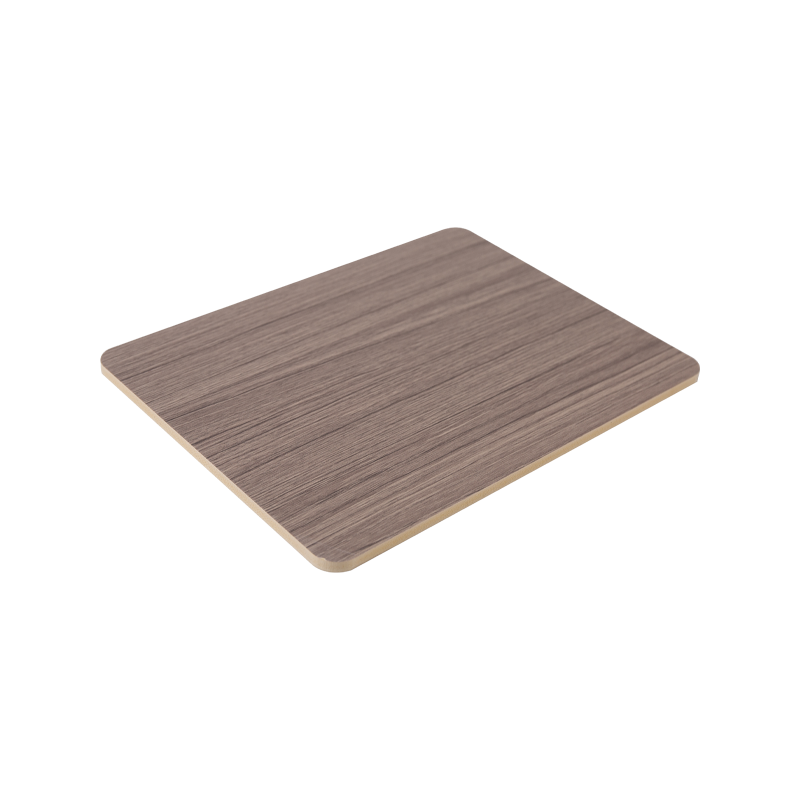
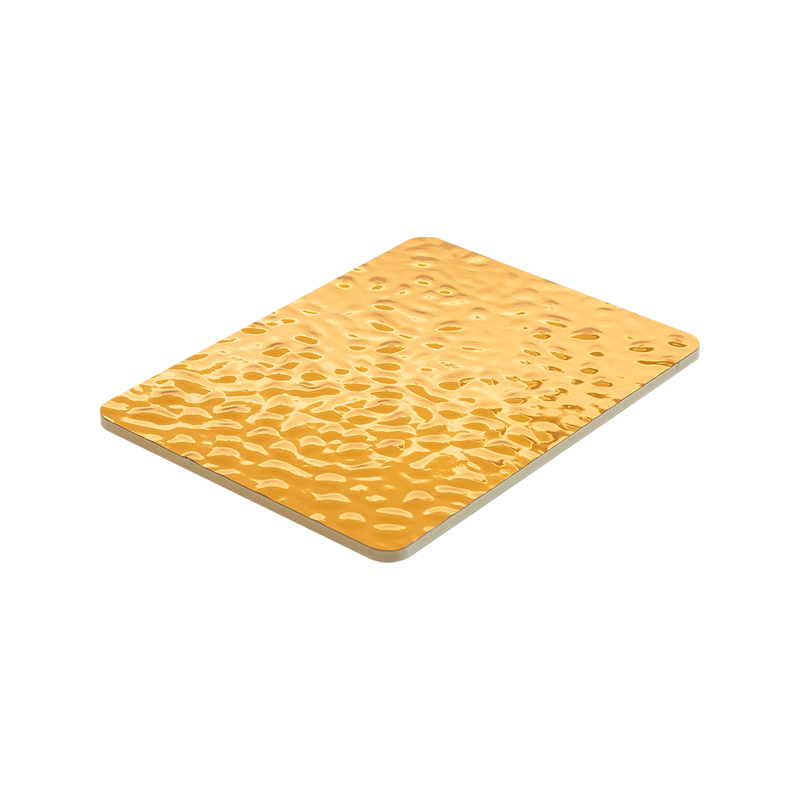
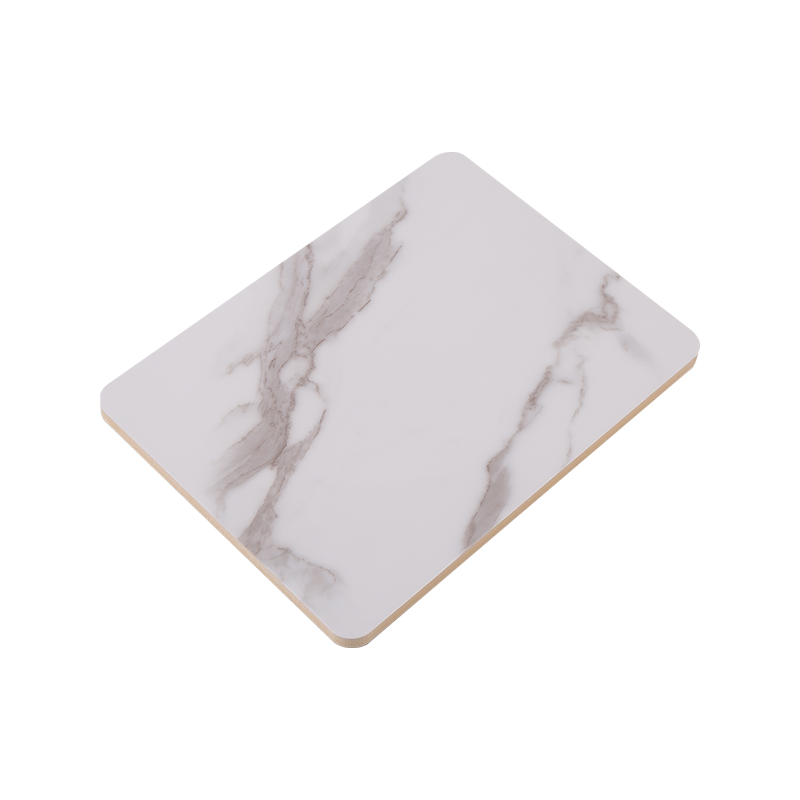
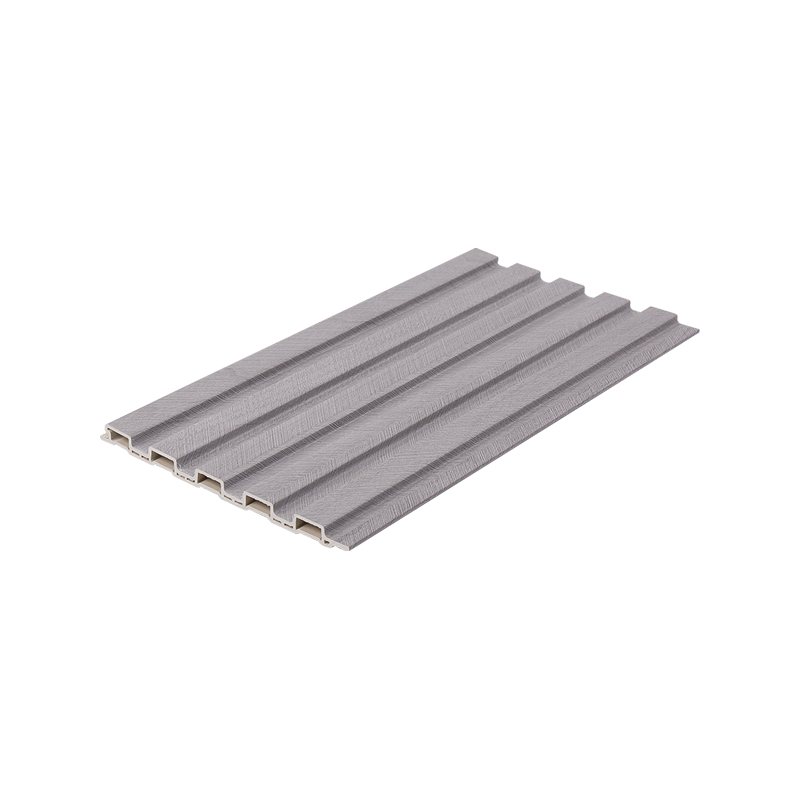
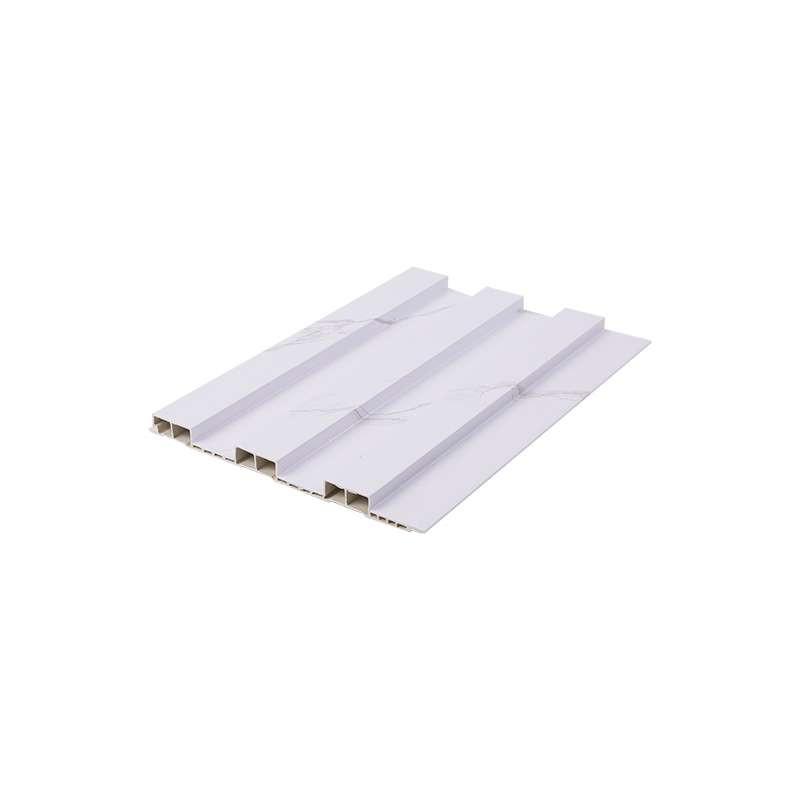
The tactile and visual quality of the surface texture is paramount for achieving the desired design intent. Advanced surface treatment technologies allow WPC to convincingly replicate the feel of natural wood grain, brushed metal, or even stone.
A. Surface Treatment Technologies for Textural Fidelity
The texture applied determines the perceived luxury and fidelity of the panel. For the creation of customized WPC interior panel textures, manufacturers employ specific techniques to control the depth and alignment of the grain:
- Deep Embossing: Provides a uniform, deep texture, enhancing the tactile presence but often lacking the randomness of natural wood.
- Synchronized Registration Embossing (SRE): The most advanced method, where the textured plate is precisely aligned with the underlying printed film pattern. This high-fidelity process ensures that the texture grooves perfectly follow the printed wood grain knots and lines, creating a near-indistinguishable replica of natural wood.
SRE technology delivers a superior, high-end finish, justifying its use in demanding projects that require premium WPC decorative wall panel aesthetics.
WPC Texturing Techniques and Aesthetic Outcomes
| Texturing Technique | Textural Depth and Realism | Manufacturing Complexity | Ideal Design Application |
|---|---|---|---|
| Standard Deep Embossing | High Depth, Low Realism (Pattern is uniform) | Low | Functional, cost-sensitive projects. |
| Synchronized Embossing (SRE) | Exceptional Depth and Fidelity (Perfect alignment) | High | Luxury projects and the highest quality customized WPC interior panel textures. |
B. Achieving Diverse Styles for Contract Projects
Our expansive aesthetic catalogue includes solutions tailored for specific commercial needs. For instance, WPC decorative wall panel styles for hotels demand finishes that can transition from high-traffic public areas (requiring highly durable, abrasion-resistant faux stone) to individual rooms (requiring a calming, rich wood veneer look). Our capability to produce bamboo wood fiberboard and wood veneer alongside standard WPC allows for a single source to supply a consistent aesthetic across multiple material needs, providing convenience and quality service.
IV. Technical Specifications: Safety, Durability, and Installation
Aesthetic choice is only viable when supported by non-negotiable technical compliance. B2B procurement must always balance style with specification.
A. Fire Safety Compliance: Aesthetic Limitations
The integration of fire-retardant additives—crucial for meeting stringent fire-rated WPC wall panel specifications—often dictates limits on the material's aesthetic flexibility. High loadings of mineral fillers necessary for superior flame spread ratings (e.g., Class A/B) can impact the maximum possible depth of color and the sharpness of the surface texture. Procurement must specify the required fire rating first, then select the aesthetic options available within that technical envelope.
B. Panel Versatility and System Compatibility
Project efficiency relies on a seamless build. Our factory provides not only the wall products themselves—including WPC wallboard, bamboo wood fiberboard, and wood veneer—but also complementary supporting products like lines and lamp strips through established cooperative relationships. This commitment to one-place sourcing facilitates WPC panel installation compatibility B2B by ensuring that all components (panels, trim, lighting channels) are dimensionally and aesthetically matched, eliminating on-site cutting and compatibility issues.
The clip-and-lock installation method, standard across our ranges, significantly reduces installation time and labor costs, critical metrics for large-scale commercial tenders.
V. Conclusion: A Commitment to Customization and Quality
The versatility of the WPC decorative wall panel in terms of style, color, and texture is undoubtedly vast, successfully accommodating even the most complex design briefs—from demanding waterproof WPC wall cladding exterior applications to intricate customized WPC interior panel textures for hospitality. At Haining Jiazhimeng Integrated Home Co., Ltd., we combine 17 years of field experience with advanced technology, providing customized solutions and good products that adhere to strict fire-rated WPC wall panel specifications and ensure smooth WPC panel installation compatibility B2B. We are committed to achieving win-win results by providing quality, convenience, and a comprehensive product system for our partners globally.
VI. Frequently Asked Questions (FAQ)
1. How does the aesthetic quality of WPC panels compare between lamination and co-extrusion?
- A: Lamination provides the highest initial aesthetic complexity, allowing for near-photographic replication of patterns. Co-extrusion, while aesthetically simpler, offers superior long-term color stability and durability, which is critical for applications like waterproof WPC wall cladding exterior where UV exposure is high.
2. Can WPC wall panels be customized to match specific corporate colors or textures?
- A: Yes. Our independent R&D capability allows us to offer customized WPC interior panel textures and colors. For texture, this often involves developing specialized embossing plates, and for color, it involves sourcing specific pigments to match client-provided reference materials, a key service we offer our partners.
3. What is the primary limitation when specifying aesthetic design alongside fire ratings?
- A: Achieving the highest fire-rated WPC wall panel specifications (e.g., Class A/B) requires incorporating a high volume of inorganic, fire-retardant mineral fillers. These fillers can inherently limit the final material's aesthetic properties, potentially making the deep color saturation or sharp surface detail (texture) more difficult to achieve compared to non-fire-rated materials.
4. How is installation compatibility ensured for B2B wholesale projects?
- A: WPC panel installation compatibility B2B is ensured by providing a complete system solution. Haining Jiazhimeng not only produces the main wallboards but also sources and provides supporting products, such as lines and lamp strips, that are dimensionally and aesthetically matched to the panels, allowing customers to buy all required products in one place.
5. What are the key stylistic options for WPC decorative panels in the hospitality sector?
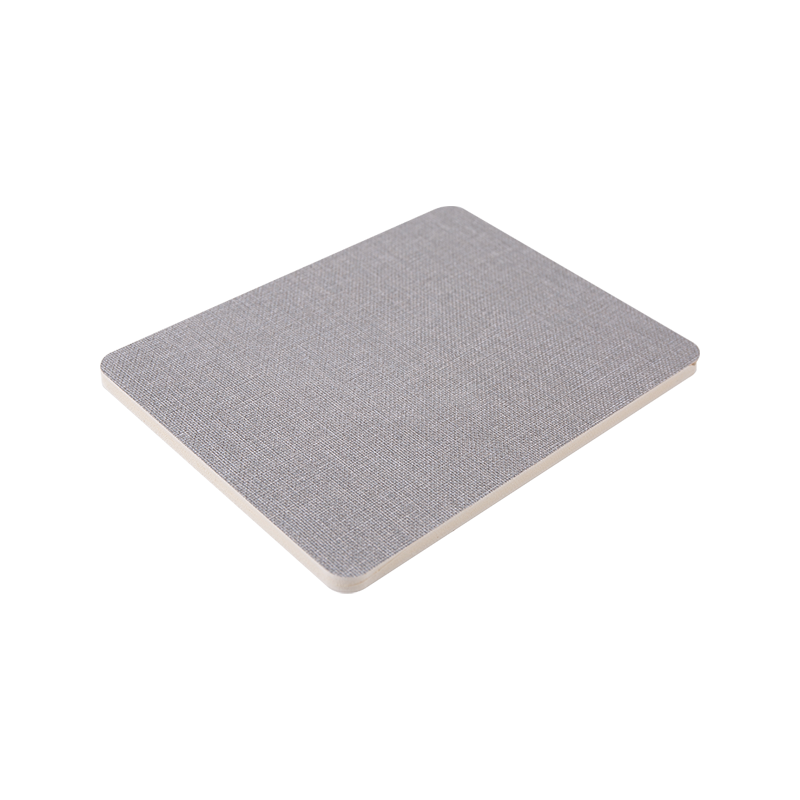
- A: WPC decorative wall panel styles for hotels typically range from modern slat designs (for public areas requiring acoustic dampening and a clean look) to seamless wood or fabric finishes (for rooms requiring warmth and a high-end feel). Our portfolio of WPC, bamboo wood fiberboard, and wood veneer allows us to cater to this diverse spectrum.

 Tel:
Tel:
 E-mail:

