


 Español
 中文简体
中文简体 عربى
عربىArticle Directory
- 1 What Is a Bamboo Charcoal Wall Panel Used For?
- 2 Do Bamboo Charcoal Wall Panels Really Control Odor and Moisture?
- 3 Key Health Benefits of Bamboo Charcoal Wall Panels Indoors
- 4 How Durable Are Bamboo Charcoal Wall Panels for Long-Term Use?
- 5 Can Bamboo Charcoal Wall Panels Be Installed in Bathrooms and Kitchens?
- 6 How to Install Bamboo Charcoal Wall Panels Step by Step
- 7 Frequently Asked Questions
- 7.1 What is the difference between bamboo charcoal wall panels and standard decorative wall panels?
- 7.2 Do bamboo charcoal wall panels need to be replaced or recharged over time?
- 7.3 Are bamboo charcoal wall panels safe for children's bedrooms and nurseries?
- 7.4 How do bamboo charcoal wall panels perform in commercial spaces?
A bamboo charcoal wall panel does something no paint or wallpaper can: it actively improves the air quality of the room it lines. Combining the structural elegance of processed bamboo with the microporous adsorption power of activated charcoal, these panels have become one of the most practical and design-forward choices in modern healthy-home construction.
What Is a Bamboo Charcoal Wall Panel Used For?
A bamboo charcoal wall panel serves two parallel functions: it is a decorative wall-cladding material that brings warmth and texture to interior surfaces, and it is a continuous passive air purifier that adsorbs volatile organic compounds (VOCs), formaldehyde, ammonia, and humidity from the ambient environment. No electricity or filter replacement is required.
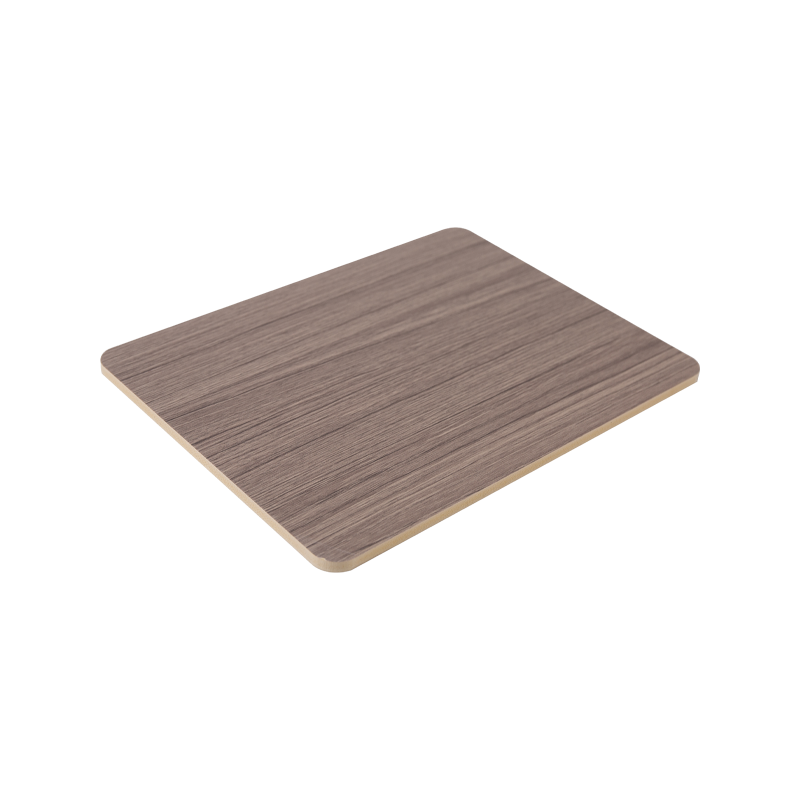
In interior decoration, these panels work equally well as full accent walls, wainscoting, ceiling cladding, and partition surfaces in both residential and commercial projects. The natural grain of bamboo gives finished spaces a warm, organic character that neither painted drywall nor synthetic laminate can replicate.
Do Bamboo Charcoal Wall Panels Really Control Odor and Moisture?
Bamboo charcoal wall panels are effective at odor and moisture control — and the mechanism is well understood. Activated bamboo charcoal has a highly porous microstructure, with a specific surface area of approximately 200 square meters per gram. These microscopic cavities physically trap odor molecules, including cooking smells, pet odors, tobacco residue, and new-construction off-gassing, rather than simply masking them with fragrance.
For humidity regulation, the same porous structure adsorbs excess moisture vapor during humid conditions and releases it gradually when ambient humidity drops — functioning as a natural buffer that stabilizes indoor relative humidity between 45% and 65%, the range recommended by the American Society of Heating, Refrigerating and Air-Conditioning Engineers (ASHRAE) for respiratory health. This hygroscopic behavior reduces the risk of condensation, mold initiation, and structural surface damage behind wall finishes.
Bamboo charcoal is defined as a high-temperature carbonized product of moso bamboo (Phyllostachys edulis), processed above 800 degrees Celsius to develop an ultra-porous carbon matrix with exceptional adsorption capacity for gaseous pollutants and moisture.
DefinitionKey Health Benefits of Bamboo Charcoal Wall Panels Indoors
Installing a bamboo charcoal wall panel provides measurable environmental benefits that accumulate over the full lifespan of the material — not just in the weeks after installation.
Studies published in the Journal of Hazardous Materials show activated charcoal panels reduce indoor formaldehyde concentrations by up to 71% within enclosed room conditions over a 24-hour period.
The hygroscopic cycle of bamboo charcoal stabilizes room humidity without power, preventing mold spore germination which requires sustained humidity above 70% — a threshold bamboo charcoal walls actively prevent.
Far-infrared wavelengths emitted by bamboo charcoal surfaces stimulate the release of negative ions, which research associates with reduced airborne particulate matter and improved sleep quality in enclosed rooms.
Unlike vinyl wallcovering or MDF-core decorative panels, bamboo charcoal wall products emit no VOCs of their own — they adsorb what existing materials in the room release, making them net-positive for indoor air quality.
The carbon-rich surface is naturally inhospitable to bacterial and fungal colonization, a property confirmed by JIS Z 2801 antibacterial testing standards commonly applied to building materials in Japan and South Korea.
Moso bamboo matures in 4 to 6 years versus 25 to 80 years for hardwood, making bamboo charcoal panels among the most rapidly renewable structural materials available to the construction and interiors industry.
How Durable Are Bamboo Charcoal Wall Panels for Long-Term Use?
Bamboo charcoal wall panels achieve a functional lifespan of 10 to 15 years under normal indoor conditions, outperforming standard paper-faced gypsum wallboard and most decorative laminates in both structural integrity and sustained air-purification performance.
| Material | Lifespan | Moisture Resistance | Air Purification |
| Bamboo Charcoal Panel | 10 - 15 years | High | Continuous, passive |
| Standard Wallpaper | 5 - 8 years | Low - Medium | None |
| PVC Wall Panel | 8 - 12 years | High | None (off-gases VOCs) |
| Painted Drywall | 3 - 7 years (repaint) | Low | None |
| Wood Cladding | 15 - 25 years | Medium | None |
Can Bamboo Charcoal Wall Panels Be Installed in Bathrooms and Kitchens?
Bathrooms and kitchens are the two highest-humidity, highest-odor rooms in any residential or commercial property — and they are exactly where bamboo charcoal wall panels deliver the most measurable benefit. The moisture-buffering capacity of bamboo charcoal is most impactful in spaces that experience rapid humidity cycling, such as shower rooms after use and kitchens during cooking.
For bathroom installations, panels should be positioned on walls adjacent to but not directly within the shower spray zone. Water-resistant backing boards and sealed edge profiles are recommended for any wall within 600mm of a direct water source. In kitchens, panels perform best on walls above countertops and on range-adjacent surfaces where cooking VOCs and grease vapor are highest in concentration.
How to Install Bamboo Charcoal Wall Panels Step by Step
Installing a bamboo charcoal wall panel system is achievable as a professional or skilled DIY project. The process follows a consistent sequence regardless of room type.
- Surface Preparation Clean the substrate wall thoroughly. Remove loose paint, seal any visible moisture staining, and allow the surface to dry completely. Verify the wall is plumb to within 3mm per 2 meters using a spirit level.
- Acclimatize the Panels Store panels flat in the installation room for 48 hours before fitting. This allows the bamboo charcoal material to equilibrate to room temperature and humidity, preventing post-installation warping or gapping at joints.
- Mark a Baseline Snap a horizontal chalk line at the starting height using a laser level. Begin from the most visible corner of the room. Mark stud positions or furring strip locations if using a mechanical fixing system.
- Apply Adhesive or Fix Battens For direct adhesion: apply construction adhesive in a serpentine pattern across the panel back, leaving 50mm clear of all edges to prevent squeeze-out. For batten mounting: fix horizontal timber or aluminum battens at 400mm centers, ensuring a flat plane before panel installation begins.
- Install Panels with Expansion Gaps Press each panel firmly into position. Maintain a 2mm expansion gap at all perimeter edges and between adjacent panels. Use spacer clips to hold gap width consistently during adhesive cure time.
- Secure and Finish Apply finishing trim to all exposed edges and corners. For mechanical fixing systems, conceal screw heads with manufacturer-supplied cover caps. Wipe panel faces with a dry microfiber cloth to remove installation dust.
Frequently Asked Questions
What is the difference between bamboo charcoal wall panels and standard decorative wall panels?
Standard decorative panels — including MDF-faced laminates, PVC cladding, and vinyl wallcoverings — provide only aesthetic function and in many cases actively off-gas VOCs into the room. A bamboo charcoal wall panel adds a continuous passive air-purification function, adsorbing formaldehyde, odors, and excess humidity from the environment without any power source or maintenance cycle.
Do bamboo charcoal wall panels need to be replaced or recharged over time?
Quality bamboo charcoal panels do not require replacement under normal indoor conditions and retain significant adsorption capacity for 10 or more years. Unlike small charcoal sachets, the high volume of material in wall panels provides a far greater total adsorption reserve. Occasional exposure to direct sunlight through an open window — two to three hours per month — can help release accumulated moisture and partially refresh adsorption capacity.
Are bamboo charcoal wall panels safe for children's bedrooms and nurseries?
Bamboo charcoal wall panels are among the safest wall-finish choices available for children's rooms. They emit zero VOCs, carry no chemical fire-retardant coatings in most product lines, and actively reduce the concentration of formaldehyde and other off-gassed compounds from furniture and flooring that are common in newly furnished rooms.
How do bamboo charcoal wall panels perform in commercial spaces?
In commercial applications including hotel rooms, medical clinic waiting areas, office interiors, and retail environments, bamboo charcoal wall panels provide a scalable, low-maintenance air quality improvement solution. Their natural texture also contributes to acoustic dampening, reducing mid-frequency sound reverberation in hard-surfaced commercial interiors by absorbing sound energy at the wall surface.

 Tel:
Tel:
 E-mail:

