


 Español
 中文简体
中文简体 عربى
عربىArticle Directory
- 1 WPC Bamboo Fiber Board Moisture Resistance: How the Composite Matrix Works
- 2 WPC Bamboo Fiber Board Durability: Hardness, Impact, and Lifespan
- 3 WPC Bamboo Fiber Board Installation: System Requirements and Site Conditions
- 4 WPC Bamboo Fiber Board Surface Finish: UV Print, Emboss, and Coating Options
- 5 WPC Bamboo Fiber Board for Wall Panels: Interior Application Scope
- 6 WPC Bamboo Fiber Board vs PVC Wall Panels: The Material Case
WPC bamboo fiber board combines bamboo fiber reinforcement with a thermoplastic polymer matrix to produce a wall panel substrate that outperforms both solid wood and standard PVC on every critical performance axis: dimensional stability, moisture resistance, surface hardness, and finish quality. It is the material behind the premium look of modern interior cladding — engineered, not decorative.
WPC Bamboo Fiber Board Moisture Resistance: How the Composite Matrix Works
WPC bamboo fiber board moisture resistance derives from the polymer encapsulation of each bamboo fiber strand during the extrusion or hot-press manufacturing process. Unlike solid bamboo or MDF, individual fibers in a WPC board are bonded within a polyethylene or polypropylene matrix that blocks liquid water and water vapor at the fiber surface. The result is a board that absorbs less than 0.3% of its weight in water after 24-hour immersion — a performance level that qualifies it for bathroom, kitchen, and basement wall applications where wood-based panels cannot be specified.
- MDF swells 10–15% at board edges within 48 hours of water contact
- Solid wood moves seasonally — 3–5mm per meter width with humidity shifts
- Standard PVC expands 8mm per meter with 30°C temperature change
- Untreated bamboo veneers delaminate in RH above 75%
- Paper-faced gypsum board disintegrates on sustained moisture contact
- Water absorption below 0.3% — board dimensions remain stable
- Thermal expansion coefficient 0.002mm/mm/°C — half that of PVC
- No delamination — fiber-polymer bond is formed at molecular level
- Suitable for RH environments up to 95% continuous
- No mold growth substrate — closed-cell polymer matrix resists bio-colonization
WPC Bamboo Fiber Board Durability: Hardness, Impact, and Lifespan
WPC bamboo fiber board durability is quantified across three independent performance axes: surface hardness, impact resistance, and structural fatigue over time. On the Brinell hardness scale, WPC bamboo boards typically test at 35–45 HB — harder than most softwood species and comparable to European oak, making the surface resistant to denting from furniture contact and routine wall impacts that visibly mark PVC and standard composite panels.
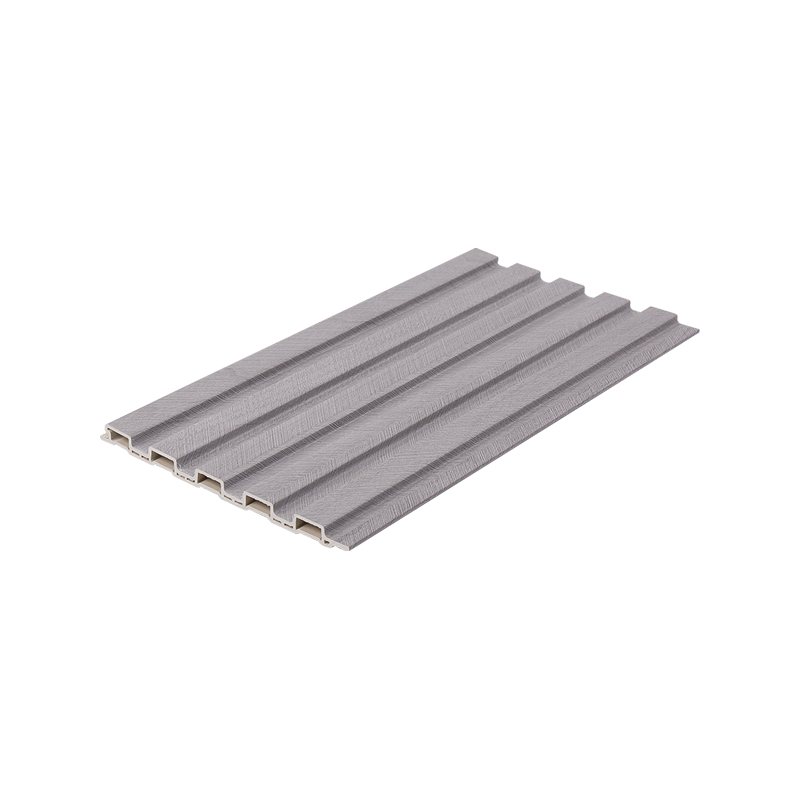
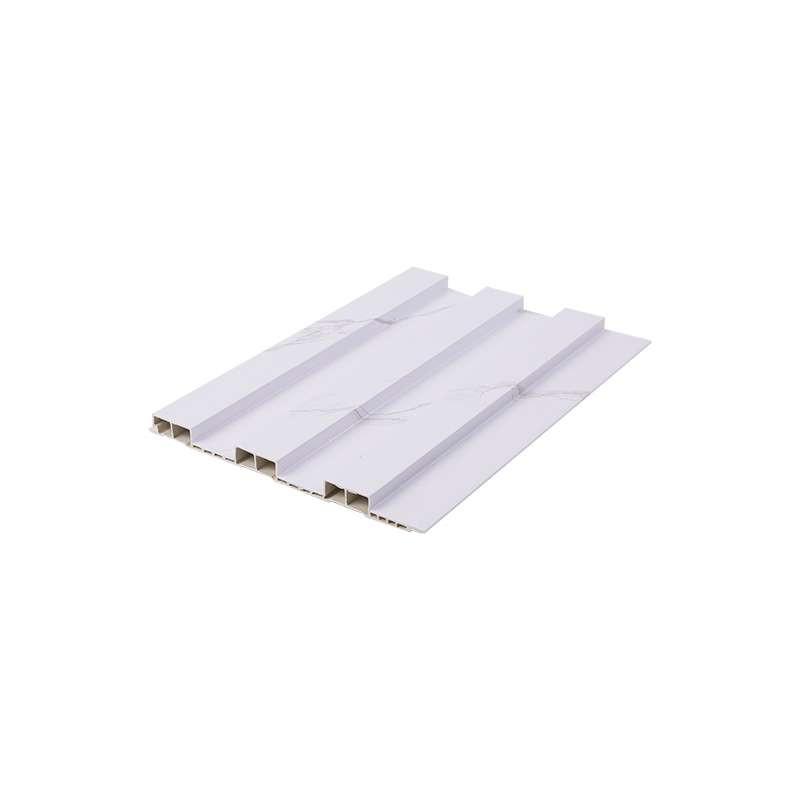
WPC (Wood-Plastic Composite) bamboo fiber board is a thermoplastic composite material manufactured by blending bamboo fiber particles — sized 40–80 mesh — with a polyethylene or polypropylene binder, then forming under heat and pressure into dimensionally stable panels with engineered surface profiles.
Long-term durability is underwritten by the polymer matrix's resistance to UV degradation when UV stabilizers are compounded into the formulation — a specification detail that separates 10-year boards from 25-year boards. Interior WPC bamboo wall panels with HALS (Hindered Amine Light Stabilizer) additives retain more than 85% of their original surface color after 2,000 hours of UV exposure testing per EN ISO 4892-2.
WPC Bamboo Fiber Board Installation: System Requirements and Site Conditions
WPC bamboo fiber board installation follows a clip-and-channel concealed fixing system in the majority of applications — the panel interlocks with the preceding panel via a tongue-and-groove edge profile, and a stainless steel or galvanized clip anchors to the subframe without penetrating the panel face. This eliminates visible fixings entirely and allows panel replacement without disturbing adjacent boards.
Subframe Specification
Fix aluminium or galvanized steel furring channels to the structural wall at 400mm centers for panels up to 200mm width, 300mm centers for wider formats. Aluminium subframes are mandatory in high-humidity environments — steel corrodes through polymer-coated fixings over time and stains panel surfaces with rust bleed.
Acclimatization Period
Store WPC bamboo boards flat in the installation environment for 48 hours before fitting. Despite low thermal expansion coefficients, boards shipped from cold storage to warm interiors require equilibration time — fitting immediately from delivery creates micro-gaps at joints as boards reach ambient temperature.
Expansion Gap Allowance
Leave 3mm expansion gap at all perimeter edges — floor, ceiling, and corner junctions. WPC bamboo expands at roughly 0.2mm per meter per 10°C temperature change. In a standard 3m wall height, this equals 0.6mm total movement — the 3mm perimeter gap accommodates this comfortably and is concealed by skirting and coving profiles.
Cutting and End Treatment
Cut WPC bamboo boards with a fine-tooth carbide blade at 3,000–4,500 RPM. Slower speeds cause fiber tear-out at the cut edge. Apply PVC or aluminium end-cap profiles to all exposed cut edges — not for moisture protection, but to protect the exposed fiber matrix from mechanical damage during cleaning and maintenance.
Clip Fixing Torque
Fix concealed clips at 5–6 Nm torque into the subframe. Over-torquing distorts the clip geometry and prevents the panel tongue from seating correctly — the most common cause of uneven panel alignment on site. Use a torque screwdriver for clip fixing, not a power drill set to friction clutch.
WPC Bamboo Fiber Board Surface Finish: UV Print, Emboss, and Coating Options
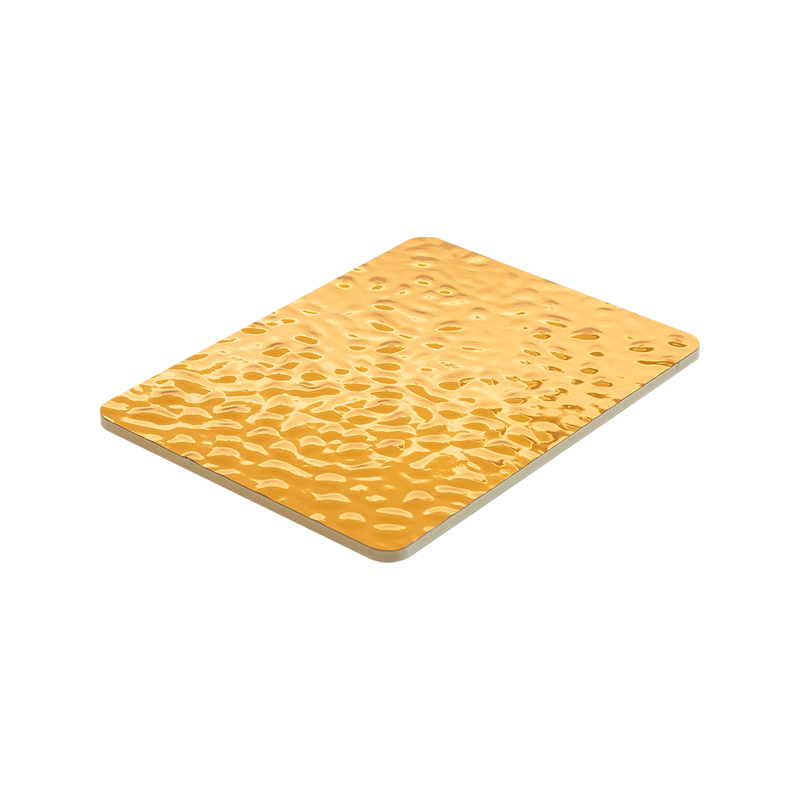
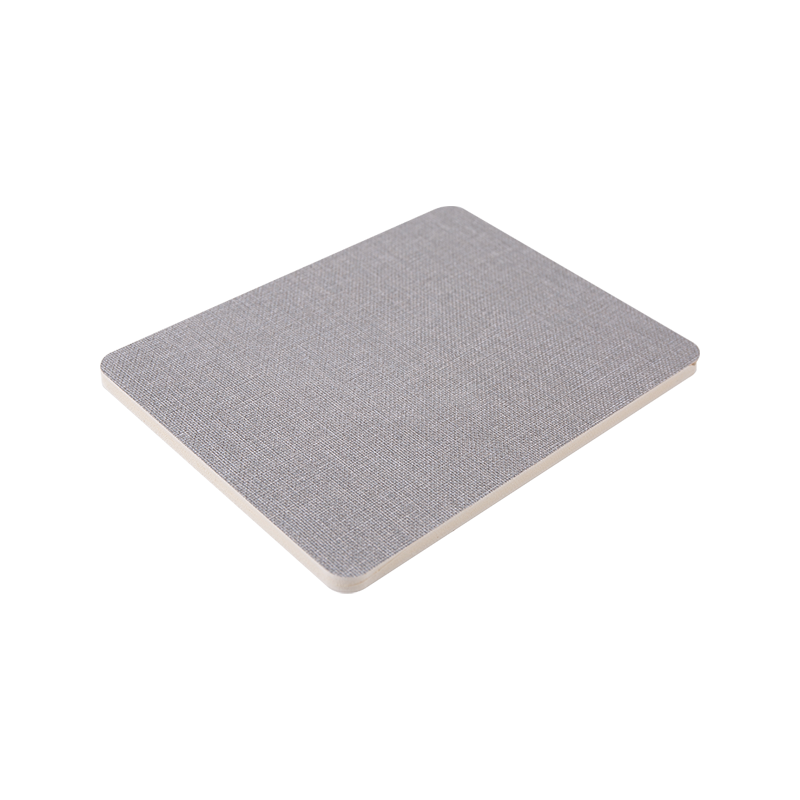
WPC bamboo fiber board surface finish is applied post-extrusion through one of three processes: direct UV digital printing onto a primed polymer surface, hot-transfer film lamination, or co-extrusion of a PMMA or ASA capstock layer with the decorative pattern embedded in the capstock itself. Capstock co-extrusion produces the most durable finish — the decorative layer is integral to the panel structure, not an applied coating that can peel or scratch through.
| Finish Method | Scratch Resistance | UV Stability | Texture Depth | Typical Life |
| Hot-transfer film | Medium — 3H pencil hardness | 3–5 years interior | Flat only | 5–8 years |
| UV digital print | Medium-high — 4H with top coat | 5–8 years with UV coat | Flat to light texture | 8–12 years |
| PMMA capstock | High — 6H pencil hardness | 15+ years | Deep emboss capable | 15–25 years |
| ASA capstock | Very high — 7H pencil hardness | 20+ years | Deep emboss + matte/gloss zones | 20–25 years |
WPC Bamboo Fiber Board for Wall Panels: Interior Application Scope
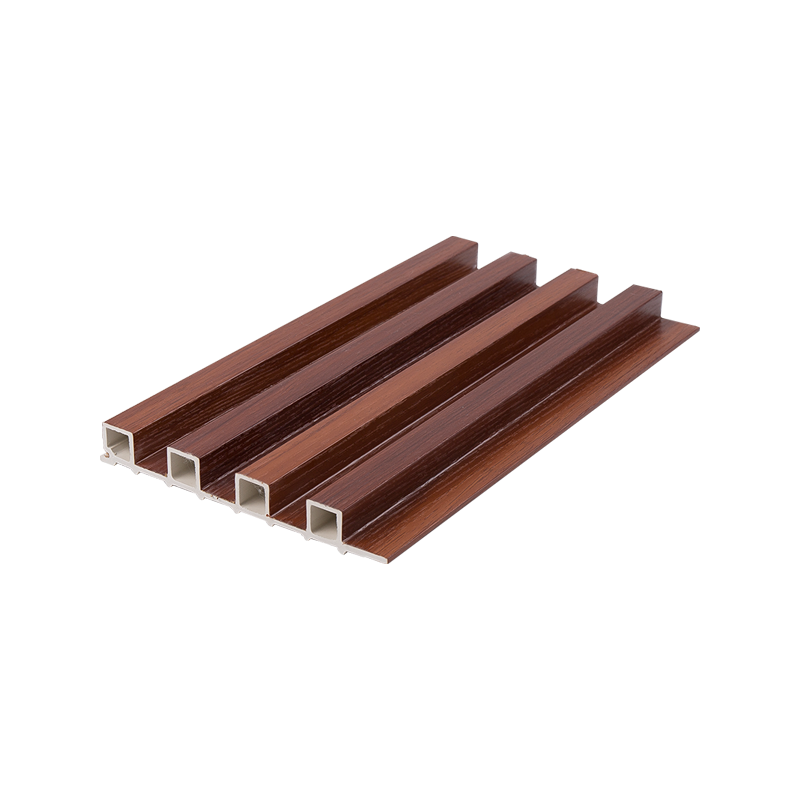
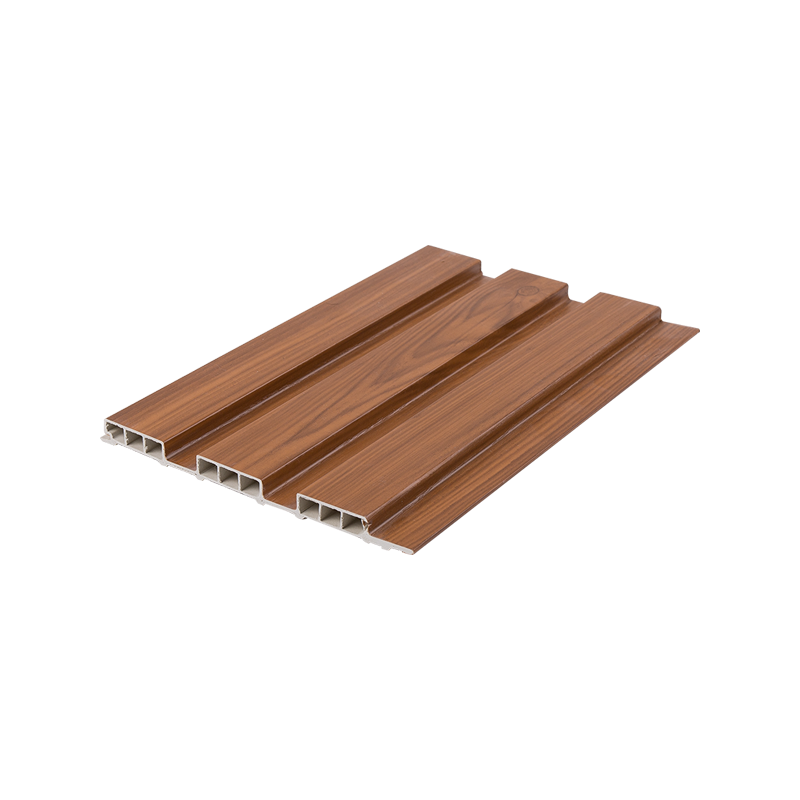
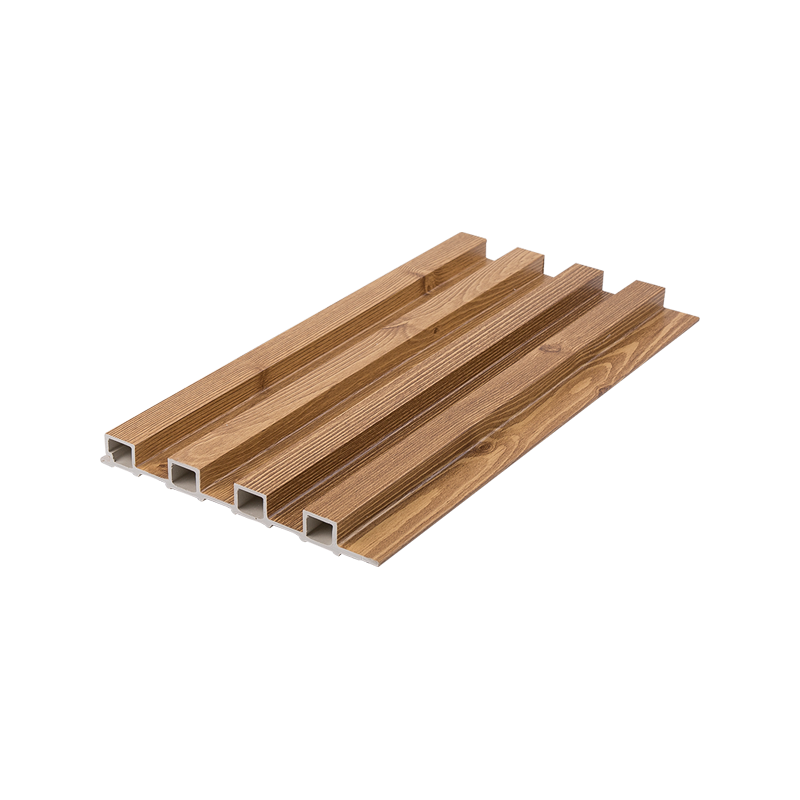
WPC bamboo fiber board for wall panels covers the full range of interior vertical surface applications — from residential feature walls and bathroom cladding to commercial reception areas, retail fit-outs, and hospitality interiors. The panel format — typically 2400–3000mm length, 150–300mm width, 8–12mm thickness — installs faster than ceramic tile (no adhesive cure time), cleaner than painted plaster (no wet trades), and with a premium finish quality that PVC foam boards cannot replicate at equivalent cost points.
WPC bamboo panels with ASA capstock finish replace ceramic tile in shower enclosures and full bathroom cladding. Grout-free installation eliminates the primary maintenance issue of tiled wet rooms — mold growth in grout joints. Seams are sealed with silicone rather than grouted, creating a continuously cleanable surface.
High-traffic commercial environments specify WPC bamboo wall panels for their impact resistance and low maintenance requirements. Panels with PMMA capstock sustain 100,000+ cleaning cycles with standard detergents without surface degradation — a requirement that eliminates painted drywall and standard laminate panels from commercial specification.
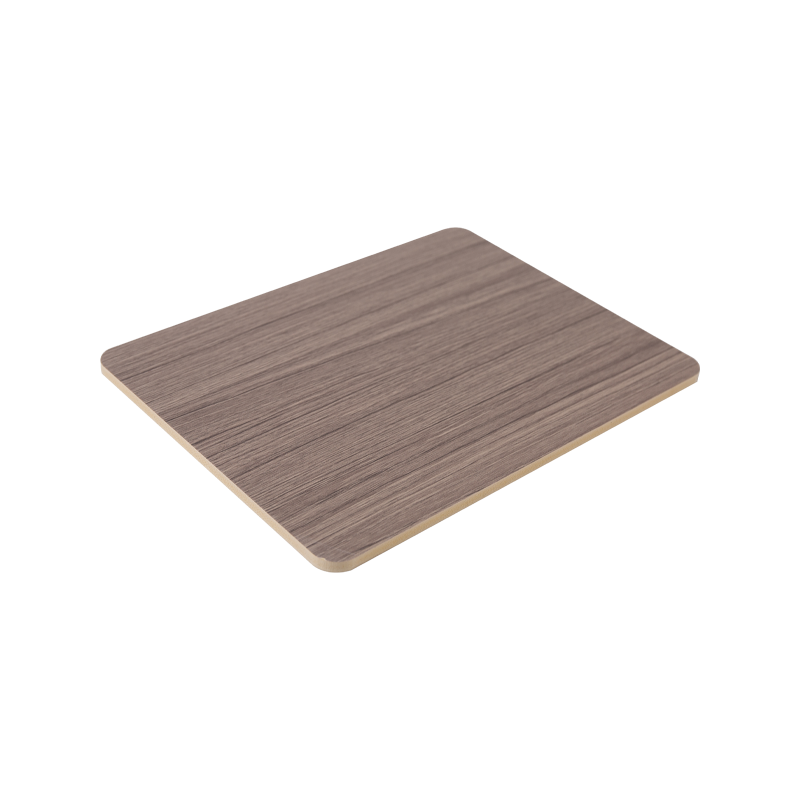
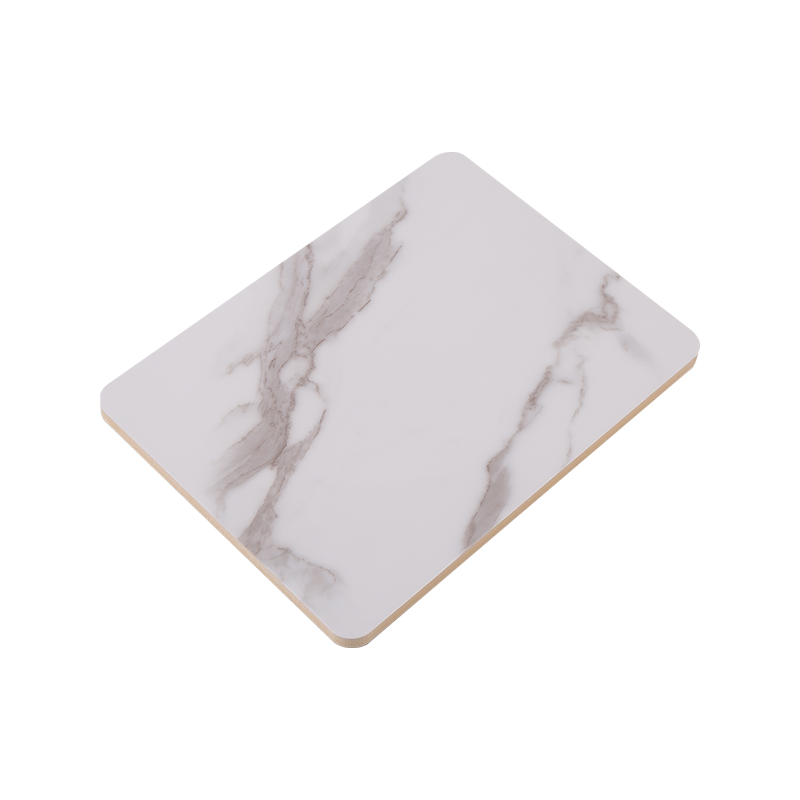
Deep-emboss wood grain and stone texture WPC panels installed as living room or bedroom feature walls achieve the visual register of natural material at a fraction of the cost and weight. At 8–12mm thickness and 6–9 kg/m2, WPC bamboo panels can be installed over existing wall surfaces without structural modification.
WPC Bamboo Fiber Board vs PVC Wall Panels: The Material Case
WPC bamboo fiber board vs PVC wall panels is the most common specification decision in interior wall cladding. PVC foam board dominates the entry-level market on cost alone — it is cheaper per square meter, lighter, and faster to cut. WPC bamboo commands a 20–40% price premium that is justified by measurable performance differences across every technical criterion that determines long-term value.
Specification Verdict
PVC foam wall panels are appropriate for temporary installations, rental properties, and cost-driven residential projects with a 5–8 year replacement horizon. For any application where surface quality, dimensional stability, impact resistance, or lifespan beyond 10 years matters, WPC bamboo fiber board is the correct specification. The 20–40% cost premium is recovered within 3–5 years through eliminated maintenance, repainting, and panel replacement costs that PVC installations consistently accumulate.

 Tel:
Tel:
 E-mail:

