


 Español
 中文简体
中文简体 عربى
عربىArticle Directory
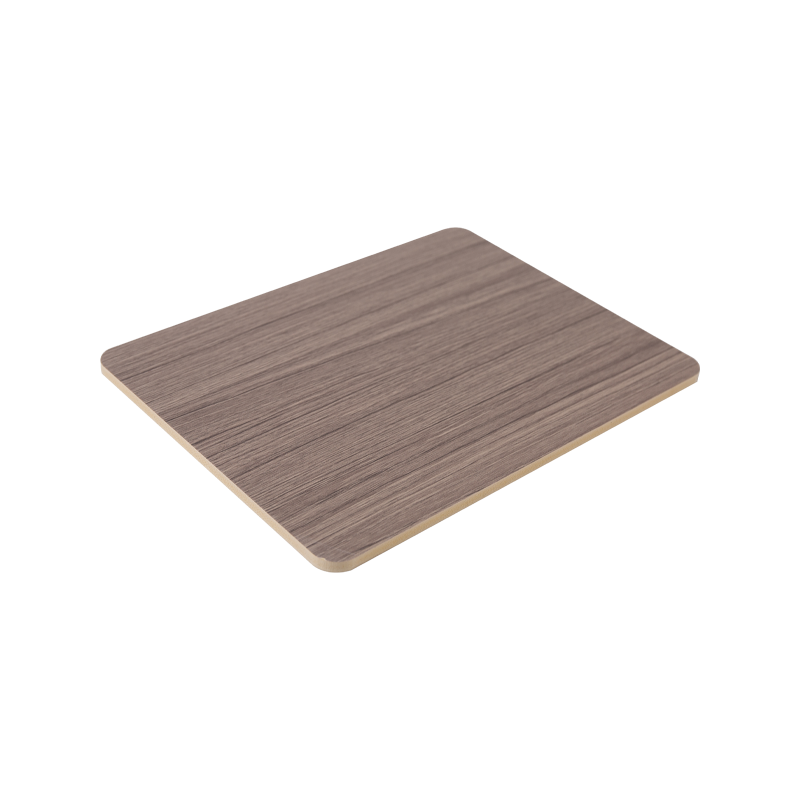
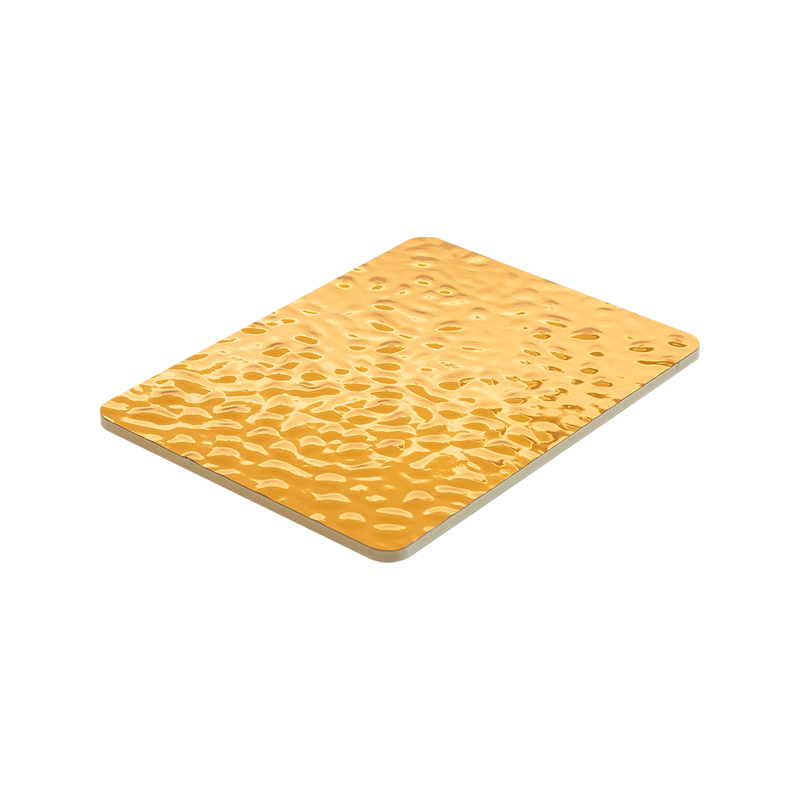
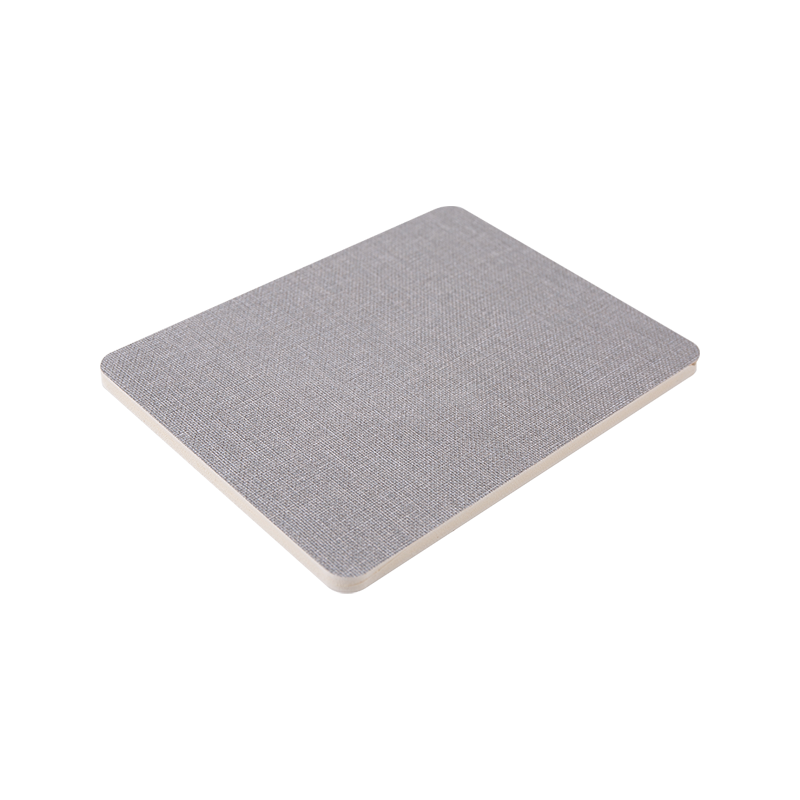
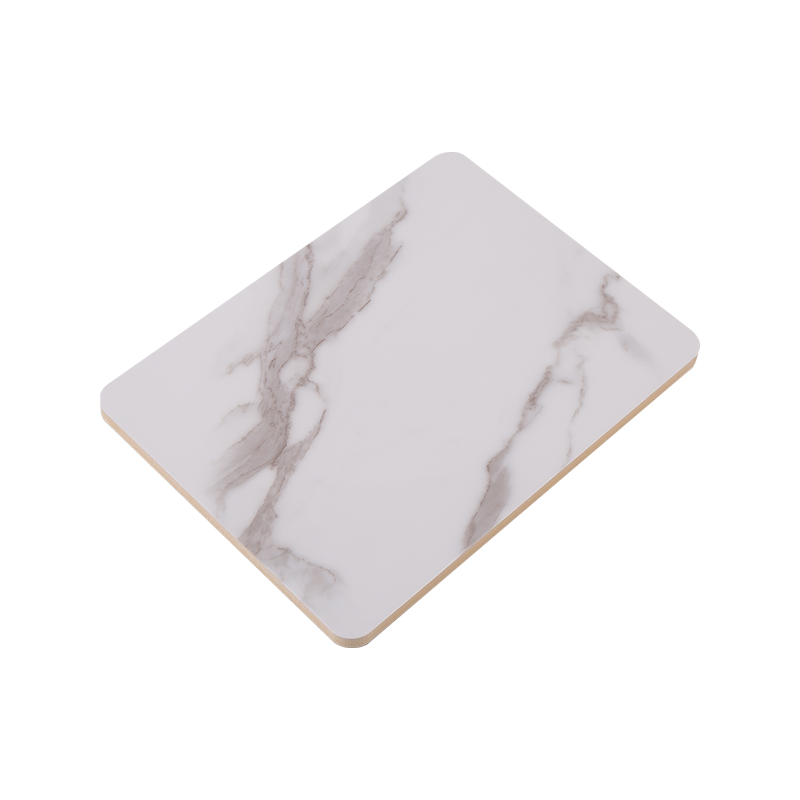
A interior WPC panel combines wood fibre and thermoplastic polymer into a composite that outperforms both materials independently — delivering the warmth of timber with the moisture resistance and dimensional stability of PVC. Increasingly specified for hospitality fit-outs, residential feature walls, and commercial lobbies, WPC panels have displaced traditional timber cladding in moisture-prone interiors where wood rot and warping were previously unavoidable maintenance costs.
Which WPC Panel Suits Interiors?
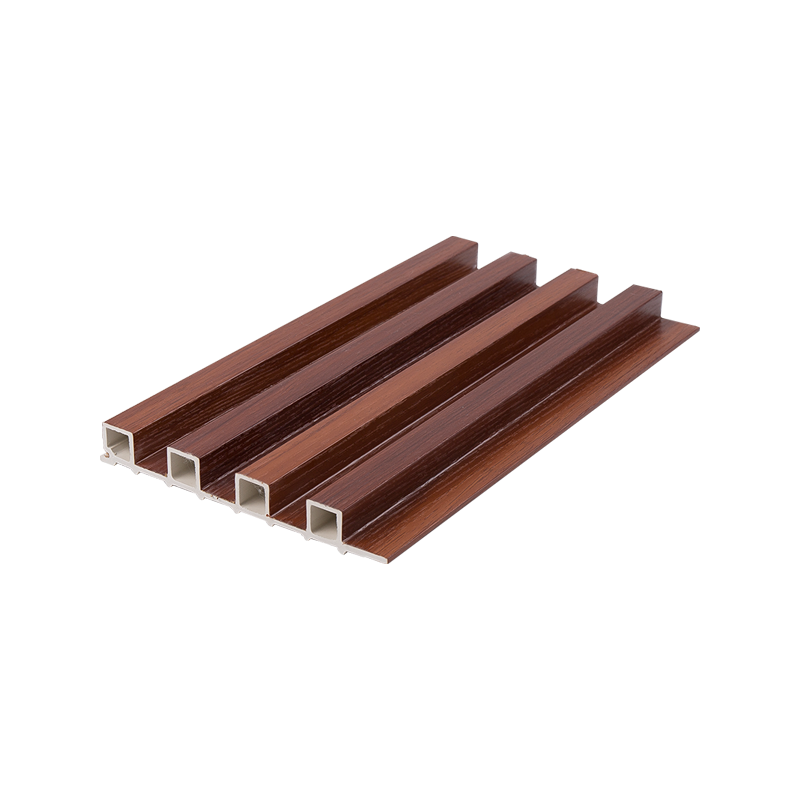
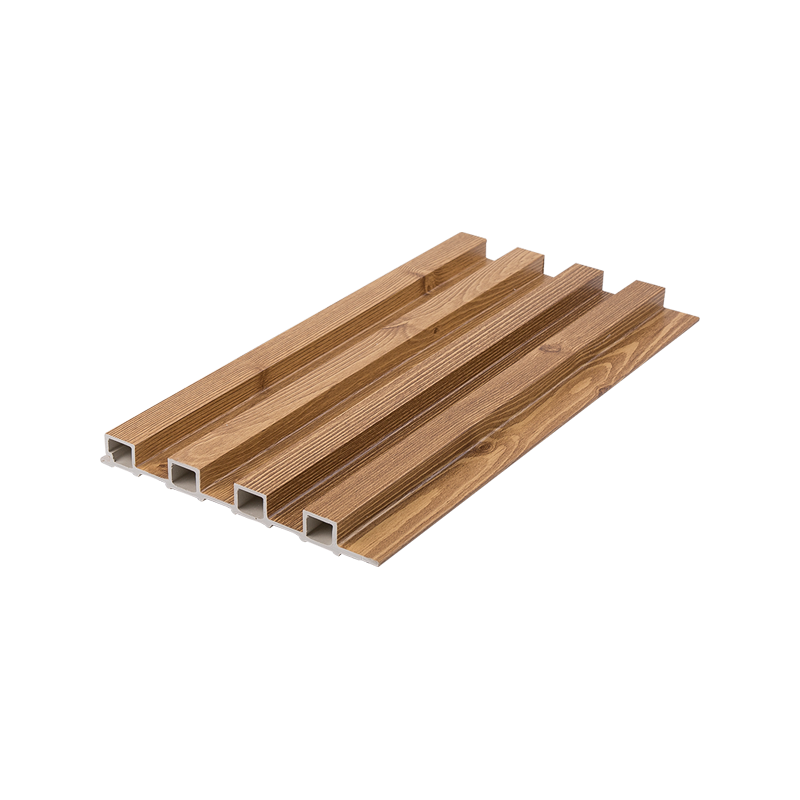
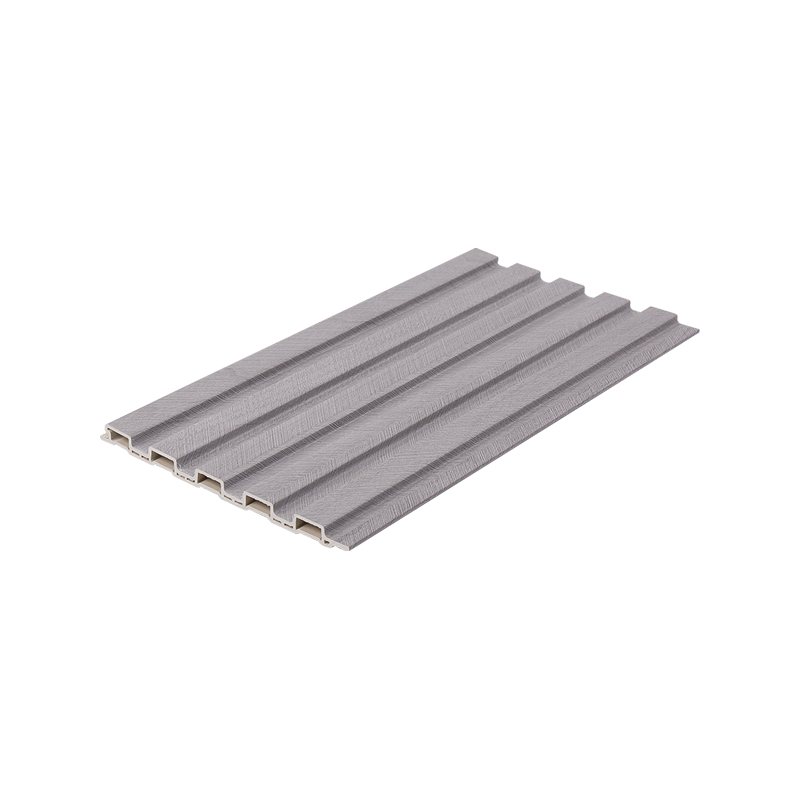
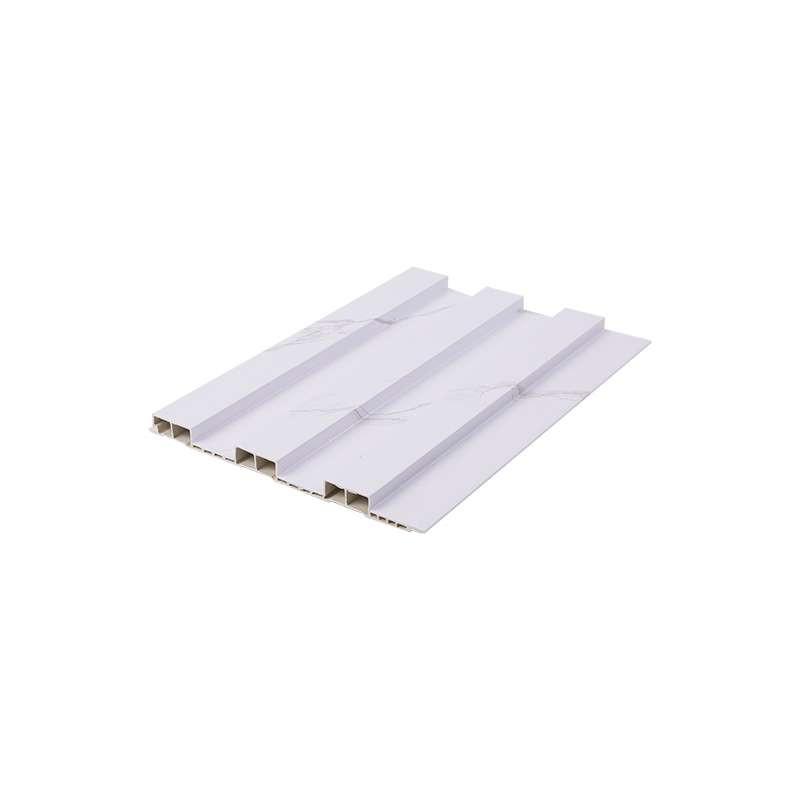
Interior WPC panels are produced in three core constructions — solid, hollow-core, and co-extruded — each optimised for a different performance and budget profile. The right construction depends on the wall type, acoustic requirement, and the visual finish priority.
A protective polymer cap layer is extruded simultaneously over the WPC core, creating a sealed surface that resists scratching, staining, and UV fading without any additional coating. Surface hardness reaches 3,500 N/mm2 — comparable to hardwood flooring. Specified for hotel corridors, retail, and high-traffic residential hallways where appearance retention over 15+ years is required.
Full-density composite throughout the panel cross-section. No air gaps means better impact resistance and a more substantial feel underhand — important for residential feature walls where touch quality matters. Weight of 12–16 kg/m2 requires adequate wall fixings. Ideal for living rooms, bedrooms, and retail display walls where the panel will not face moisture.
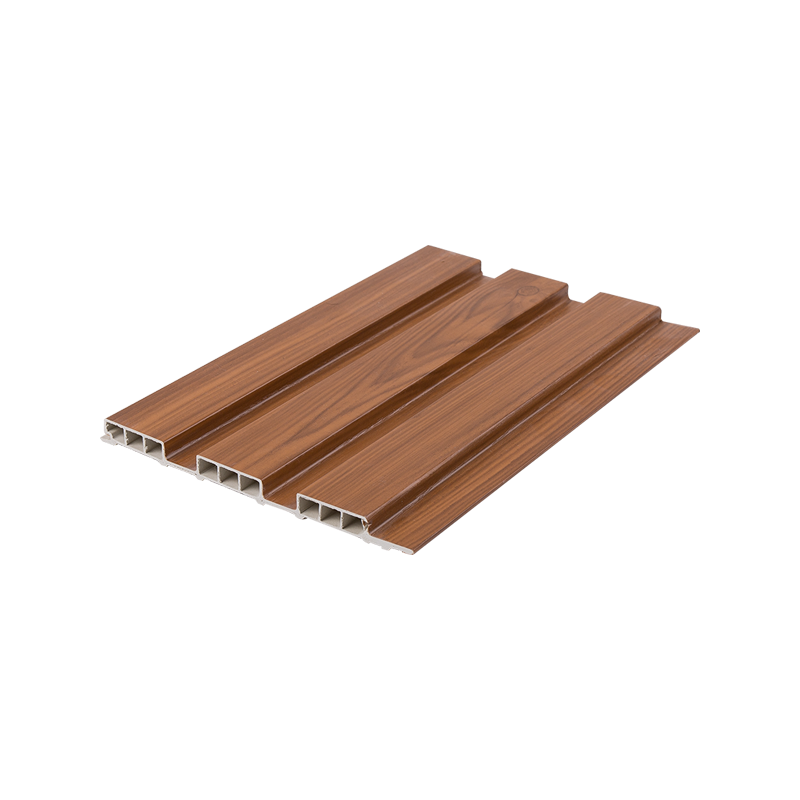
Internal ribbed void structure reduces weight to 6–9 kg/m2 and lowers material cost by 25–35% versus solid panels. The hollow chambers also provide minor acoustic attenuation — around 18–22 dB sound reduction — making this construction useful for partition walls in offices and apartments. Not recommended for bathroom or kitchen splash zones where edge sealing is impractical.
WPC panels have displaced traditional timber cladding in moisture-prone interiors. Where solid wood warps within 18 months in a bathroom or basement environment, a closed-cell WPC panel maintains dimensional stability indefinitely under the same conditions.
How Durable Is WPC Panel?
WPC panel durability is measured across four independent performance axes: surface hardness, moisture resistance, thermal stability, and fire performance. Interior WPC panels outperform timber on three of these four axes and match timber on surface hardness when co-extruded.
| Performance Axis | Solid Timber | MDF / Plywood | Hollow WPC | Co-Extruded WPC |
| Surface Hardness (N/mm2) | 1,500–4,000 | 600–900 | 1,800–2,400 | 3,000–3,500 |
| Moisture Resistance | Poor — swells | Very poor — delaminates | Excellent | Excellent |
| Dimensional Stability | Moderate — seasonal | Poor — warps | Good | Very Good |
| Fire Class (EN 13501) | D–E | D–E | B1–B2 | B1 |
| Expected Interior Lifespan | 10–20 yrs | 5–10 yrs | 15–20 yrs | 20–25 yrs |
One durability caveat: WPC panels with an open-cell or wood-fibre-rich core can absorb moisture through exposed end cuts. All site-cut edges must be sealed with a compatible end-grain sealant within 30 minutes of cutting. Failure to seal cut edges is the primary cause of edge swelling in otherwise correctly installed WPC wall systems.
What Thickness Works Best Indoors?
Panel thickness determines rigidity, acoustic performance, and the fixing method required. Interior applications typically use panels between 9 mm and 25 mm — the right specification depends on the wall substrate and the acoustic or thermal requirement.
Applied directly over flat, dry plasterboard or existing wall surfaces using contact adhesive. Minimal substrate preparation required. Suitable for feature walls, bedroom headboard walls, and retail display surfaces. Not appropriate for humid zones — thin panels flex at fixing points if moisture causes substrate movement.
The most widely specified thickness range for interior wall cladding. Provides sufficient rigidity to span minor substrate irregularities up to 4 mm without bridging or visible panel deflection. Compatible with clip-and-track aluminium systems, which allow panel replacement without disturbing adjacent panels. Recommended for bathrooms, kitchens, and commercial interiors.
Used in conference rooms, home cinemas, and hotel corridors where sound attenuation is a design requirement. Panels at 25 mm with mineral wool cavity backing achieve 35–42 dB Rw — meeting Class C acoustic requirements for commercial partitions under ISO 717-1. Frame fixing to timber battens or steel studs is required at this weight.
How to Install WPC Panels
Most interior WPC panels are installed using a clip-and-track aluminium system that conceals all fixings and allows thermal expansion of up to 1.5 mm per metre — essential for climate-controlled interiors where temperature fluctuates between 15°C and 35°C seasonally.
Prepare the Substrate
The wall surface must be clean, dry, and structurally sound. Check flatness using a 2-metre straight edge — tolerance is 4 mm over 2 metres for adhesive-fixed panels, 6 mm for clip-track systems. Fill any holes or voids with a fast-set filler and allow full cure. For masonry walls, apply a moisture barrier membrane if the wall shows any history of damp penetration.
Fix the Aluminium Track or Battens
Mark a level horizontal line at the panel start height. Fix the bottom starter track to the wall using appropriate anchors for the substrate — M6 masonry anchors at 400 mm centres for concrete and block, 50 mm wood screws at 300 mm centres for timber stud walls. Vertical aluminium battens run floor to ceiling at 400–600 mm centres for clip systems. Check plumb on every batten using a spirit level or laser.
Acclimatise Panels Before Installation
Leave panels flat in the installation room for a minimum of 48 hours before fixing. WPC panels expand and contract at approximately 3 mm per metre over a 20°C temperature range. Installing panels that have not acclimatised to the room's ambient temperature will result in visible joint gaps or buckling within the first heating season. Stack panels flat — never stand them on edge for storage.
Clip and Engage Each Panel
Engage the bottom groove of the first panel into the starter track. Press the top edge against the batten and insert the spring clip into the groove — the clip locks the panel face-flat while allowing lateral thermal movement. Work panel by panel upward. Maintain a 3–5 mm expansion gap at all perimeter edges — ceiling, floor, and side walls — concealed under the aluminium trim profile.
Seal Cuts and Fit Trim Profiles
All site-cut panel edges must be treated with end-grain sealant within 30 minutes of cutting. Apply aluminium corner trims, end caps, and ceiling/floor cover strips using the manufacturer's snap-fit or screw-fix profiles. Seal the junction between the WPC panel system and adjacent wet areas (shower enclosures, window reveals) with a neutral-cure silicone sealant compatible with PVC substrates — do not use acid-cure silicone, which degrades the polymer surface.

 Tel:
Tel:
 E-mail:

