


 Español
 中文简体
中文简体 عربى
عربىArticle Directory
- 1 Mechanical Integration via Tongue-and-Groove Systems
- 2 Substrate Preparation and Thermal Expansion Management
- 3 Structural Composition and Material Durability
- 4 Technical Performance of WPC vs. Traditional Wood Panels
- 5 Integrated Factory Services and Global Supply
- 6 Hardcore Technical FAQ
- 7 Technical References
Mechanical Integration via Tongue-and-Groove Systems
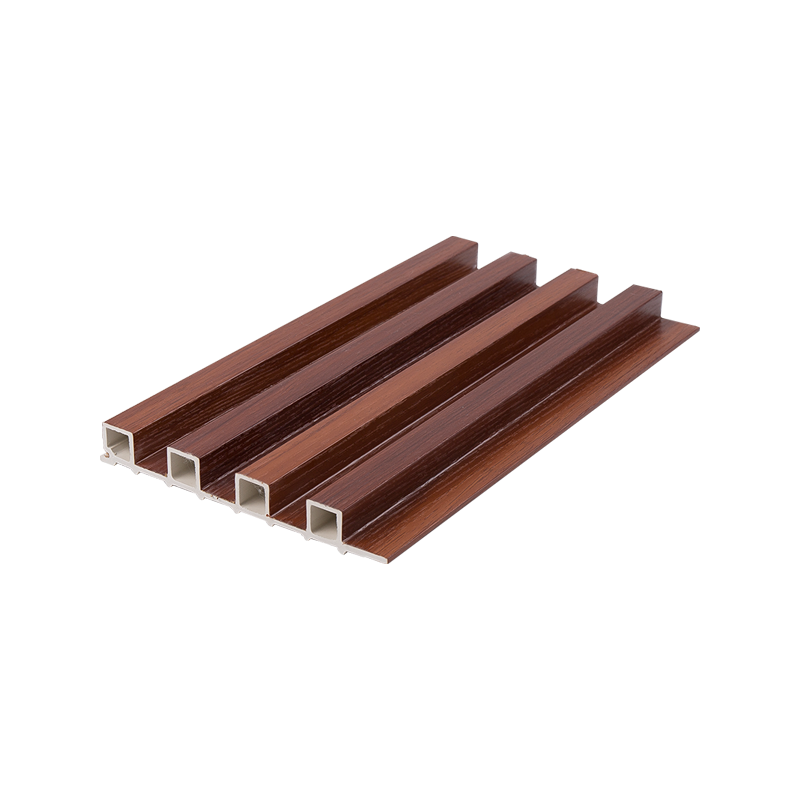
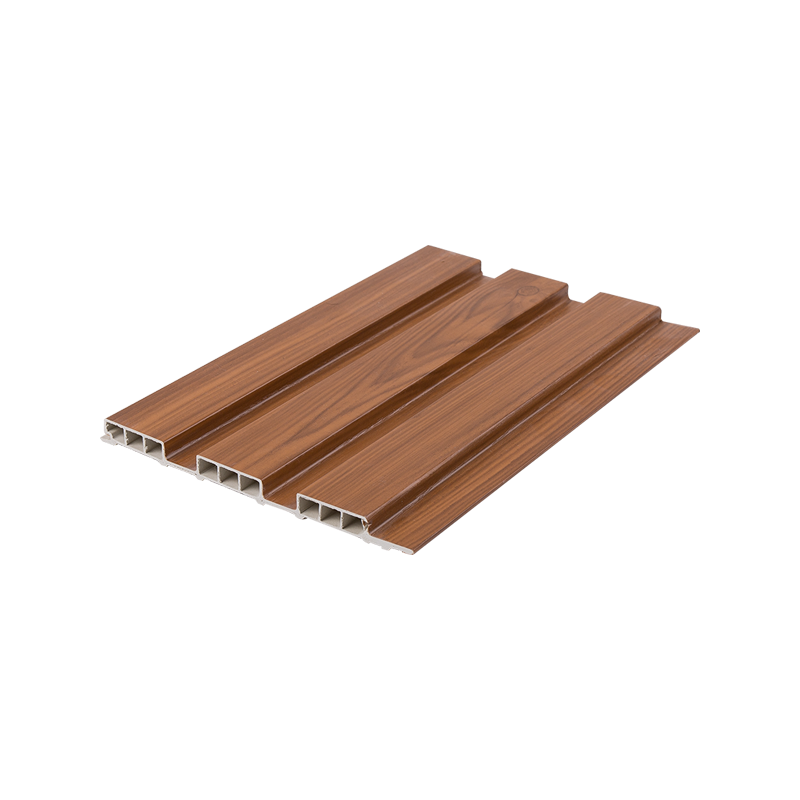
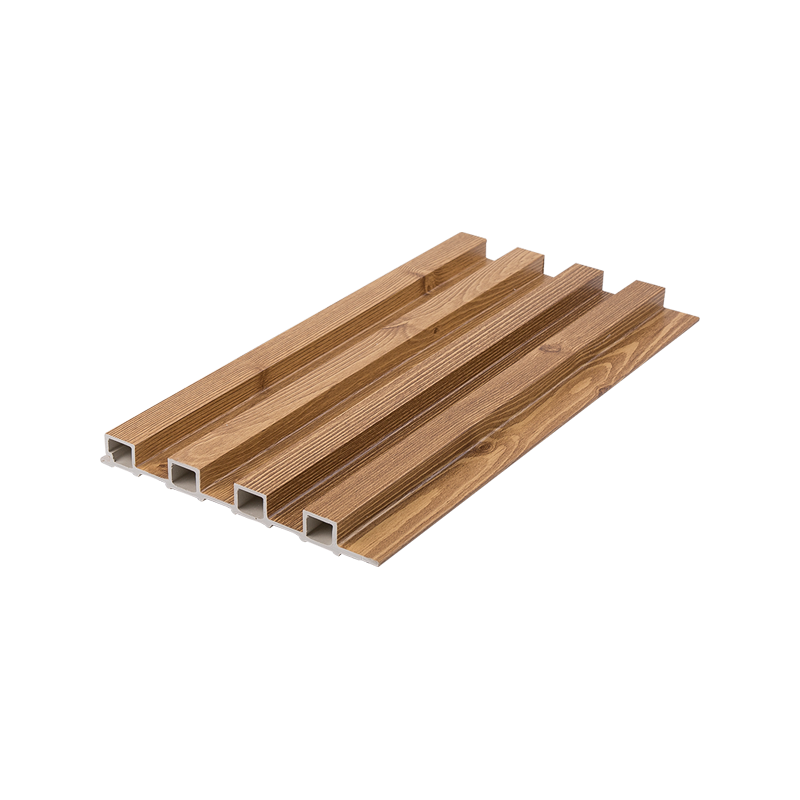
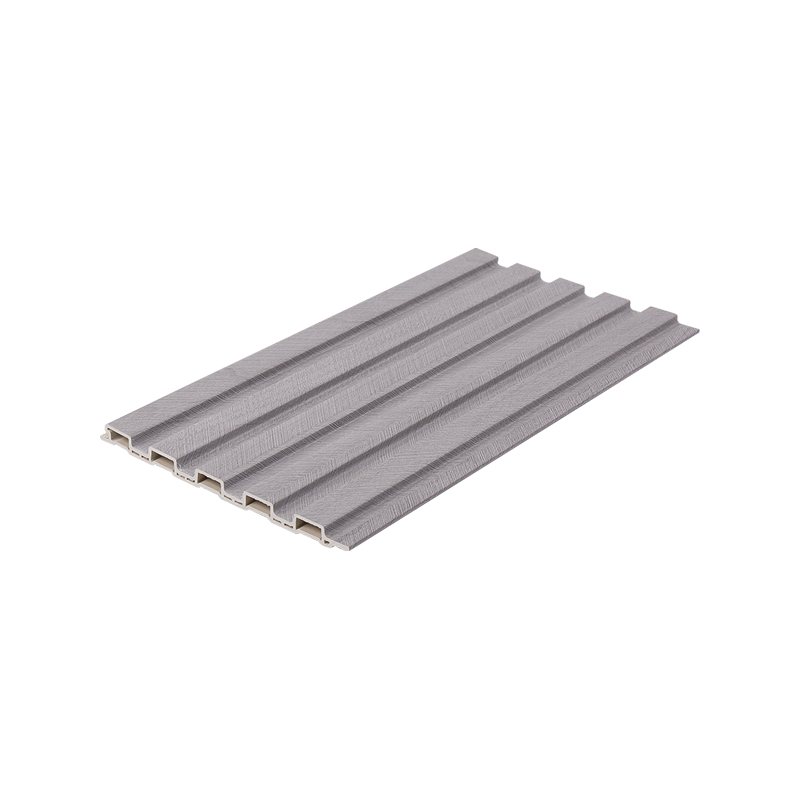
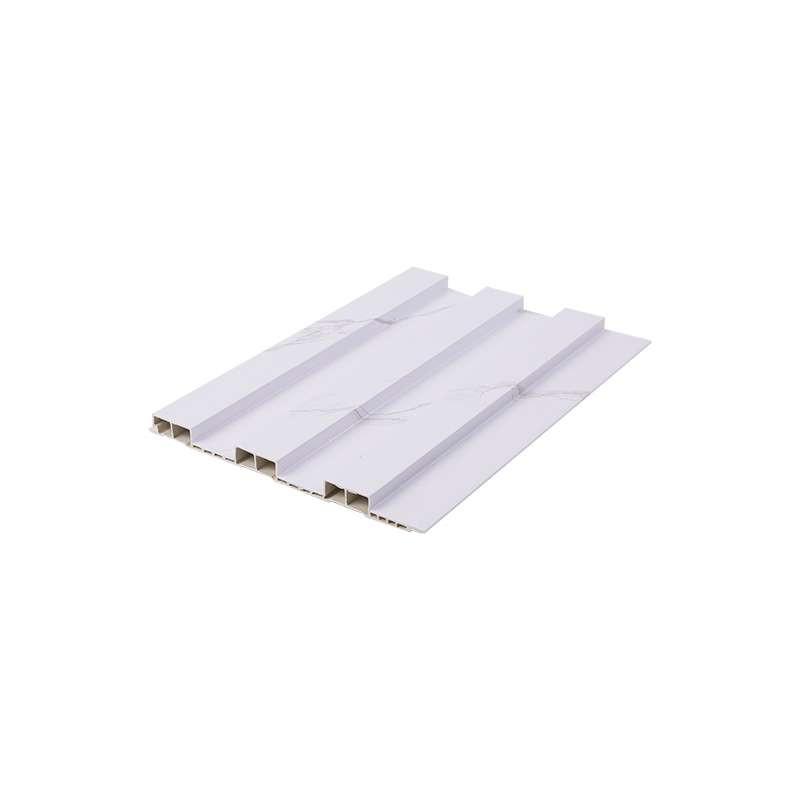
- Precision Interlocking: Modern wpc wall panel board features a CNC-machined tongue-and-groove profile that allows for seamless vertical or horizontal alignment. This mechanical fit ensures that panels remain flush, significantly reducing the specialized carpentry skills required for a professional finish.
- Fastener Concealment: The design allows for the use of stainless steel clips or "start-up" profiles. By securing the clip to the groove and anchoring it to the wall or keel, the fasteners remain completely hidden, which is a core advantage of WPC wallboard installation for aesthetic consistency.
- Dimensional Tolerance: Haining Jiazhimeng utilizes advanced production equipment to maintain strict tolerances within ±0.5mm. This high precision prevents gaps and uneven surfaces that typically complicate DIY projects using traditional timber.
Substrate Preparation and Thermal Expansion Management
- Surface Leveling Requirements: While WPC is versatile, the installation surface must have a flatness deviation of less than 3mm over a 2-meter span. If the wall is uneven, a wooden or light-gauge steel keel system (spaced 300mm to 400mm apart) must be installed first to provide a stable foundation.
- Expansion Gap Calculation: Being a composite material, WPC exhibits a linear thermal expansion coefficient. A gap of 3mm to 5mm should be maintained at the floor and ceiling junctions to accommodate seasonal temperature fluctuations, particularly in the Middle East and Southeast Asia climates.
- Cutting and Machining: Standard woodworking tools, such as a miter saw with a fine-tooth blade (60-80T) and a cordless drill, are sufficient for composite wall cladding DIY tasks. No specialized industrial machinery is required at the installation site.
Structural Composition and Material Durability
- Core Density and Stability: Our bamboo wood fiber and WPC products are engineered for high density (typically 0.6 to 0.9 g/cm³), providing superior impact resistance compared to standard PVC panels. This makes them ideal for high-traffic residential areas.
- Water and Termite Resistance: Unlike natural wood veneer, wpc wall panel board is inherently waterproof. With 17 years of experience in interior decoration materials, Haining Jiazhimeng ensures the polymer-to-fiber ratio prevents moisture absorption, eliminating the risk of rot or mold in humid environments.
- Adhesion Technology: For direct-to-wall applications on smooth surfaces, high-strength structural adhesives (neutral silicone or MS polymer) can be used. This "one-step" method simplifies the process for homeowners seeking a quick renovation solution.
Technical Performance of WPC vs. Traditional Wood Panels
- Formaldehyde Emission: E0 Grade (≤ 0.5 mg/L)
| Technical Property | WPC Wall Panel Board | Traditional Natural Wood |
| Installation Time | Low (Interlocking) | High (Sanding/Painting) |
| Water Absorption Rate | < 0.5% | 15% - 25% |
| Termite Resistance | High (Synthetic content) | Low (Natural cellulose) |
| Flame Retardancy | B1 Class | Class B3 (Flammable) |
Integrated Factory Services and Global Supply
- R&D and Customization: Haining Jiazhimeng Integrated Home Co., Ltd. is a factory enterprise with independent research and development capabilities. We began developing WPC in 2013, focusing on updating our products to provide the highest quality to our partners.
- One-Stop Solution: To provide customers with convenience and "worry-free" service, we not only produce wpc wall panel board but also coordinate with manufacturers for supporting lines, lamp strips, and wood veneers.
- Export Expertise: We provide customized services for Southeast Asia, Australia, and the Middle East, ensuring that every batch meets the specific environmental and regulatory standards of the target market to achieve win-win results.
Hardcore Technical FAQ
- Can WPC panels be installed in bathrooms?: Yes, due to their waterproof nature, they are suitable for non-shower areas. However, proper sealing at the joints is recommended to prevent water seepage behind the panels.
- What is the maximum span between support keels?: For wpc wall panel board, the maximum recommended distance between keels is 400mm to prevent any deflection or "oil-canning" of the panel surface.
- How do you handle corner transitions?: We provide matching L-shaped trim and internal corner profiles that snap onto the panel edges, ensuring a clean transition without the need for complex miter cuts.
- Does the color fade over time?: Our panels use high-performance UV-resistant films and pigments. While minor shifts may occur under direct sunlight, the rate is significantly lower than that of natural wood.
- Is the installation reversible?: When using the clip-on system, wpc wall panel board can be disassembled without damaging the panels, making it an ideal choice for temporary commercial spaces or rental renovations.
Technical References
- ASTM D7031: Standard Guide for Evaluating Mechanical and Physical Properties of Wood-Plastic Composite Products.
- EN 13501-1: Fire classification of construction products and building elements.
- ISO 14021: Environmental labels and declarations – Self-declared environmental claims (Type II environmental labeling).

 Tel:
Tel:
 E-mail:

