


 Español
 中文简体
中文简体 عربى
عربىArticle Directory
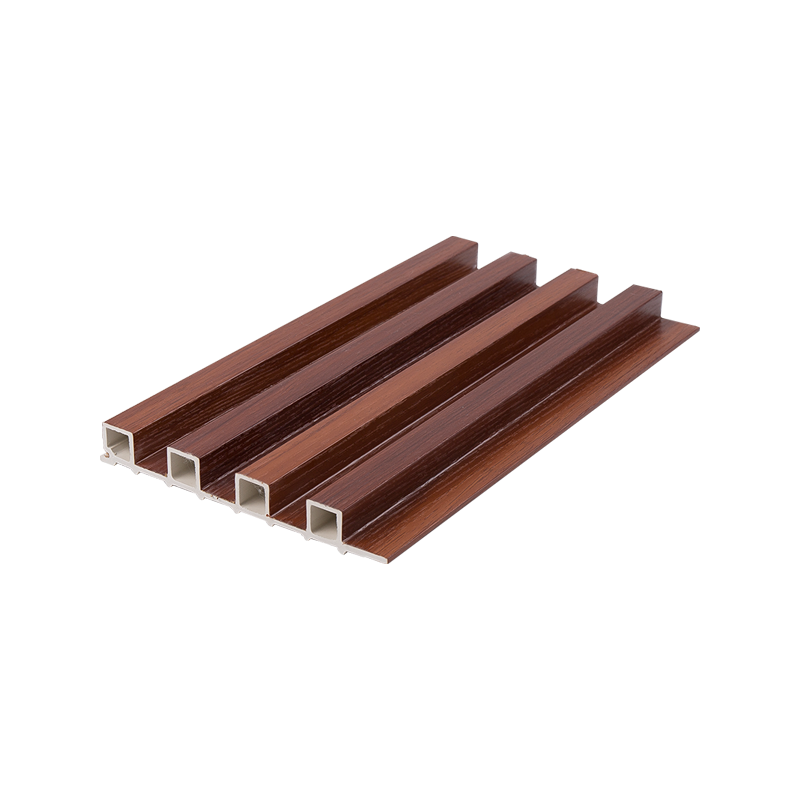
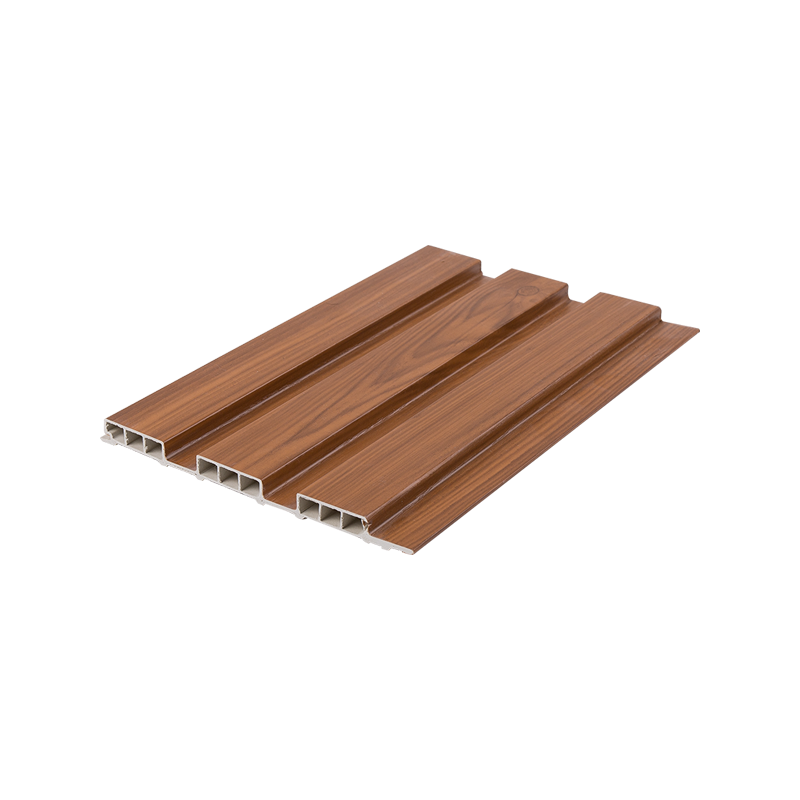
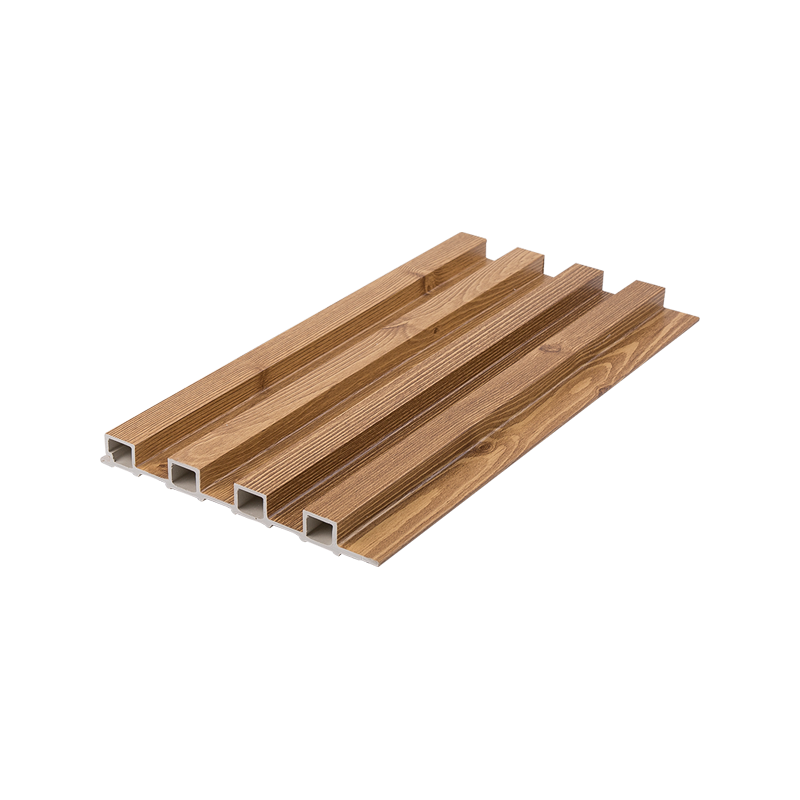
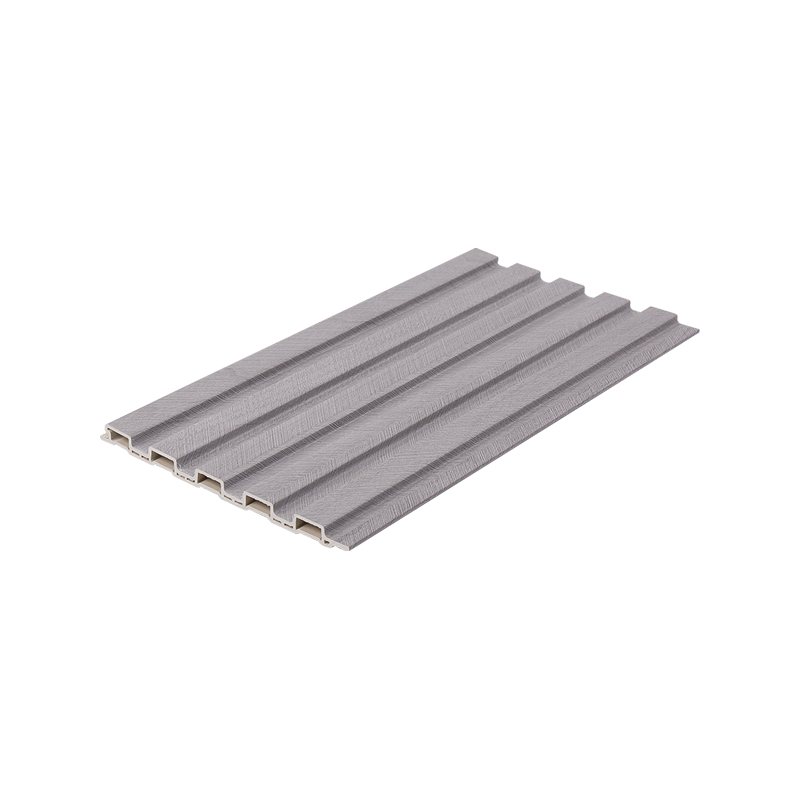
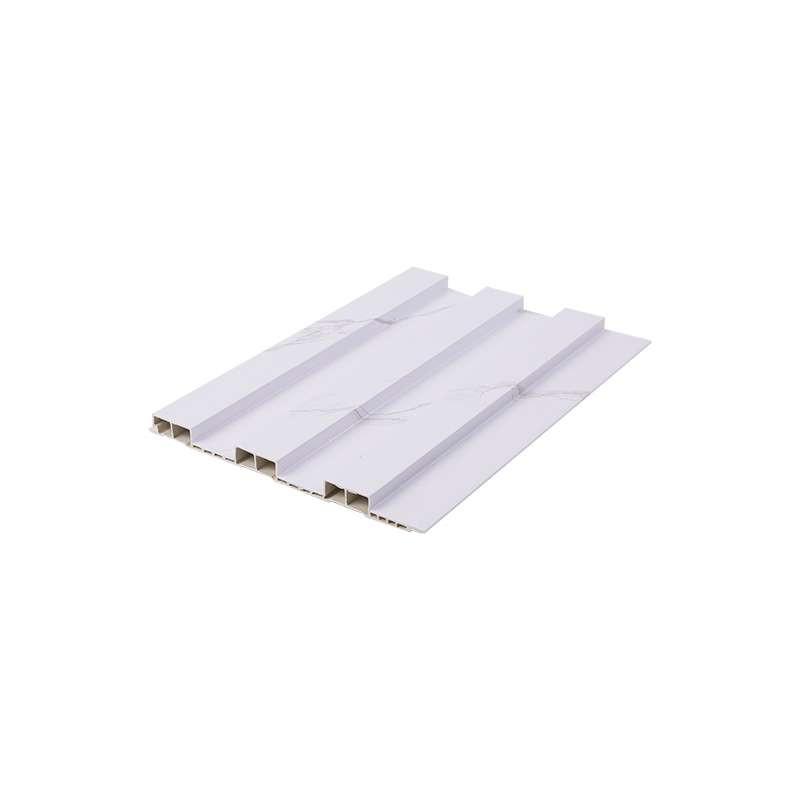
The WPC louvers wall panel has become the benchmark material for architects and interior designers who need the warmth of timber without its maintenance burden. Built from a blend of wood fibers and thermoplastic polymers, these panels deliver structural strength, design versatility, and climate durability that solid wood simply cannot match.
WPC Louvers vs Wood Panels: Why the Switch Makes Sense
WPC louvers outperform traditional wood on every measurable dimension relevant to long-term wall cladding. Solid wood panels absorb moisture, warp under humidity, attract termites, and require repainting every two to three years. WPC eliminates all of these failure points from day one.
- Does not warp, crack, or split
- Zero termite or pest vulnerability
- No sanding, staining, or sealing needed
- Consistent color and texture over decades
- Available in custom profiles and finishes
- Made from recycled wood fibers and plastic
- Warps and swells with humidity changes
- Requires chemical termite treatment
- Annual maintenance cost adds up quickly
- Fades and discolors within 3 to 5 years
- Limited profile options without custom milling
- Requires virgin timber, higher ecological cost
For commercial projects with large surface areas, the maintenance cost gap alone justifies the switch. A mid-size office lobby using 200 square meters of timber cladding can spend upward of USD 4,000 per maintenance cycle — a cost WPC panels eliminate entirely after installation.
WPC Louvers Indoor Outdoor Use: What Changes Between the Two
WPC louvers wall panels are genuinely suitable for both indoor and outdoor applications, but the correct product specification differs between the two environments. Using the wrong grade outdoors is the most common installation mistake.
Indoor WPC louvers prioritize fine surface finish and formaldehyde-free certifications. Outdoor WPC louvers must carry UV co-extrusion coating and a weatherproof protective layer — the two product lines are not interchangeable.
| Application | Recommended Grade | Expected Lifespan | Key Spec to Verify |
| Living room feature wall | Standard interior | 20 to 25 years | E0/E1 formaldehyde rating |
| Bedroom accent panel | Standard interior | 20 to 25 years | Low-VOC certification |
| Balcony or terrace wall | Exterior UV-coated | 15 to 20 years | Co-extrusion UV armor layer |
| Building facade cladding | Exterior UV-coated | 15 to 20 years | Wind load and fire rating |
| Covered pergola or patio | Exterior UV-coated | 18 to 22 years | Moisture resistance class |
Interior environments shielded from direct sunlight see virtually no fading risk. Outdoor settings with full sun exposure require UV-stabilized panels; without that protection layer, color degradation begins within 18 to 24 months of installation.
WPC Wall Panel UV Resistance: How the Technology Works
UV resistance in premium WPC panels is not a surface coating applied after manufacturing — it is engineered into the material through a co-extrusion process that bonds a dense UV-stabilizer layer directly to the panel's outer shell.
Standard WPC panels use a single-layer extrusion where wood fiber and plastic are blended uniformly. Co-extruded panels add a second outer shell during the same manufacturing pass, creating a distinct protective skin that is chemically bonded to the structural core. This outer layer contains UV absorbers and HALS (Hindered Amine Light Stabilizers) — the same compounds used in high-performance automotive and marine coatings.
Darker panel colors absorb more solar radiation and may show slight tonal shift after 8 to 10 years of full outdoor exposure. Lighter neutrals and wood-tone finishes maintain visual consistency longest. For facades receiving more than 6 hours of direct sun daily, specify panels with a Delta-E color shift rating of less than 3.0 over 10 years.
For indoor applications near large windows or in sunrooms, standard interior-grade WPC louvers perform reliably because glass filters the most damaging UV wavelengths before they reach the panel surface.
How to Install WPC Louver Panels: Step-by-Step Process
Installing WPC louvers wall panel systems correctly determines both their final appearance and their long-term performance. The process requires basic carpentry tools and can typically be completed by two people at a rate of 15 to 20 square meters per day.
- Prepare the substrate wall The mounting surface must be clean, dry, and structurally sound. Remove dust, loose paint, and any protruding fixings. For masonry walls, check flatness with a 2-meter spirit level — any deviation over 5mm requires leveling compound before proceeding.
- Install the batten framework Fix horizontal or vertical aluminum or treated timber battens to the wall at 400mm centers. Battens must be perfectly level. For outdoor applications, use aluminum battens only — timber battens in exterior settings introduce the moisture risk you are trying to eliminate.
- Mark and set the first panel Begin from the most visible corner or a pre-established centerline. The first panel sets the alignment for the entire installation. Use a plumb line for vertical runs, a chalk line for horizontal. Secure with concealed clips rather than face screws wherever appearance matters.
- Account for thermal expansion gaps WPC expands and contracts with temperature. Leave a 5 to 8mm gap at all perimeter edges and between panel end-joins. Skipping this step is the primary cause of buckling in installed panels. The gap is concealed by trim profiles during finishing.
- Fix panels and apply finishing trims Clip each panel into the batten framework, checking alignment every third panel. Apply matching PVC or aluminum edge trims to all exposed ends, corners, and perimeter lines. Trims create a clean finish and protect panel cross-sections from moisture ingress in outdoor settings.
Frequently Asked Questions
Can WPC louver panels be used in bathrooms or high-humidity kitchens?
Yes. WPC panels have zero water absorption, making them well suited for bathrooms, wet rooms, and commercial kitchens. Specify interior-grade panels with an E0 or E1 formaldehyde certification for enclosed indoor spaces with limited ventilation.
How do WPC louvers compare to PVC panels in outdoor performance?
WPC louvers carry genuine wood fiber content that gives them a natural texture and thermal mass that pure PVC cannot replicate. For outdoor facades, UV-coated WPC also resists impact and surface chalking better than standard hollow PVC profiles under long-term sun exposure.
What maintenance does a WPC louvers wall panel installation require?
Annual cleaning with a soft brush and mild soap solution is sufficient for most installations. No sanding, repainting, oiling, or chemical treatment is required at any point. Outdoor panels benefit from a light rinse after heavy dust storms or coastal salt exposure.
Are WPC louver panels fire rated?
Premium WPC panels can achieve Class B or Class C fire ratings under EN 13501-1 testing. Always request the fire performance certificate from your supplier before specifying WPC louvers for commercial buildings, corridors, or any application governed by local fire codes.

 Tel:
Tel:
 E-mail:

