


 Español
 中文简体
中文简体 عربى
عربىArticle Directory
An engineering-grade pvc wood veneer wall panel provides a highly durable, moisture-resistant solution for high-end interior spaces, and it can be applied directly to properly prepared drywall using specific structural layout configurations. To answer the immediate physical handling and structural queries—are pvc wall panels removable or can wood veneer be applied to drywall—the panels can be attached directly to standard gypsum board walls using heavy-duty polyurethane construction adhesive, provided the paper surface is stable and free of dust. However, because this industrial adhesive forms an permanent bond with the paper layer, the panels are not cleanly removable without damaging the drywall core, meaning any later removal requires stripping the panel along with the gypsum face or mounting the boards on a separate wooden furring strip framework to protect the wall behind them.
Substrate Assessment: Can Wood Veneer Be Applied to Drywall?
Analyzing whether can wood veneer be applied to drywall requires evaluating the structural strength of the wall surface. Thin, raw wood veneers can suffer from moisture wrinkling if applied directly to bare gypsum boards using water-based adhesives. However, a composite vinyl wood panel solves this stability issue entirely. The co-extruded synthetic core acts as a rigid, water-resistant shield that prevents any moisture or vapor from warping the thin face veneer.
To ensure successful installation directly over drywall, the gypsum board must be fully cured, structurally sound, and coated with a high-quality acrylic primer sealer. Unprimed drywall absorbs the moisture from adhesives too quickly, which weakens the bond and can cause the panels to separate over time. If the wall has texture, like a heavy orange peel or knockdown finish, the surface must be sanded flat or filled with joint compound to achieve at least an eighty-five percent flat surface contact area across the entire back of the panel.
Deconstruction Analysis: Are PVC Wall Panels Removable?
When designing spaces that may need frequent updates, like retail stores or leased offices, understanding whether are pvc wall panels removable is a key consideration. The clean removability of these panels depends entirely on the mechanical attachment method chosen during initial construction.
If the cladding sheets are mounted using a direct liquid adhesive technique, they are not considered cleanly removable. The structural polyurethane glue cures into a tough, rigid plastic line that is stronger than the gypsum core itself. Trying to pull the panel off the wall will tear away the outer paper backing and gouge deep into the chalky plaster below, requiring extensive wall repairs or complete drywall replacement. For temporary setups, installers should use a mechanical metal clip profile or anchor the boards to hidden wooden batten strips, allowing the panels to be uninstalled later with minimal wall damage.
Performance Parameters: Installation Systems Comparison
The matrix below details the trade-offs, spacing demands, and structural safety profiles of the two primary mounting systems used when planning how to install wood veneer wall panels inside a building.
| Mounting System Format | Structural Depth Required | Drywall Damage Index Upon Removal | Best Environmental Field Application |
| Direct Liquid Adhesive Bonding | 2 to 3 millimeters total profile | High Damage; strips paper face completely. | Permanent commercial office interiors and high-traffic corridors. |
| Hidden Aluminum Cleat Clips | 6 to 8 millimeters clearance gap | Low Damage; minor pinhole screw cavities. | Temporary commercial showrooms and seasonal retail display backdrops. |
| Wooden Batten Furring Channels | 15 to 20 millimeters ventilation depth | Minimal Damage; localized drywall anchor scars. | Basements, damp exterior perimeter blocks, and uneven brickwork. |
Acoustic and Thermal Engineering Note: Using a furring channel framework reduces usable floor space by roughly twenty millimeters per wall, but it creates a valuable dead-air cavity behind the paneling. This hollow space can be utilized to run electrical cables without cutting trenches into the drywall, and it helps block sound transmission between rooms, increasing privacy in multi-tenant spaces.
Methodology: How to Install Wood Veneer Wall Panels Securely
Following a disciplined, step-by-step layout process when executing the process of how to install wood veneer wall panels ensures tight, seamless joints and prevents the panels from shifting or sagging during the glue's drying cycle.
Check the flatness of the wall surface using a two-meter spirit level. Sand down high points on the drywall and patch low spots using a low-shrinkage setting compound. Wipe away dust using a damp sponge, and leave the room's climate control running for forty-eight hours to stabilize interior temperature and humidity metrics.
Apply a professional-grade polyurethane construction adhesive to the back of the panel sheet in a continuous, serpentine pattern, keeping the glue lines spaced fifteen centimeters apart. Do not lay the glue down in closed rings, as this traps air pockets that prevent the panel from resting completely flat against the wall.
Press the tongue edge of the panel firmly into the groove of the preceding sheet. Use a rubber mallet and a wooden tapping block to seat the joint tightly without marring the finish. Drive temporary brad nails into the hidden tongue flange to hold the panel stable while the heavy-duty adhesive sets completely over twenty-four hours.
Structural Variations in Composite Wall Coverings
Choosing between different panel core profiles depends on the specific design demands, soundproofing requirements, and budget limits of the interior project.
Solid Core Composite Sheet
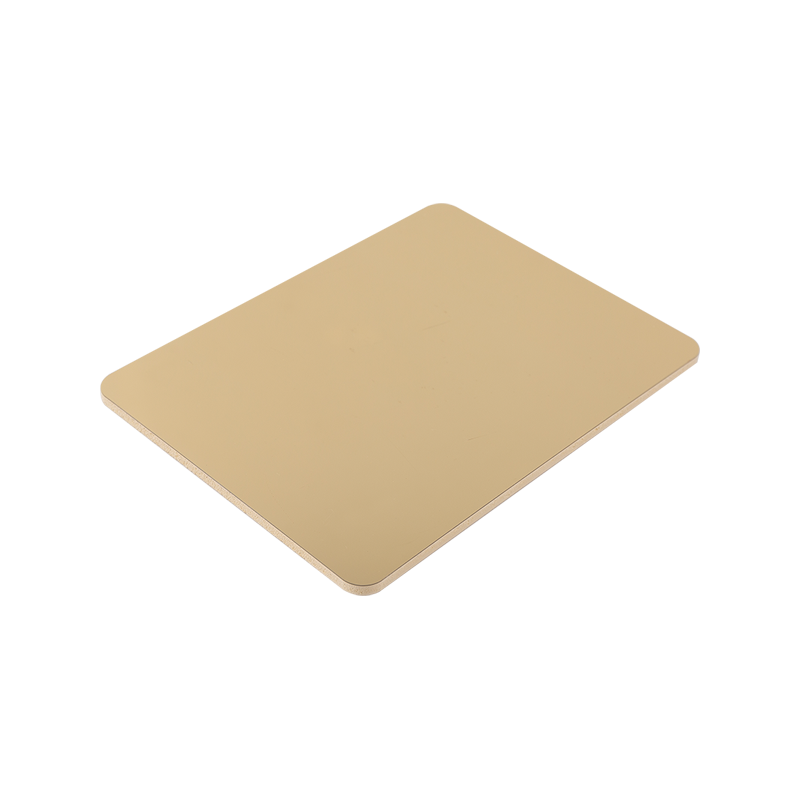
Constructed from a dense, mineral-filled polyvinyl chloride base, solid core sheets offer elite impact resistance. These high-density panels are ideal for high-traffic public areas like hotel elevator lobbies and hospital corridors, where the walls face frequent bumps from luggage carts and service equipment.
Hollow Fluted Acoustic Core
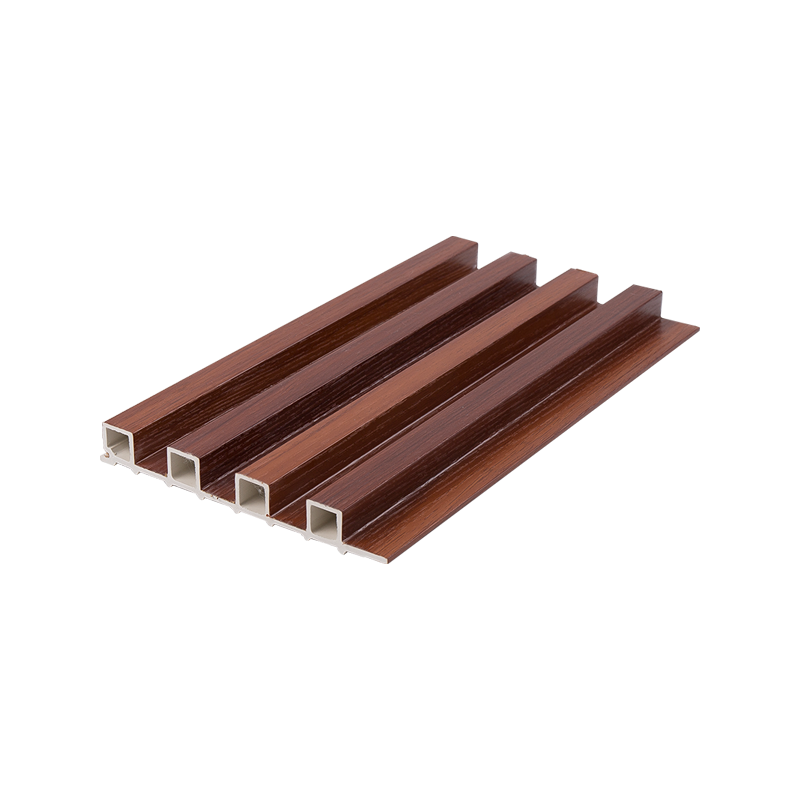
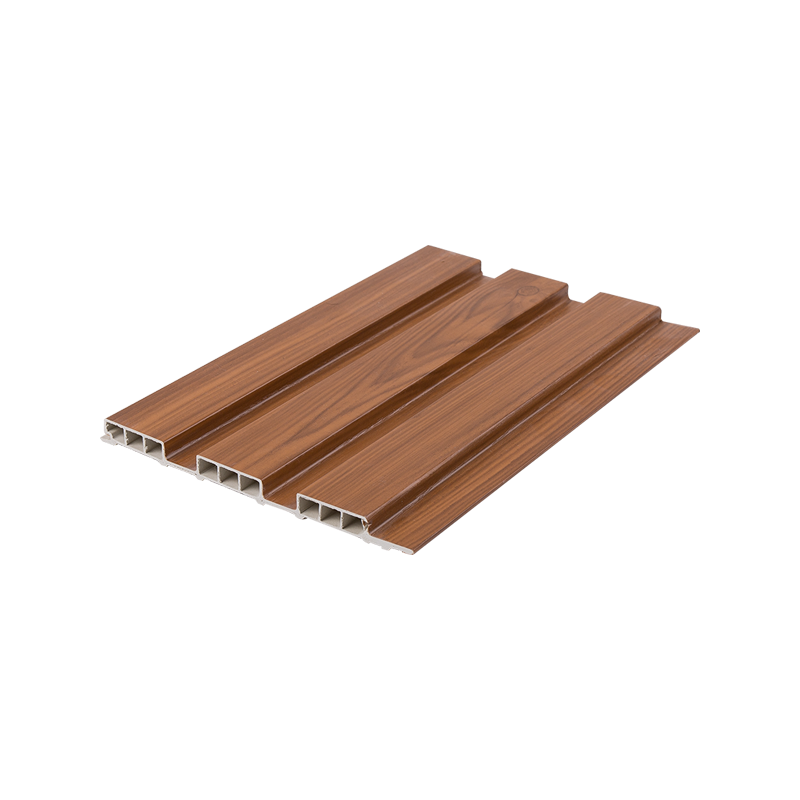
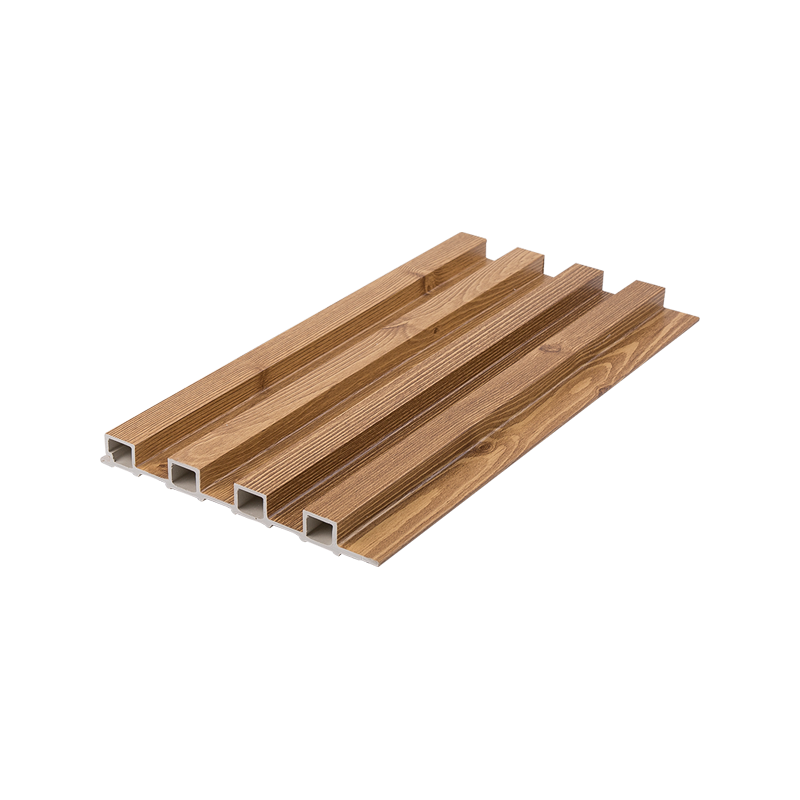
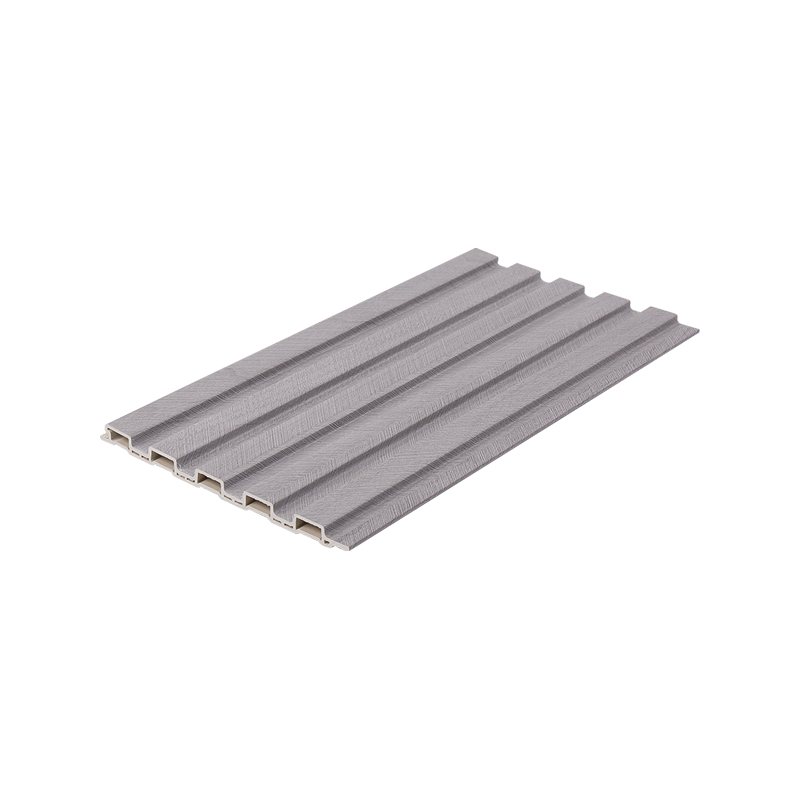
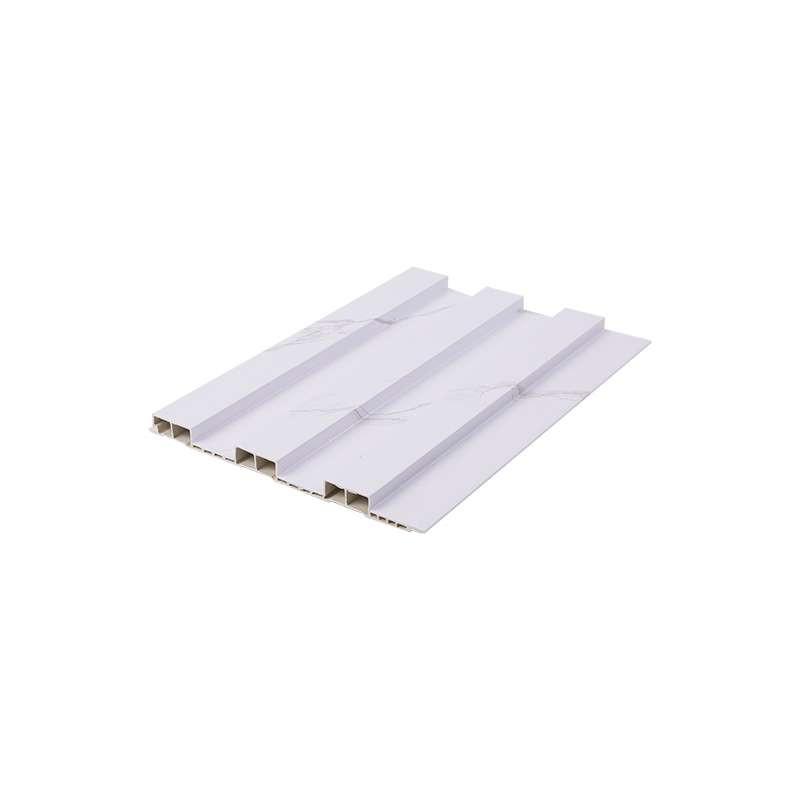
Hollow fluted profiles feature a lightweight grid design that reduces overall shipping weight and raw material costs. The parallel air chambers inside the fluting create a built-in acoustic dampening effect that helps absorb high-frequency echoes, making these panels a popular choice for conference rooms and home theaters.

 Tel:
Tel:
 E-mail:

