


 Español
 中文简体
中文简体 عربى
عربىArticle Directory
- 1 System 1: Mechanical Precision via the WPC Decorative Wall Panel Tongue and Groove System
- 2 System 2: Speed and Concealment with the Technical Advantages of Clip-on WPC Panels
- 3 Technical Metrics for WPC Wall Panel Installation Systems Comparison
- 4 Haining Jiazhimeng Integrated Home Co., Ltd.: Commitment to Installation Solutions
- 5 Frequently Asked Questions (FAQ)
- 5.1 1. Which installation system provides the highest level of aesthetic concealment for a WPC decorative wall panel?
- 5.2 2. How do clip-on panels facilitate **Increasing WPC panel installation efficiency**?
- 5.3 3. What is the main structural advantage of the WPC decorative wall panel tongue and groove system?
- 5.4 4. When conducting a **WPC wall panel installation systems comparison**, which system is better for repair access?</HED
- 5.5 5. What technical feature must the clip-on system incorporate to maintain long-term stability?</HED
For B2B specifiers and professional installers, the choice of installation system for a WPC decorative wall panel is as critical as the panel material itself. The system dictates labor time, long-term panel stability, and the final aesthetic result—specifically, the visibility of fasteners. This technical analysis delves into the mechanical advantages and disadvantages of the two predominant methods used in the industry today, providing a basis for informed procurement decisions.
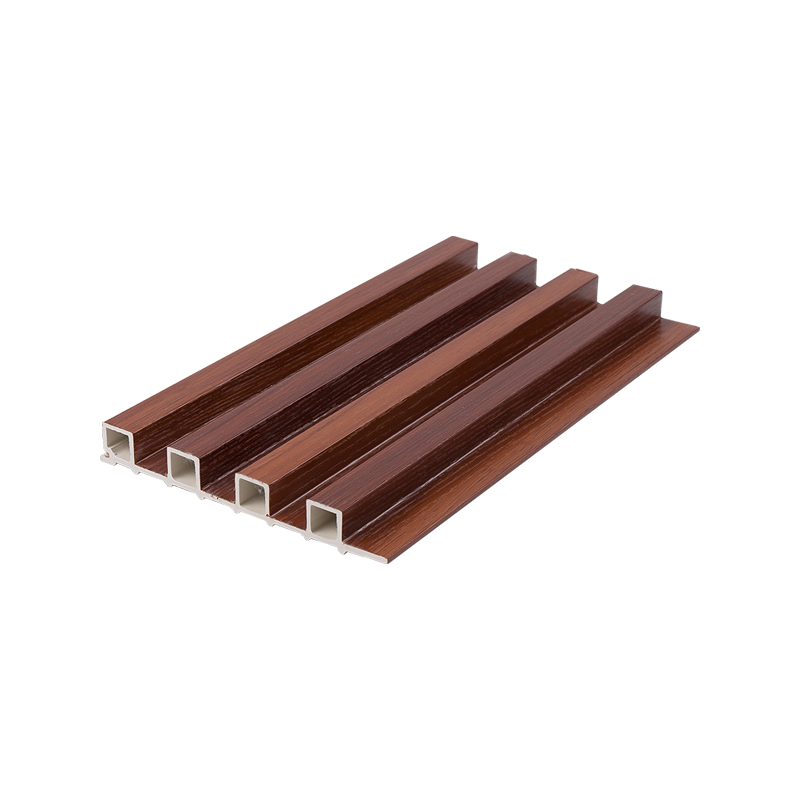
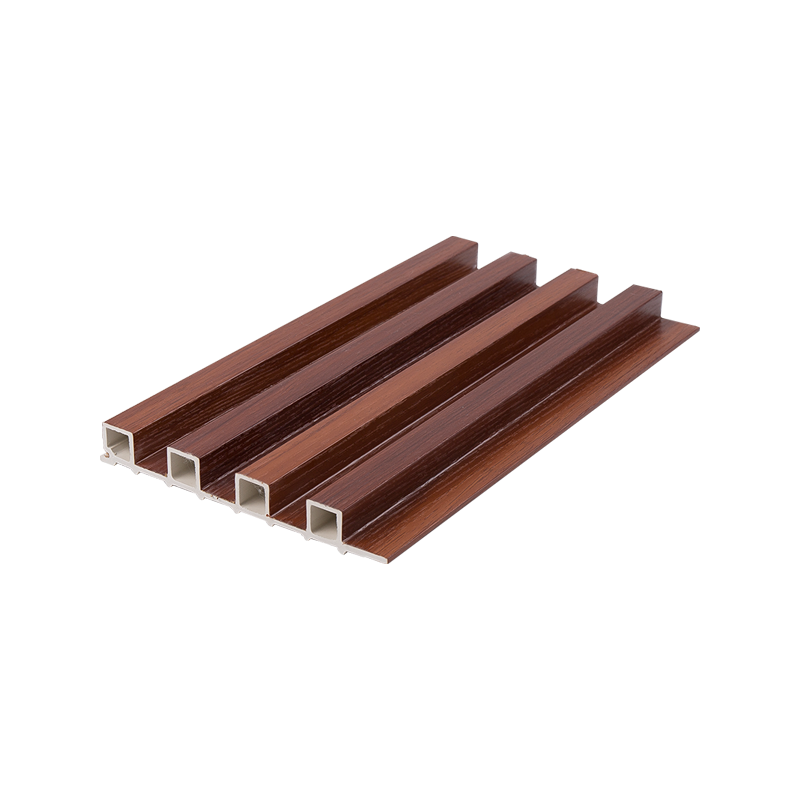
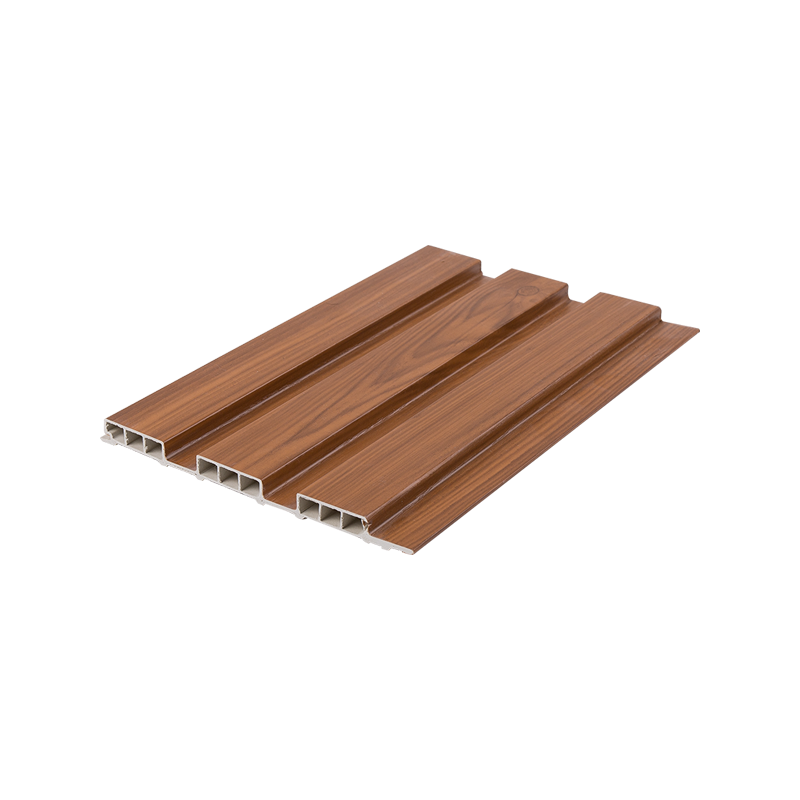
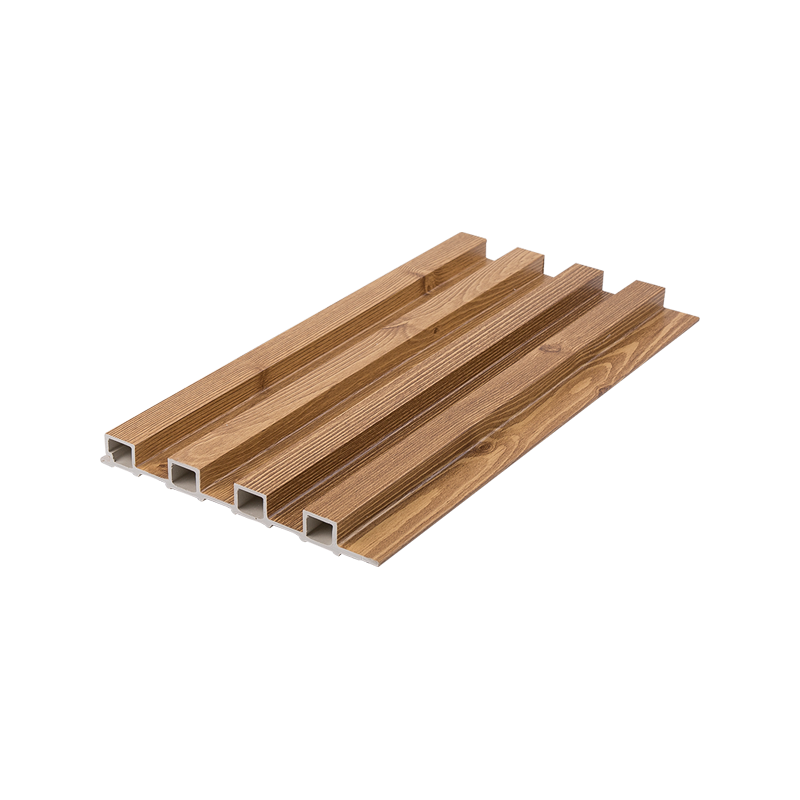
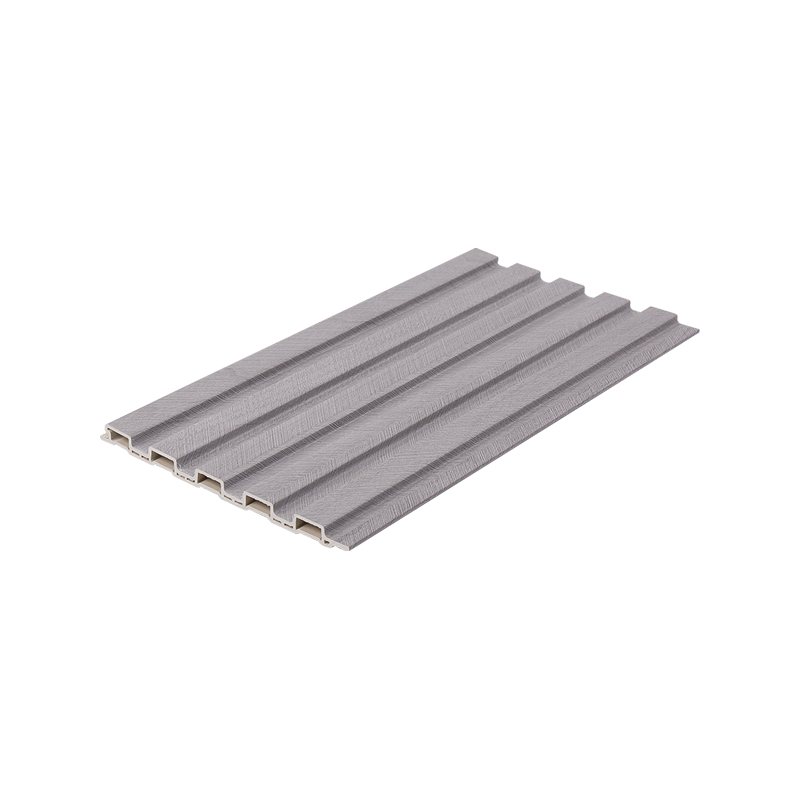
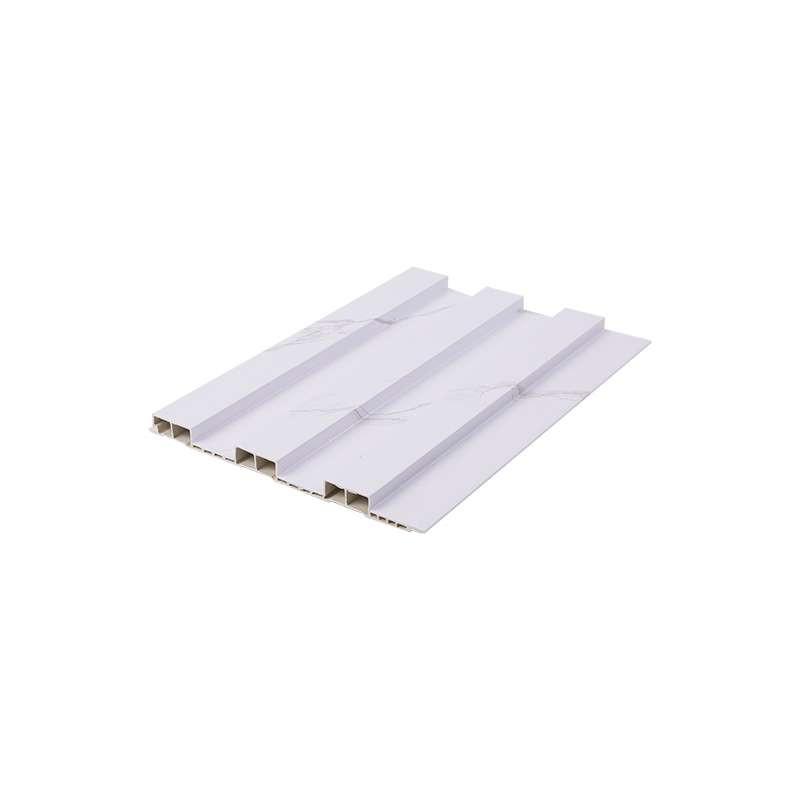
160*22mm WPC Louvers Wall Panel Interior Material
System 1: Mechanical Precision via the WPC Decorative Wall Panel Tongue and Groove System
The **WPC decorative wall panel tongue and groove** (T&G) system is a classic interlocking method that relies on the precise machining of the panel edges to create a secure, self-aligning fit.
Technical Advantages of T&G for Alignment and Rigidity
- **Self-Alignment:** The T&G profile naturally guides the next panel into place, ensuring consistent spacing and a straight run, crucial for large-scale commercial installations.
- **Load Sharing:** Once installed, the interlocked T&G connection allows the panels to share lateral loads, resulting in a structurally rigid wall surface that resists warping or bowing, provided the substrate is flat.
- **Simple Fastening:** Panels are typically nailed or screwed through the tongue area, which is then concealed by the groove of the subsequent panel.
Limitations of T&G for Replacement and Hidden Fastening
The primary technical drawback of the **WPC decorative wall panel tongue and groove** system is maintenance. If a central panel is damaged, adjacent panels must often be partially or fully removed to access the compromised section, making repair time-intensive and costly. While fasteners are concealed, the interlocking structure itself is the defining visual element, not providing a completely seamless look.
System 2: Speed and Concealment with the Technical Advantages of Clip-on WPC Panels
Clip-on systems represent a modern evolution, relying on a specialized clip (usually metal or high-density plastic) that mechanically grips the panel edge and anchors it to the substrate.
The Role of the Clip-on System in Increasing WPC panel installation efficiency
- **Speed of Installation:** The primary advantage lies in the speed. Once the clip is affixed to the wall, the panel simply snaps or slides into place. This dramatically reduces the labor time compared to the repetitive fastening required by the T&G system, significantly **Increasing WPC panel installation efficiency**.
- **Demountability:** Unlike T&G, many clip systems allow for the easy removal and replacement of individual panels without disturbing adjacent pieces, a massive benefit for commercial properties requiring access to underlying wiring or quick repairs.
Analyzing the Hidden fastener system for WPC paneling Performance
The clip-on method is the definitive **Hidden fastener system for WPC paneling**. The clip is completely obscured by the panel's profile, achieving a superior, fastener-free aesthetic. However, the integrity of the connection depends entirely on the design and material strength of the clip itself, which must be engineered to withstand the thermal expansion and contraction cycles of the WPC material.
Installation System Comparison Table
| Feature | Tongue and Groove (T&G) | Clip-on System (Hidden Fastener) |
|---|---|---|
| Installation Speed | Medium (Fastening required on every panel) | High (**Increasing WPC panel installation efficiency**) |
| Aesthetic Concealment | Good (Fasteners hidden, but interlocks visible) | Excellent (True **Hidden fastener system for WPC paneling**) |
| Individual Panel Replacement | Difficult/High Labor | Easy/Low Labor |
| Load Sharing/Rigidity | Very High (Interlocked structure) | High (Reliant on clip strength/number) |
Technical Metrics for WPC Wall Panel Installation Systems Comparison
Speed vs. Finish Quality: The Contractor's Calculation
When conducting a comprehensive **WPC wall panel installation systems comparison**, contractors must weigh the efficiency gains of clip-on systems against the inherent structural rigidity offered by T&G. For perfectly flat, large-scale projects, the speed of clip-on systems often provides the lowest total installed cost. For projects with uneven substrates or high structural demands, the T&G's superior interlocking strength may justify the slightly longer installation time.
Choosing the System for Optimal Long-Term Stability
Regardless of the system chosen, the **WPC decorative wall panel** must be allowed to move. High-quality systems—whether T&G or clip-on—incorporate features to accommodate the slight expansion and contraction of the composite material, preventing warping and stress fractures. This is a critical technical factor in ensuring the wall panel remains straight over years of service.
Haining Jiazhimeng Integrated Home Co., Ltd.: Commitment to Installation Solutions
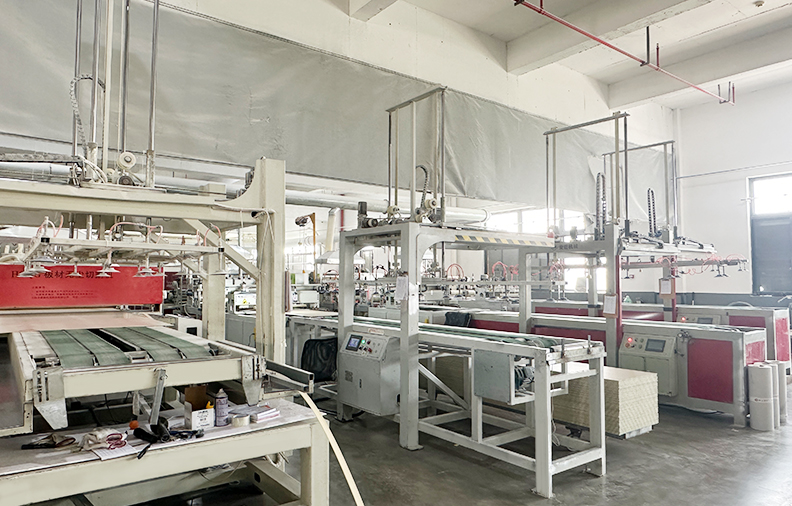
Haining Jiazhimeng Integrated Home Co., Ltd., located in Haining City, Zhejiang, has been immersed in the interior decoration materials field for 17 years, beginning our development of WPC materials in 2013. We are a factory enterprise with independent R&D capability, focusing on WPC wallboard, bamboo wood fiberboard, and other wall products. Recognizing that the success of our **WPC decorative wall panel** relies on ease of use, we not only produce advanced wall products but also strategically partner with manufacturers of supporting products like lines and lamp strips. This commitment ensures we provide comprehensive solutions, including robust **WPC wall panel installation systems comparison** options (T&G and clip-on), to our partners in Southeast Asia, Australia, the Middle East, and South America, delivering convenience, quality, and win-win results.
Frequently Asked Questions (FAQ)
1. Which installation system provides the highest level of aesthetic concealment for a WPC decorative wall panel?
The clip-on system is superior, offering a true **Hidden fastener system for WPC paneling** where no visible mechanical connection is seen, resulting in a cleaner, more contemporary finish than the T&G system.
2. How do clip-on panels facilitate **Increasing WPC panel installation efficiency**?
Clip-on systems allow the installer to pre-fix the clips to the wall and then rapidly snap or slide the panels into place, bypassing the time-consuming, repetitive fastening process required for every single T&G panel.</HODGEP
3. What is the main structural advantage of the WPC decorative wall panel tongue and groove system?
The main structural advantage is the superior lateral rigidity. The continuous interlocking nature of the T&G connection forces the panels to share structural loads, making the finished wall more resistant to bowing.
4. When conducting a **WPC wall panel installation systems comparison**, which system is better for repair access?</HED
The clip-on system is better for repair access. Many clip designs allow a damaged central panel to be removed with specialized tools without the extensive process of dismantling adjacent panels, which is typically required with the T&G system.
5. What technical feature must the clip-on system incorporate to maintain long-term stability?</HED
The clip-on system must be engineered to allow for slight material movement. The clip design must accommodate the natural thermal expansion and contraction of the WPC paneling without compromising the grip strength, upholding the **Technical advantages of clip-on WPC panels**.


 Tel:
Tel:
 E-mail:

